Bristol honoured in national teaching awards
The University of Bristol is delighted to confirm it has received two honours in this year’s prestigious National Teaching Excellence Awards 2026.
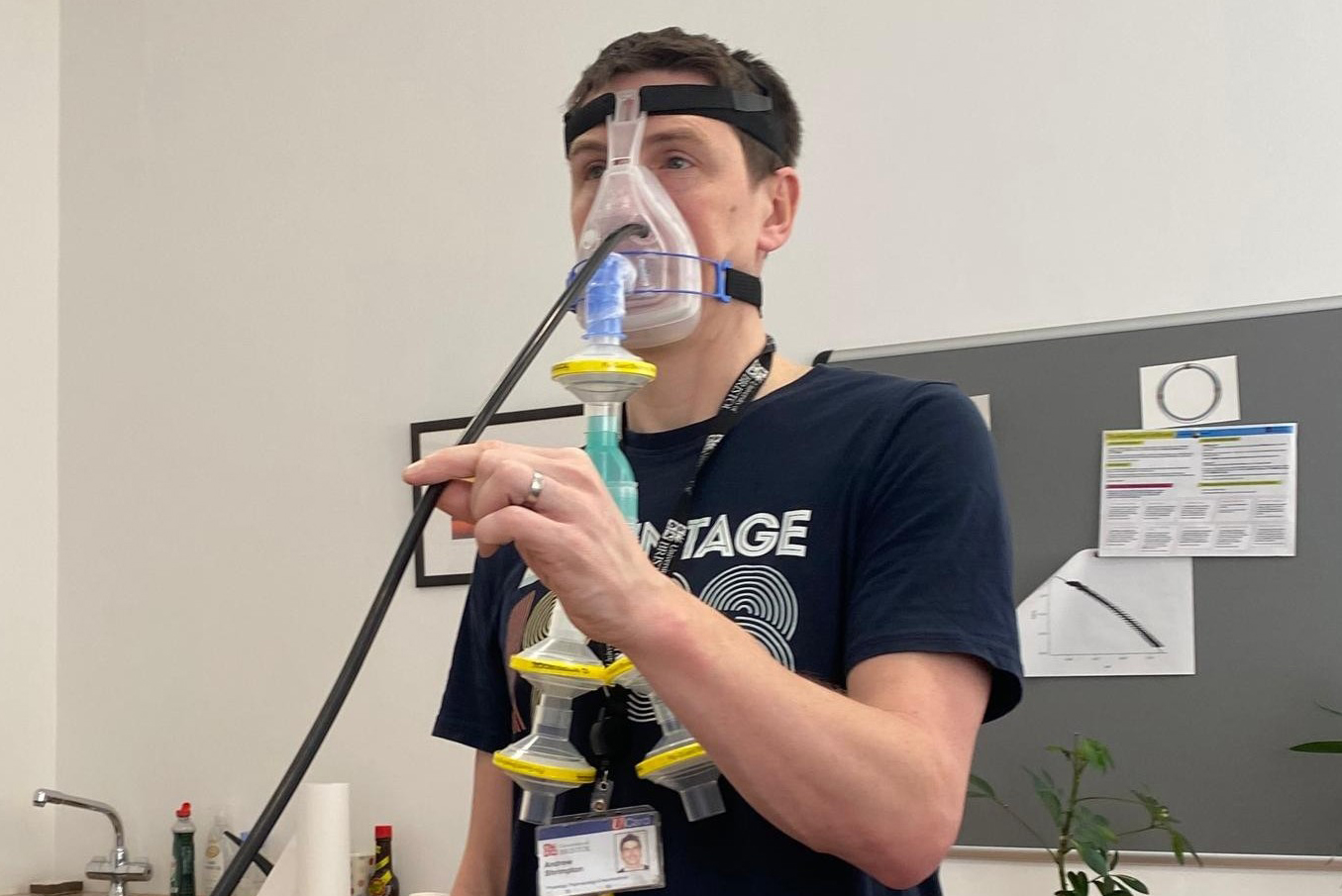
Portable air filters made no difference to rates of respiratory and other infections in older people’s care homes, a University of Bristol-led trial, published in JAMA Internal Medicine today [27 July] has found. The study’s authors advise care homes to continue with standard infection control measures, including vaccines.
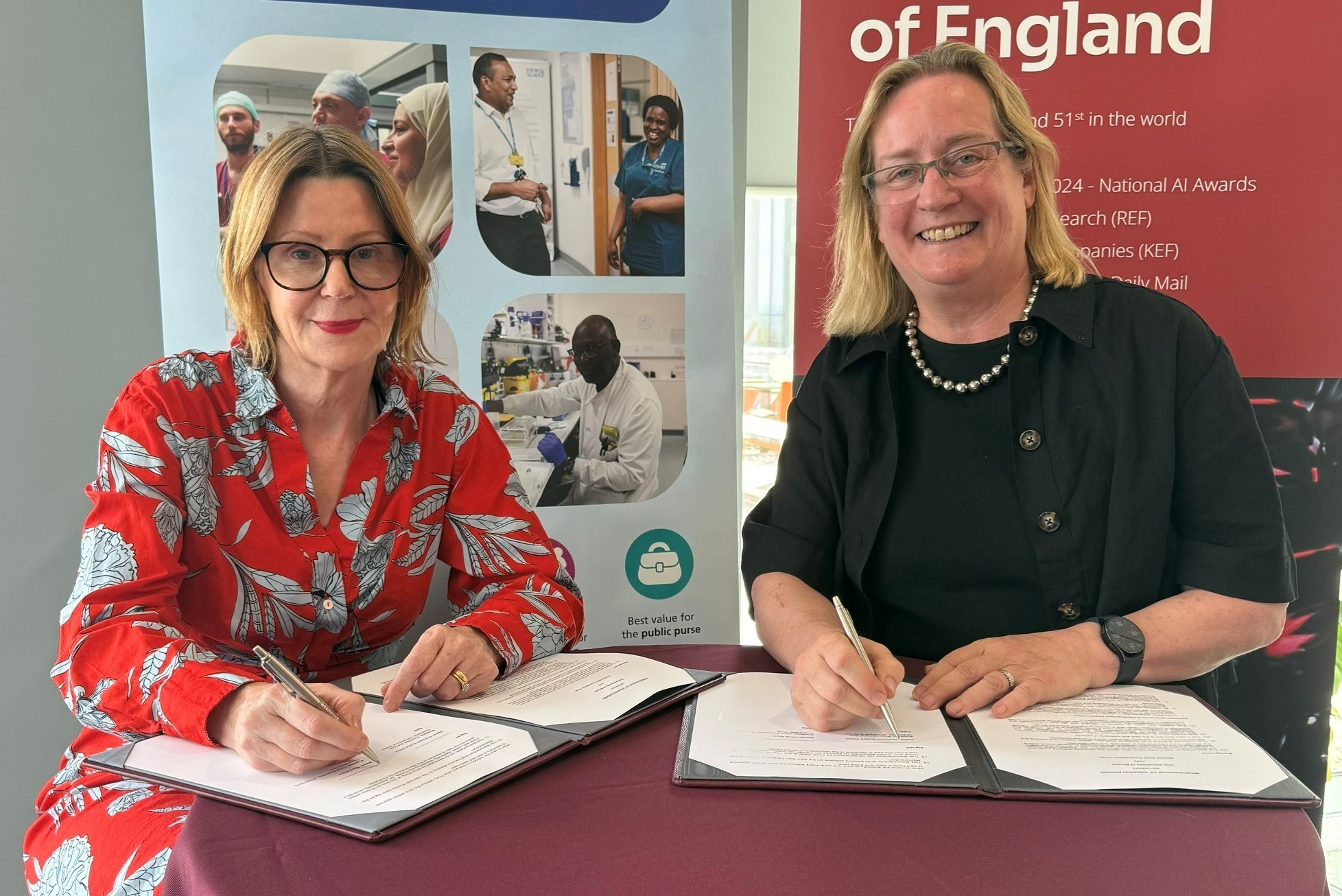
Patient care across the region will receive a major boost thanks to a new partnership between the University of Bristol and Bristol NHS Foundation Trust (BFT).
People who feel lonely are much more likely to experience poorer mental health and lower wellbeing, a new collaborative study led by the University of Bristol, Nesta and Amsterdam UMC has found. Loneliness was also found to be linked with worse general health, including experiencing multiple health conditions. Social isolation is associated with lower wellbeing, too.
A newly qualified dentist is leaving a lasting legacy for students and staff at the University of Bristol’s Dental School after she graduated yesterday.
When Mel de Lange graduated with a PhD in Epidemiology from the University of Bristol today (Wednesday 8 July), it marked the culmination of a remarkable journey that began with a life-changing family diagnosis and led to a career dedicated to improving cancer outcomes through research.
Patients, carers, health professionals and researchers have come together to identify the top 10 priorities for childhood food allergy research in the UK. The priorities will be used to shape future research in line with what matters most to children and young people and those who care for them.
Routine HIV testing in emergency departments is a cost-effective way to identify people unaware of their HIV status, improve health outcomes and prevent future infections, a major study led by researchers at the University of Bristol has found. The findings, published in The Lancet HIV today [25 June], provide strong evidence to support the continuation of England's emergency department opt-out blood-borne virus testing programme.
How sperm whale vocal dialects evolve as they adopt new calls while still remembering the old, has been shown in new research by an international team of researchers, led by the University of St Andrews and including the University of Bristol.
Are you living with type 1 diabetes and have experienced diabetes burnout? If so, researchers from the universities of Bristol and Cardiff Metropolitan want to hear from you for a study to learn more about diabetes burnout from people living with type 1 diabetes.
The link between parents’ body mass index (BMI) and their children’s BMI in childhood is driven largely by genetic inheritance, rather than by any direct biological effects of parental weight during pregnancy, a new study suggests. The collaborative international study by the universities of Bristol and Queensland and the Norwegian Institute of Public Health is published in PLOS Medicine today [23 June].
A moss gene previously thought to have been inactive actually plays a key role in their evolutionary success, researchers from the University of Bristol have discovered.
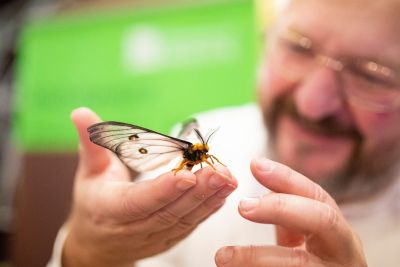
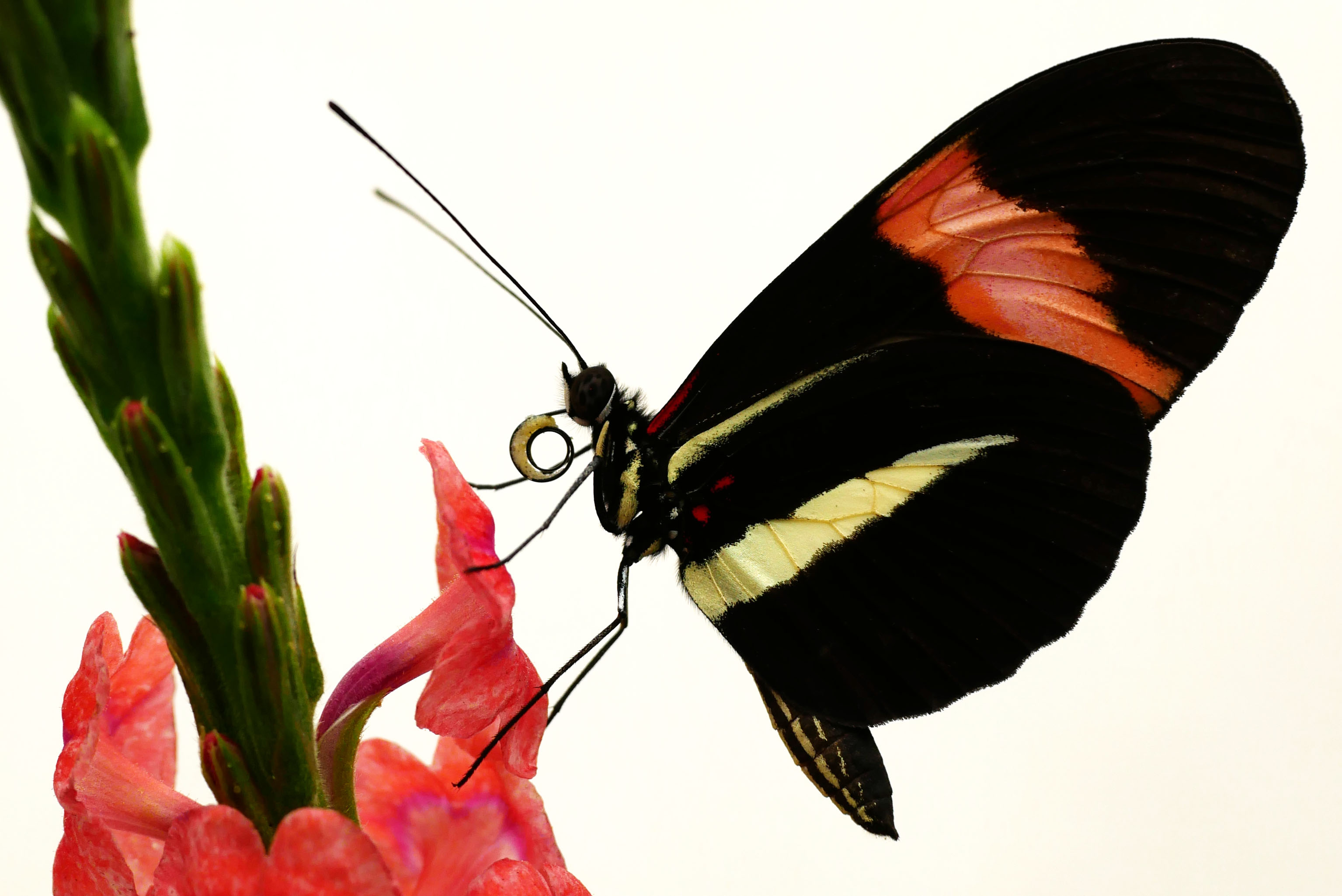
A tropical butterfly has evolved an ingenious anti-ageing strategy by delaying the ageing process enabling it to live far longer than its closest relatives, according to a new University of Bristol-led study published in Nature Communications today [16 June].
Four University of Bristol researchers have been recognised in this year’s King’s Birthday Honours. The honours celebrate the outstanding contributions of a materials engineer, an epidemiologist, a genomics scientist and an ophthalmology researcher, highlighting the range of expertise and impact across the University’s research community.
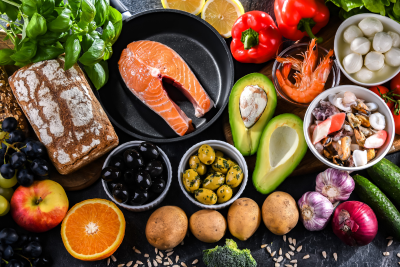
Swapping a beef steak for salmon once a week could save the amount of carbon needed to fly from London Heathrow to Morocco, according to new research by the universities of Bristol and Southampton.
A father's diet before conception may help shape how the placenta develops and how a fetus grows, according to a new animal model study published in eLife.
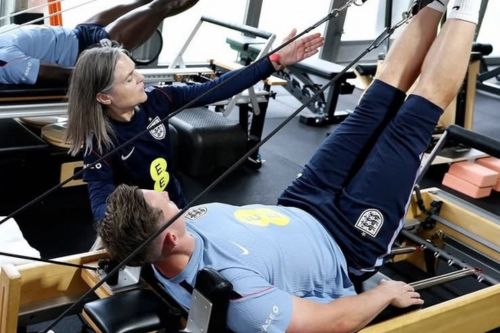
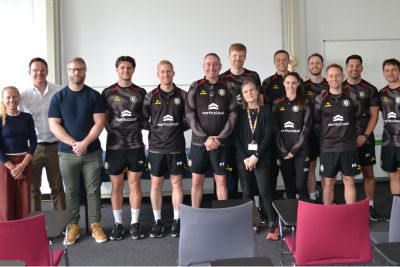
The University of Bristol recently welcomed members of Bristol City’s medical team for a specialist visit focused on human anatomy, injury prevention, treatment and rehabilitation in professional football.
More than a quarter of women buying menstrual products also purchase pain relief at the same time, and those in lower-income areas are significantly less likely to do so, according to new University of Bristol-led research.
An innovative training initiative to improve UK health workers’ vaccine conversations is proving so successful a University of Bristol-led spinout has been created to continue the important work.
Professor Jonathan Sterne has been appointed as the new Chief Scientist of Health Data Research UK (HDR UK), taking up this role from June 2026.
A leading researcher working on the prevention and early detection of common cancers has been elected as a Fellow of the Academy of Medical Sciences.
Immunotherapy could be a promising new treatment option for patients with difficult-to-treat depression. This is a key finding from a University of Bristol-led pilot randomised controlled clinical trial, published in JAMA Psychiatry today [20 May].
A rapid microbiological point-of-care test designed to help GPs identify whether a respiratory infection is caused by a virus did not lead to an expected overall reduction in same-day antibiotic prescribing, a University of Bristol-led study has found.
University of Bristol academic and Professor of Genetic Epidemiology, Nic Timpson, has been appointed co-chair of The Nature Medicine Commission on Obesity Management. Launched today [12 May], the Commission will bring together global experts and datasets to tackle the growing burden of obesity-related noncommunicable diseases through data-driven decision support.
Providing access to specialist NHS weight loss clinics that support children and young people living with complications from severe obesity, can enable better outcomes for weight loss, research, involving the University of Bristol, has found.
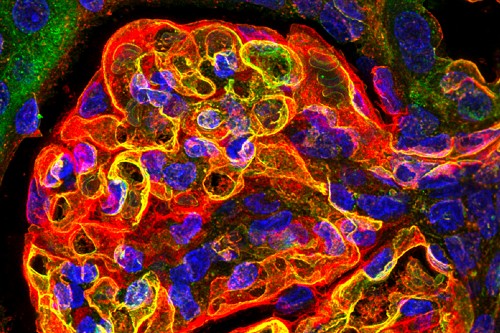
A new way to detect the onset of heart and kidney disease far earlier than previously possible has been discovered by University of Bristol scientists. The breakthrough, published today [12 May] in Nature Communications, reveals a novel method for identifying damage to the lining of microscopic blood vessels, transforming our ability to detect disease at its very earliest stages, before it progresses and becomes potentially life threatening.
Exposure to one of the most toxic forms of mercury (methylmercury) may also disrupt the body’s metabolic health, according to the findings of a new international study. The research, involving University of Bristol scientists and published in Chemical Research in Toxicology, found the element may have wider health effects than previously known.
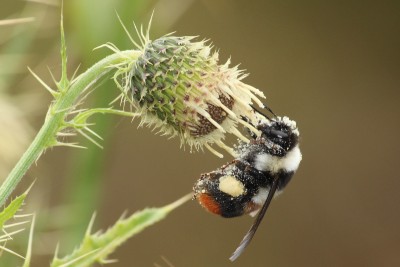
Biodiversity loss is directly threatening human health and welfare, according to new research led by the University of Bristol. The study, published in Nature today [6 May] reveals, for the first time, how the decline of insect pollinators undermines essential ecosystem services that support human nutrition and livelihoods. Biodiversity also plays a vital role in supporting people’s everyday health and resilience, too.
It is well known that biological invasions can be severely harmful to native biodiversity – preventing the damage they cause is a global conservation priority. A new study by the University of Bristol has highlighted a different type of impact that they cause – the often-overlooked animal welfare consequences of biological invasions. The research, published in Nature Communications today [5 May], reveals that invasive species can cause significant suffering to both native and introduced animals worldwide.
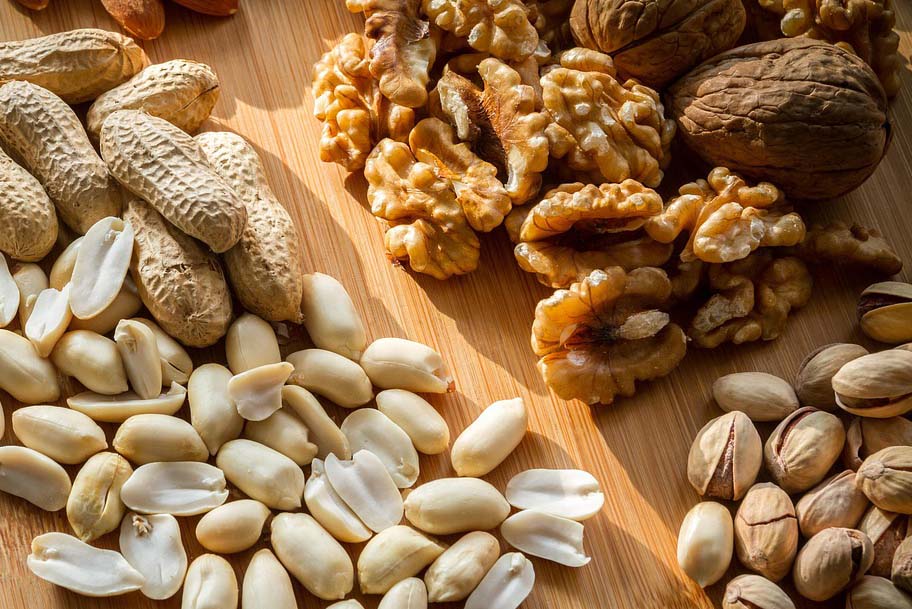
Fatal delays in administering life-saving adrenaline autoinjector (EpiPen) for food anaphylaxis, a severe and rapid allergic reaction, is highlighted in research being presented at the Royal College of Emergency Medicine Conference today [28 April]. Researchers are urging for updated guidelines on the use of adrenaline treatment such as EpiPens and the hospital management of severe food anaphylaxis.
At least two school-aged children die each month from knife injuries in England, with most fatalities resulting from a single stab wound, according to the first national analysis of its kind. The University of Bristol-led research offers critical insights that could help inform future prevention strategies.
Extending vaccination opportunities, involving community members alongside healthcare professionals in communicating about vaccines, and providing financial incentives are among the most effective ways to increase vaccine uptake, an analysis of international trial evidence led by the University of Bristol has found. The research, funded by the National Institute for Health and Care Research (NIHR), is published in The BMJ today [15 April].
Dr Les Strong, a lecturer and senior lecturer in Insect Biology at the University of Bristol from 1966 to 1999, passed away on 15 January. His former research collaborator, Professor Richard Wall, shares his recollections.
New research has discovered that the molecular machines responsible for copying our DNA have a surprising hidden talent – an ability to create entirely new and highly sophisticated DNA sequences from scratch.
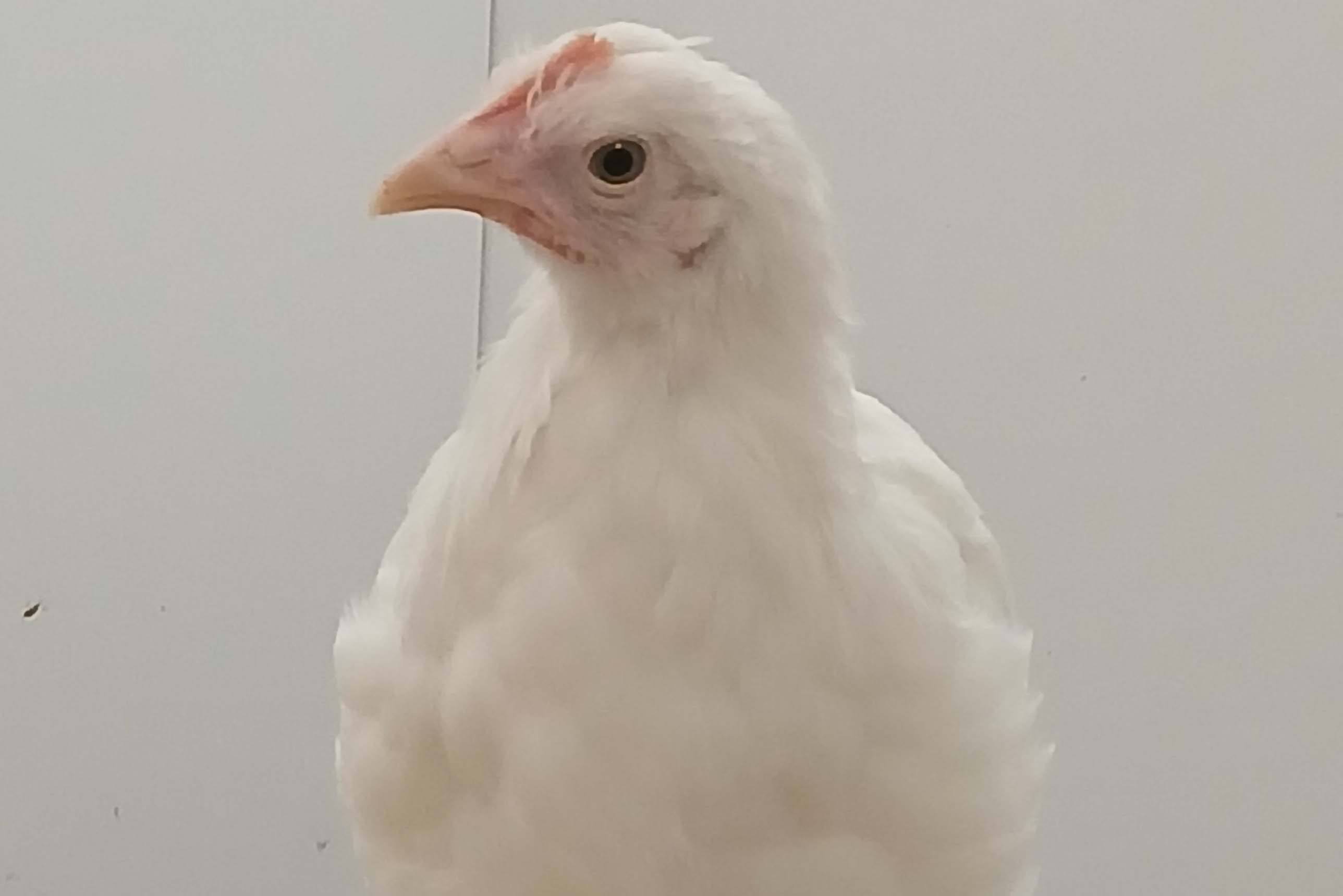
Chicks, just like pets, also benefit from gentle human touch, new research has revealed. Scientists at the University of Bristol have discovered that gentle human interactions do not only prevent fear in baby chicks but also triggers positive emotions. The findings offer new insights into how early-life handling affects the welfare of young farm animals.
Researchers have identified and described a previously unknown recessive neurodevelopmental disorder (NDD) that appears to be the most prevalent ever discovered. The study, involving University of Bristol researchers and published in Nature Genetics today [30 March], provides long-awaited answers for many families and may inform future drug development.
A stark rise in the number of stray dogs being euthanised across the UK and the Republic of Ireland, with rates more than tripling over a three-year period, are revealed in a new collaborative study. The research is published in the MDPI (Multidisciplinary Digital Publishing Institute) journal Animals.
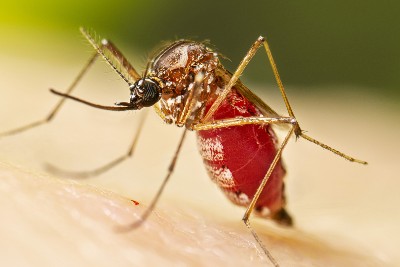
Dengue, a mosquito-borne viral disease, infects an estimated 390 million people and causes around 20,000 deaths worldwide each year. New research suggests the skin is a major site of immune surveillance for dengue. The findings could help in the development of more effective dengue vaccines.
Research has confirmed for the first time that people with active gambling accounts who receive regular ‘free bets’ and other direct marketing offers place a lot more bets, spend far more, and suffer greater related harms than gamblers who have opted out of such offers.
The NHS is this month celebrating 40 years of what went on to become the NHS Blood and Transplant (NHSBT) eye bank, with a special appeal from the bank’s longest serving staff member, who is encouraging more people to consider cornea donation as he awaits a fourth cornea transplant himself.
The disposable vapes ban in the UK could lead to young adults switching to alternative products, including cigarettes, new research led by the University of Bristol has found.
Professor Timothy Draycott MD, BSc, MBBS, FRCOG passed away in November 2025. His colleagues offer a remembrance.
The University of Bristol is one of nine UK universities included in a new £50 million 'Inequalities Challenge Consortium' launched by the National Institute for Health and Care Research (NIHR) to support research into addressing inequalities in cardiovascular disease (CVD) which accounts for 26% of all deaths in the UK.
Weight-loss (GLP-1 mimicking) drugs may help prevent further tissue damage following a heart attack, significantly reducing the risk of further life-threatening complications that affect up to half of all patients, according to a new study led by the University of Bristol and University College London (UCL).
The University of Bristol has today announced the stellar lineup of recipients of its Alumni Awards for 2026.
A new global analysis of two antenatal treatments that reduce the risk of cerebral palsy and respiratory complications in premature babies reveals significant international variation in implementation. The University of Bristol-led study, published in the International Journal of Obstetrics & Gynaecology today [25 February], examined neonatal data from over 300,000 premature births across ten countries.
Africa’s largest monkey, the mandrill, Mandrillus sphinx, is being forced out of its home within a national park due to hunting pressure, new research has revealed.
A new study has modelled how genes can influence a child’s body mass index (BMI) over time and how they may contribute to the risk of developing diseases, such as heart disease or type 2 diabetes, later in life.
Booster vaccines reduced the risk of COVID 19–related hospitalisation and death, according to a new study of over 3 million adults who had the autumn 2022 vaccine in England. The research led by the universities of Bristol and Oxford, provides further evidence of the effectiveness of booster vaccination against COVID-19.
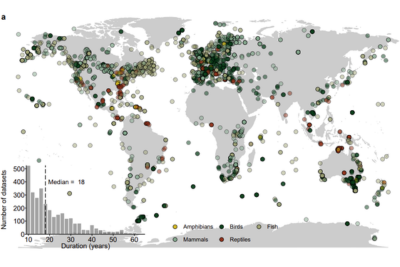
Efforts to stop declines in vertebrate wildlife populations should aim to address multiple threats simultaneously, rather than focusing on pressures one by one, a new study led by the University of Bristol has found.
High body mass index (BMI) could cause a higher risk of vascular-related dementia (a combination of vascular and unspecified dementia), according to new research from the University of Bristol and University Hospital of Copenhagen (Rigshospitalet and Herlev-Gentofte Hospital). The researchers found that the effect of high BMI on dementia mainly works through high blood pressure.
Can sleep affect the progression of Alzheimer’s disease? That’s what a study led by the University of Bristol will explore, thanks to a £4.3 million grant by the Medical Research Council (MRC).
If you pledged to follow an unprocessed food diet as a New Year’s resolution, research shows you’ll naturally choose to eat a lot more fruit and veggies than higher calorie wholefood options – like rice, meat and butter – which could help with losing weight.
From nappy changes to nursing care, exposure to unpleasant substances is a daily reality for millions of people but how does the brain adapt? New research from neuroscientists at the University of Bristol reveals that repeated, long-term exposure to bodily waste significantly reduces parents’ disgust responses, with effects that persist over time.
Helping women to keep their blood pressure at normal levels could reduce their risk of experiencing pregnancy complications, according to a new study led by researchers at the University of Bristol. The research is published in BMC Medicine today [14 January].
The prospect of long-lasting drug-free remission for children and adults living with inflammatory arthritis is a step closer to becoming a reality, thanks to a new collaboration between world-leading researchers, including the University of Bristol.
Changing the consumption-driven nature of our food systems would significantly benefit public health and the climate, say the authors of a major scientific review linking environmental harms with obesity.
A pre-school diet and physical activity programme does not improve children’s calorie intake or overall physical activity levels in nursery settings, a new University of Bristol-led study has found. The research published in The Lancet Regional Health - Europe today [18 December] highlights the need for policy-led rather than intervention-led approaches to improving young children’s health.
The week after the autumn clock change is associated with a reduction in demand for NHS services for sleep disorders, cardiovascular disease, anxiety, depression, and psychiatric conditions in England, research led by the University of Bristol has found. The study is published in the Christmas issue of The BMJ today [17 December].
A University of Bristol professor has won a prestigious national award for outstanding support and mentorship in science.
At any one time, nearly 1 in 5 emergency department patients in the UK is being cared for in corridors, waiting rooms, and other non-standard ‘overflow’ spaces—an approach known as escalation area care—suggest the results of a large observational study. The research, led by the universities of Bristol and Edinburgh, North Bristol NHS Trust and NHS Lothian, is published online in Emergency Medicine Journal.
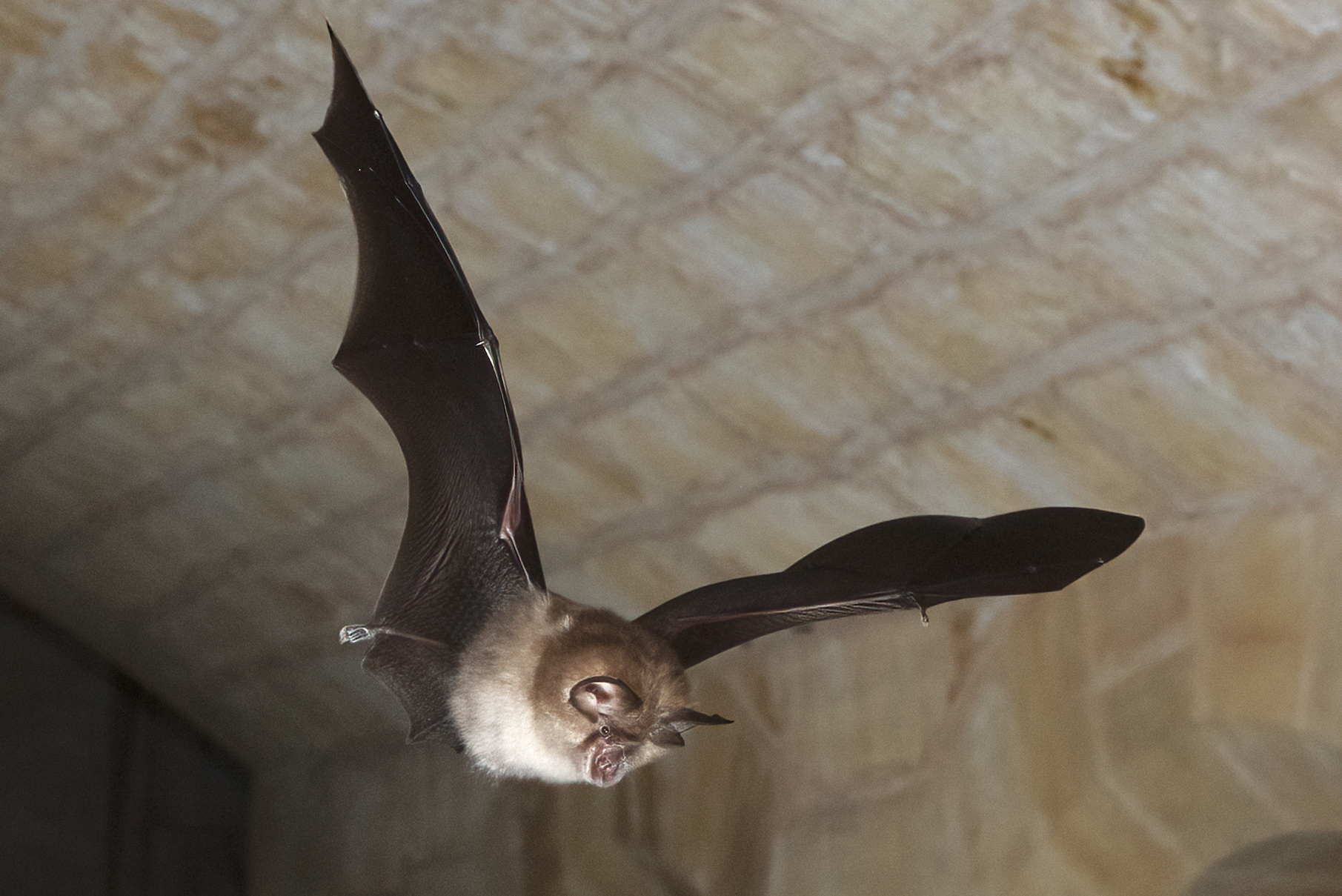
Is it better to have children early or later in life, and does parenthood accelerate ageing? Researchers at the University of Bristol and University College Dublin have tackled these questions by studying an exceptional population of long-lived Greater horseshoe bats.
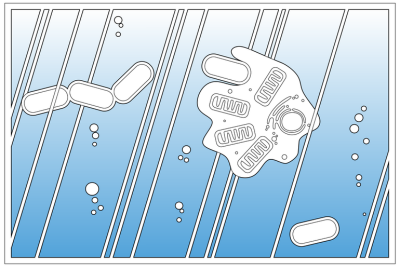
Complex life began to develop earlier, and over a longer span of time, than previously believed, a groundbreaking new study has revealed. The research sheds new light on the conditions needed for early organisms to evolve and challenges several long-standing scientific theories in this area.
Inequities in how bereavement is experienced and supported among people of Black British and Black Caribbean heritage in England has been revealed in a new study led by the University of Bristol. The research, published in Death Studies today [2 December], calls for widespread changes to improve bereavement experiences and access to support for Black British and Black Caribbean communities.
Thousands of NHS knee replacement operations are cancelled at short notice every year, many for avoidable reasons, according to a new study published today [1 December]. This costs the NHS millions of pounds and increases waiting times for patients, many of whom are in severe pain.
Fewer than 1 in 4 children aged 2 to 4 meet the recommended daily physical activity levels, a new study has found. Additionally, while children are much more active on days when they attend early years settings, most preschoolers are not meeting the recommended activity levels within early years settings or at home.
Twenty-four University of Bristol academics have been named on the 2025 Clarivate Highly Cited Researchers list.
One of the most influential figures in modern epidemiology, Professor George Davey Smith from the University of Bristol, has been awarded the UKRI Medical Research Council’s prestigious personal award for his exceptional contributions to improving human health through world-class medical research.
The latest national data on child deaths in England show that while overall deaths have slightly decreased, stark inequalities remain by region, ethnicity and deprivation level. The National Child Mortality Database (NCMD) at the University of Bristol, has released its annual Child Death Review Data Release for the year ending 31 March 2025.
Driven by personal loss, University of Bristol neuropathologist Professor Kathreena Kurian, who lost her husband Gerard to a brain tumour, is leading a national campaign to end postcode inequalities in brain tumour care — starting where it matters most: in the operating theatre.
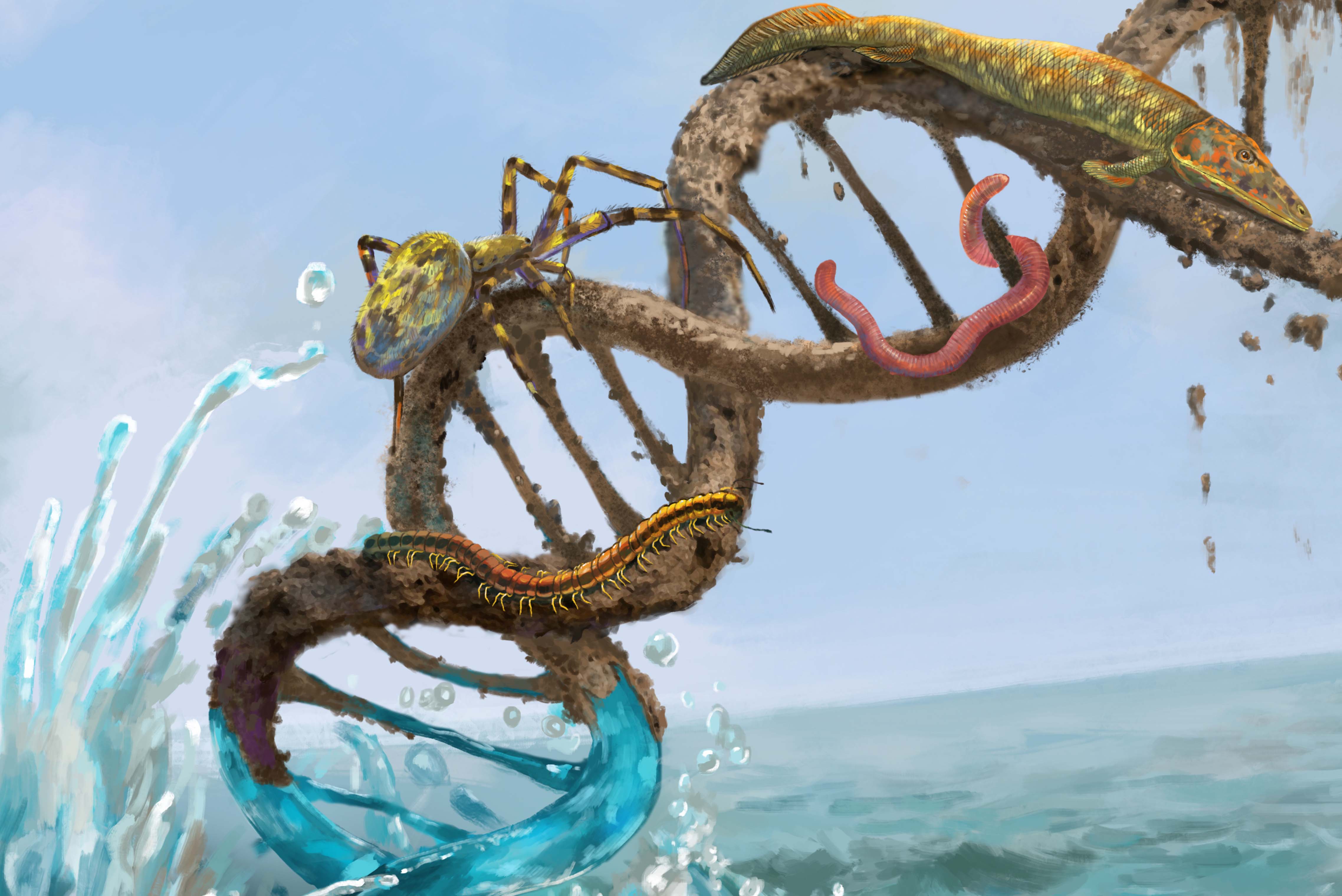
Animals from completely different branches of the tree of life such as insects, worms and vertebrates independently evolved similar genetic solutions to survive on land, according to a new study from researchers at the University of Bristol and University of Barcelona.
A team of University of Bristol experts are poised to join the 30th United Nations Conference of the Parties, better known as COP30, which starts this week in Brazil and will push forward global climate solutions.
A groundbreaking trial to explore the potential of blood tests to diagnose dementia has begun at North Bristol NHS Trust, in collaboration with the University of Bristol. The research study marks a significant step toward improving the UK’s dementia diagnosis rate.
Current NHS policies designed to improve care for people taking multiple medicines may not be effective, according to new research led by the universities of Bristol and Exeter.
Climate change is threatening tea plantations. A PhD student at the University of Bristol is fighting back using tea leaves picked from the hills of Sri Lanka 200 years ago. These leaves could save the cup of tea as we know it from extinction.
Ants make a series of clever architectural adjustments to their nests to prevent the spread of disease, University of Bristol research has uncovered.
Winners of a student startup funding competition went on to raise an average of £40 for every £1 they were awarded. That’s according to new figures released today by the University of Bristol, which show the vital – but often underappreciated – ways that students can innovate ideas into booming businesses with relatively small grants.
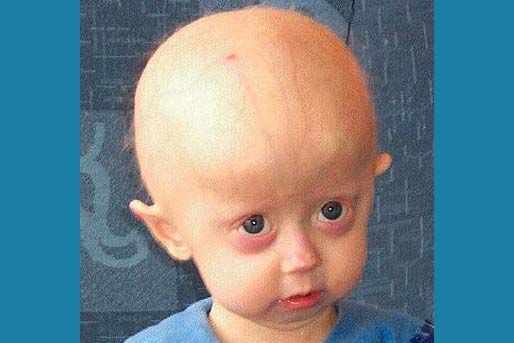
A new breakthrough in a rare genetic disease which causes children to age rapidly has been discovered using ‘longevity genes’ found in people who live exceptionally long lives - over 100 years old. The research, by the University of Bristol and IRCCS MultiMedica, found these genes which helps keep the heart and blood vessels healthy during ageing could reverse the damage caused by this life-limiting disease.
An innovative new pill could soon offer a new and affordable weight management treatment, following a successful clinical trial involving University of Bristol researchers and supported by the National Institute for Health and Care Research (NIHR). The results are published in Obesity today [15 October].
An online guide to support people affected by vulval lichen sclerosus (LS) has won a national award. Since its launch earlier this year, the guide has been viewed by over 23,000 people in more than 50 countries.
A new gene therapy approach aimed at protecting people with type 1 diabetes from developing diabetic kidney disease — a serious and common complication of the condition, has shown promising results in a University of Bristol study.
Growth charts for children with rare genetic disorders - giving healthcare professionals and families clearer guidance on how a child is developing - have been created by an international team, led by the University of Bristol.
Low cholesterol can reduce the risk of dementia, a new University of Bristol-led study with more than a million participants has shown.
University of Bristol biotech spin-out company Cirrus Therapeutics has today [2 October] announced the close of an £8 million seed financing to advance its pipeline of gene and cell therapies aimed at improving the quality of life for patients with chronic blinding diseases.
How fat is distributed in people’s bodies could make a difference to their risk of certain cancers, according to new research led by the University of Bristol. The international study is published in the Journal of the National Cancer Institute (JNCI) today [24 September].
New research has shown hospital patients could reduce the carbon footprint and saturated fat content of their selected meals by up to almost a third – if the weekly menu featuring the same dishes is cleverly reorganised.
Mental health problems can have a significant impact on people’s lives, with most emerging before the age of 25. Working in partnership with local organisations to enhance and complement existing mental health services, a new Mental Health Research Group (MHRG) has launched today [15 September].
Five University of Bristol early-career researchers have been awarded prestigious European Research Council (ERC) Starting Grants totalling €10 million to pursue their pioneering research.
More child deaths occur in winter months compared with the rest of the year, new findings by the University of Bristol-led National Child Mortality Database (NCMD) have shown. The findings are published today [10 September]. NCMD records all child deaths in England before their 18th birthday.
A simple brainwave test has been shown to detect signs of memory impairment linked to Alzheimer’s disease years before clinical diagnosis is typically possible.
Researchers studying how hypertension increases the risk of heart attacks and strokes have discovered a remarkable way in which the body adapts to hypertension by developing a set of “new senses”.
The next generation of an artificial heart valve made from a new plastic material could be a step closer to bedside. The research, led by the Universities of Bristol and Cambridge, demonstrated that the polymer material used to make the new artificial heart valve is safe following implant in an animal model for six months.
With GCSE results released this week, and their potential significance, are there any factors that could affect how well students perform? A new study published today [19 August] has found that heavy periods and period pain in teenage girls are linked to lower GCSE grades and more time off school.
Forty-four per cent of deaths of children under 11 years of age involved in falls from windows or balconies in England occurred among children living in the country’s most deprived areas, a new report has found.
Are you interested in working with animals? Animal lovers in Withywood, Hartcliffe and surrounding areas looking for information about career and training options in the animal care and veterinary industry are invited to a FREE community event this week.
Pioneering research has uncovered a cunning way to curry favour with diners’ food choices, so they’re more likely to select meals which have a much lower carbon footprint and reduced fat content.
Could detecting static electricity be a factor in explaining why treehopper insects have evolved such bizarre body shapes?
A new study, coinciding with World Hepatitis day, has estimated for the first time the number of children born globally with hepatitis C virus.
Remarkable fossils found in North Greenland have helped researchers solve a 500-million-year-old puzzle surrounding squid-like ancestors.
A new genetic analysis using data from over five million people has provided a clearer understanding of the risk of going on to live with obesity. New research led by the Universities of Copenhagen and Bristol shows analysing genes at a young age may support early strategies to prevent obesity developing later in life.
Top researchers have united with Team GB hockey player and sports inclusivity trailblazer Tess Howard MBE on a mission to help teenage girls feel more comfortable in their school PE uniforms – and own bodies – in a bid to boost self-confidence and sports participation.
A student who suffered a serious spinal cord injury, leaving him with chronic pain that threatened not just his career but his daily life and passion for sports, has graduated from the University of Bristol with a first-class master’s degree in Biological Sciences.
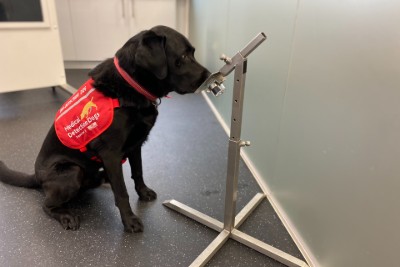
People with Parkinson’s disease (PD) have an odour that can be reliably detected from skin swabs by trained dogs, a new study shows. The research, in collaboration with Medical Detection Dogs and the Universities of Bristol and Manchester, is published in The Journal of Parkinson’s Disease today [15 July].
New research shows the majority of child deaths in England were among children with life-limiting conditions and highlights key shortcomings with their end-of-life care, prompting calls for urgent reform to tackle inequities in care.
An inspirational student whose dream of becoming a doctor was threatened after battling an eating disorder and learning that her BMI was below the General Medical Council’s fitness to practise threshold wants to show others that perseverance pays off as she graduates from the University of Bristol with a distinction in medicine. In the top 5% of her class, she’s now set to begin her first rotation in geriatrics — a field close to her heart — at an NHS hospital in Chesterfield and Derby.
“It’s never too late” – these are the words Paul Edwards stands by, as he achieves his dream of graduating as a doctor from the University of Bristol. It's a milestone that almost never came as Paul’s journey to medicine began not with a university offer, but with a life-changing accident.
Leading doctors, researchers, and lawyers have joined forces with patient representatives and created the first-ever information guide to better support and protect patients across the world who are considering pioneering, but also potentially risky, surgery.
Continuing to vaccinate for mpox through a routine targeted programme for gay and bisexual men delivered by sexual health services will greatly reduce the number of cases and save the NHS millions, new research has found.
How does it feel to live in Weston-super-Mare when you are struggling with your mental health? What resources exist in the local community – and what barriers are there to accessing them? A new free exhibition coming to Weston Museum from Tuesday 8 to Thursday 17 July explores these questions through the creative storytelling of people who often feel excluded.
Blocked leg arteries – often caused by diabetes or smoking – are very common, but if left untreated can lead to amputation, or even death. To improve blood flow, a procedure called an angioplasty is usually carried out, with patients given blood-thinning drugs afterwards. A new trial led by North Bristol NHS Trust, in collaboration with the University of Bristol and the Centre for Trials Research at Cardiff University, will compare three commonly prescribed blood-thinning tablets to find out which works best.
Twenty-seven subjects taught at the University of Bristol are in the top ten of UK universities, according to a new ranking.
A new study report has found that, even whilst controlling for a range of factors including measures of behavioural difficulties, children who are suspended or excluded from school are still nearly two and a half times more likely to become involved in violence and four and a half times more likely to offend compared to those who have not been suspended or excluded.
Cats that are neutered at four months old compared to the traditional six months old are not at any greater risk of weight problems as they age, new research has found.
A concerning gap in school anti-bullying policies has been revealed in a National Institute for Health and Care Research (NIHR) funded study by the University of Bristol and University of Bath. While weight-based bullying is reportedly the most common form experienced by students, fewer than 7% of schools in southwest England explicitly address it in their anti-bullying policies according to the study published in BMC Public Health.
New treatment guidance has been developed to help doctors tackle uveitis — one of the leading causes of vision loss. The new clinical guidance, by a team at the University of Bristol, aims to help thousands of sufferers keep this painful eye condition at bay. The study is published in JAMA today [28 May].
A University of Bristol academic who is the Principal Investigator for the Children of the 90s health study has been elected a Fellow of the Academy of Medical Sciences. Professor Nic Timpson joins 53 exceptional biomedical and health scientists from UK institutions selected to the Academy for their exceptional contributions to the advancement of medical science.
Stillbirth rates are known to be higher for Black and Asian women than for white women, and those living in the most deprived areas are more at risk than those in the least deprived areas. Now a new University of Bristol-led study published in the Journal of Obstetrics & Gynaecology (BJOG) today [16 May] reveals that these disparities exist even within individual hospitals and NHS Trusts.
Having school dinners rather than packed lunches could encourage picky eating 13-year-olds to eat a wider variety of foods, according to a new University of Bristol-led study. The findings are published in the Journal of Human Nutrition and Dietetics today [15 May].
Depression, schizophrenia and other mental health conditions affect 1 in 4 people in their lifetime, but mechanisms underlying these conditions are poorly understood. New research led by researchers at the University of Bristol has linked the body’s immune response with schizophrenia, Alzheimer’s disease, depression, and bipolar disorder. The study demonstrates mental health conditions might be affected by the whole body as well as changes in the brain. The findings could pave the way for better treatments of some mental health conditions.
Road traffic accidents (RTAs) are the leading cause of death among UK pet cats who are 8 years old or younger, new research has found. This is the first UK-wide study to assess mortality and survival rates in pet cats to include those that do not attend vets or have insurance. The study, by the University of Bristol Veterinary School and Cats Protection, is published in the Journal of Feline Medicine and Surgery.
Each year, more than 11 million people worldwide suffer serious life-changing burns, affecting both adults and children. The largest-ever project of its kind — the Priorities in Global Burns Research partnership, led by the University of Bristol — has identified the top 10 priorities in burns care research from 88 countries. The findings are published today [23 April] in The Lancet Global Health.
Grief affects everyone but is still very much a taboo subject in the UK. A new Centre - the first of its kind in the UK - hopes to shift public attitudes towards grief and create communities that are compassionate and connected in their support of people who are bereaved. The Centre for Grief Research and Community Engagement (Grief Centre) at the University of Bristol is launched today [24 April].
Art and nature will be on display this weekend at the University of Bristol Botanic Garden annual Easter Sculpture and Arts Festival. The event will also celebrate 20 years of the garden being at The Holmes in Stoke Bishop.
Major reallocation of healthcare services during the COVID-19 pandemic meant that elective surgery in children with congenital heart disease (CHD) was significantly reduced, so that those needing urgent, lifesaving and emergency surgery could be treated. However, this prioritisation of the most severely ill children did not increase overall post-operative complications rates or death, a study led by the University of Bristol has shown.
The proportion of adolescents living with overweight or obesity in England has increased by 50% from 2008-2010 (22%) to 2021-2023 (33%) according to two new studies involving University of Bristol researcher, Dr Dinesh Giri. The research is being presented at next month's [11-14 May] European Congress on Obesity (ECO).
Why do some children struggle when starting school whilst others flourish? A new University of Bristol-led research project will investigate how a child’s brain develops, allowing them to learn new things, and how new experiences might shape brain changes during the first 5 years of their life. This is the first time changes in the brain and children's developing skills have been studied in a lab-based setting across early childhood in the same group of children.
A new genetic cause of neurodevelopmental disorder (NDD) has been uncovered by an international team of researchers. The discovery, published in Nature Genetics [10 Apr] and led by the University of Bristol, the Icahn School of Medicine at Mount Sinai in New York and KU Leven in Belgium, offers diagnostic certainty and hope to potentially thousands of families worldwide who have long been searching for answers.
A new study into medical detection dogs — which use their scent detection abilities to detect diseases or assist individuals with chronic health conditions — reveals that dogs displaying more "optimistic" responses in judgment bias tests tend to perform better overall in detection tasks. In contrast, "pessimistic" dogs exhibit greater scent detection specificity. The University of Bristol-led study, published in PLOS One, could offer valuable insights for improving the training, selection, and support of medical detection dogs.
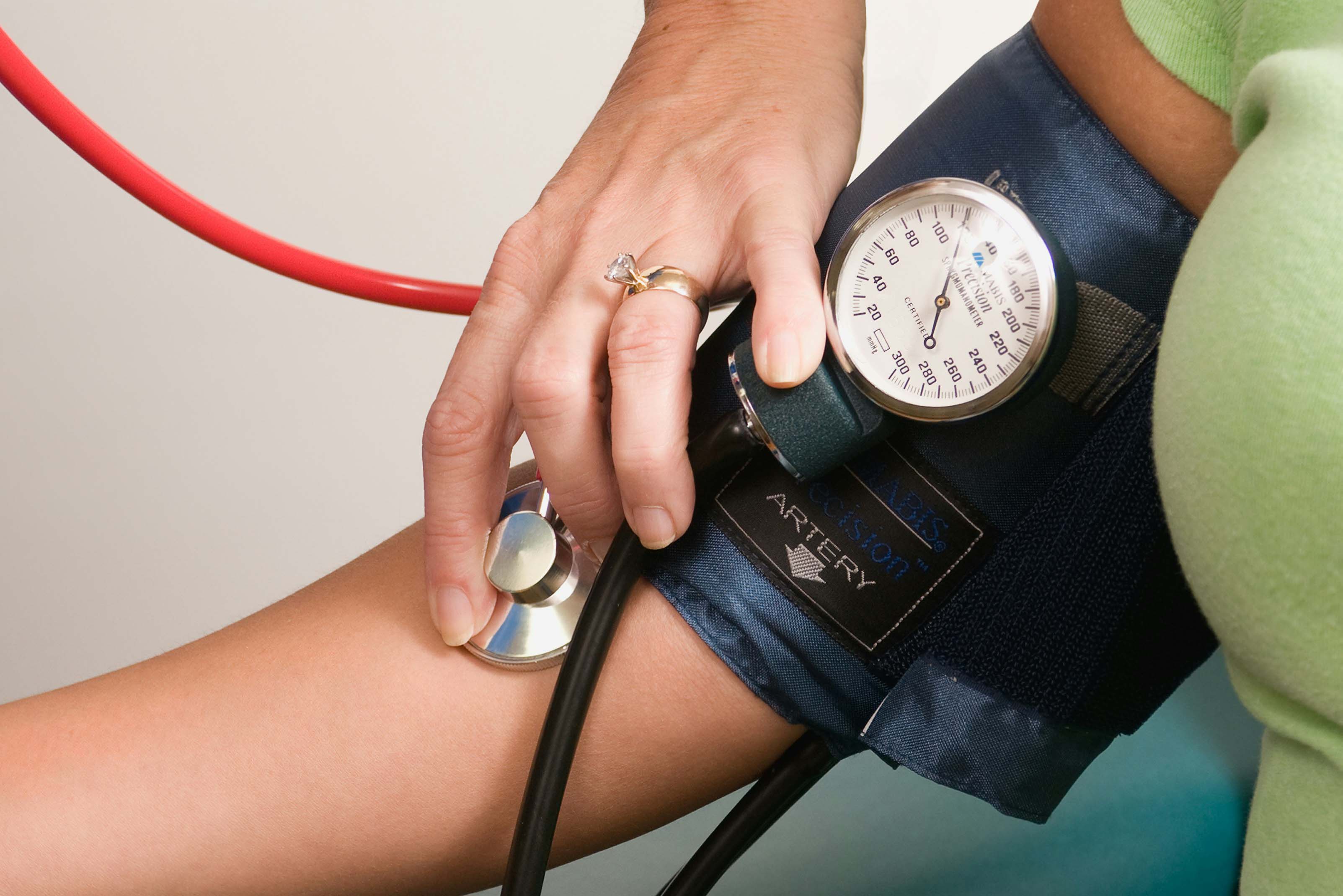
Relaxation techniques may help lower high blood pressure—at least in the short term—but the longer term effects are unclear, finds a pooled data analysis of the existing research. The study, led by the Universities of Bristol and Exeter and published in BMJ Medicine, is funded by the National Institute for Health and Care Research (NIHR).
A University of Bristol academic is one of over 50 scientists to be awarded funding through the Academy of Medical Sciences Springboard programme. In its largest-ever funding initiative for early-career researchers, the Academy is investing £7.6 million to tackle urgent health challenges from Alzheimer’s disease, cancer and obesity to addiction and climate change impacts on health.
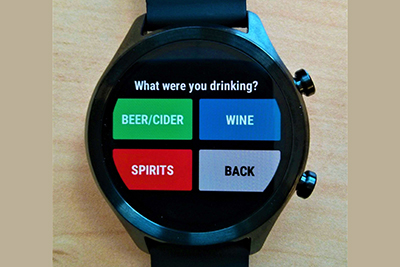
Alcohol harm costs NHS England £3.5 billion annually, with 70 people dying every day from alcohol-related causes in the UK (1). According to new University of Bristol-led research smartwatches could provide a more accurate picture of people’s daily drinking habits than current methods. The technology could be a key element for future alcohol interventions.
The NIHR Bristol Biomedical Research Centre (BRC) - hosted by the University of Bristol and University Hospitals Bristol and Weston NHS Foundation Trust (UHBW) - is bringing together 12 other BRCs to host a translational research collaboration focusing on surgery and perioperative care.
Gastric bypass is the most clinically and cost effective form of interventional surgery for people living with severe obesity, reveals landmark research. The new University of Bristol-led trial, funded by the National Institute for Health and Care Research (NIHR), is published today [31 March] in The Lancet Diabetes & Endocrinology.
Professor Gianni Angelini, Director of the Bristol Heart Institute at the University of Bristol, and cardiac surgeon at University Hospitals Bristol and Weston NHS Foundation Trust (UHBW), has been honoured with a Lifetime Achievement Award from the International Society for Coronary Artery Surgery for his pioneering work.
HRH The Duchess of Edinburgh GCVO, as Royal Patron of The Scar Free Foundation, visited the University of Bristol yesterday [20 March] to learn about a world-leading research study that aims to achieve scar free healing within a generation.
Electric scooter schemes appear to reduce the risk of bicycle collisions by around 20%, according to a University of Bristol-led study. The research, funded by the National Institute for Health and Care Research (NIHR), is published in Injury Prevention today [21 March].
Children who consumed the least amounts of seafood at 7-years-old were likely to be less ‘prosocial’ at ages 7 and 9 years than those who regularly consumed seafood, according to a new study. ‘Prosocial’ behaviour includes friendly interactions, altruism, and sharing.
The Children of the 90s health study at the University of Bristol, which researches the lives of thousands of families in the south west, has been awarded £5.2 million to continue its pioneering work to improve people’s health.
Bristol students came from behind to win the first of their University Challenge quarterfinals.
For the first time, a new resource containing DNA sequencing data for over 37,000 children and parents collected over multiple decades from across the UK is now available to researchers worldwide. The resource, which includes data from three UK long-term birth cohorts including the University of Bristol’s Children of the 90s study, will allow scientists to explore the relationship between genetic and environmental factors in child health.
Did you know a human heart will beat around 100,000 times and continuously pumps about 8 pints of blood around the body each day, but how can you keep a heart healthy. Members of the public will have the opportunity to find out at the Bristol Heart Festival. The free, hands-on event, will take place on Thursday 13 March at the Wills Memorial Building, Queens Road, Bristol.
Paramedics working in GP surgeries help reduce GP workload but do not contribute to cost savings to the NHS, according to the first major study of the clinical and cost-effectiveness of paramedic compared with GP consultations.
Greater openness about complementary and alternative medicines (CAM) use has the potential to strengthen farmer-vet relationships, which may prevent potential unintended harm to animals, reduce antibiotic use and improve herd health management, new research has found. The study, led by the University of Bristol, is published today [26 February] in Frontiers in Veterinary Science.
Large birds – our closest relations to dinosaurs - are capable of technical innovation and can solve a physical task to gain access to food.
Young adults are more likely to give up smoking and switch to vaping if they understand the reduced harm of vaping, according to a new study involving University of Bristol researchers. However, many inaccurately believe that vaping is as bad for you or worse than smoking.
Teenagers may be less likely to start tobacco smoking if they take part in moderate-to-vigorous physical activity (MVPA) from childhood, a new study by the University of Eastern Finland in collaboration with the universities of Bristol and Exeter has shown. The results are published in Behaviour Research and Therapy.
Patients aged between 50 to 70 years with a mechanical heart valve replacement had better long-term survival compared to those with a biological valve, new research led by the University of Bristol has found. The study is published in the European Journal of Cardio-Thoracic Surgery.
The UK’s ability to measure greenhouse gases has taken a step forward thanks to a new atmospheric monitoring station.
Older women could be vulnerable to harmful inflammation from new gene therapies to treat incurable eye diseases, new research has found. The University of Bristol-led study, published in Molecular Therapy, reveal how age and gender affects inflammation caused by gene therapy treatments and could cause damage to the eye. The findings could help improve the therapy’s effectiveness for eye conditions and highlights the need for personalised treatment to reduce risk and ensure a better outcome for all patients.
Dogs in Bristol were amongst the first in the country to woof down snacks made from lab-grown meat in a bid to advance the future of alternative protein sources and help cut carbon emissions.
Children are nearly three-quarters (71%) more likely to develop mental health problems between the ages of five and 18, if the firstborn child in their family experienced adversity during their first 1,000 days, finds a new UCL-led study involving Bristol researchers.
A new University of Bristol-led project aims to ease pressure on the NHS by developing an artificial intelligence (AI) model to predict and reduce a patient’s risk of readmission to hospital.
Mites who hitchhike on the beaks of hummingbirds use a surprising method to help them on their journey - electricity.
A total of 20 University of Bristol academics have been named on Clarivate’s Highly Cited Researchers 2024 list.
Hundreds of potential kidney donors of Black African and Black Caribbean heritage can now get a simple blood test to help reduce the risk of kidney failure.
While child deaths in England fell temporarily during the COVID-19 pandemic, they have now risen to new heights, a new study from researchers at the University of Bristol and based on unique National Child Mortality Database (NCMD) data has found.
A globally-renowned climate scientist has highlighted the need to better recognise and understand the many different adverse health effects posed by worsening climate change for current and future generations.
Parents attending an adult weight management programme, who were worried about their child’s weight, would accept support and signposting to services for their child if it was offered, new research led by the University of Bristol has found. The study is published today [21 January] in BMJ Paediatrics Open.
Bristol’s heart scientists are involved in one of two new Medical Research Council Centres of Research Excellence (MRC CoRE) that aims to develop new advanced therapeutics for currently untreatable diseases. Both Centres will receive up to £50 million each over 14 years.
Bristol researchers are part of the first phase of a new research project that will lay the groundwork for future studies into the impact on children of smartphone and social media use.
A new online guide has launched to support and empower people with vulval lichen sclerosus (LS) to learn about the condition, access the right treatment and live more comfortably. It is estimated that around 1 in 100 women in the UK have vulval LS. It can be diagnosed at any age, but it seems to happen most often after the menopause. Nobody knows exactly what causes LS.
Regular aerobic exercise could significantly reduce disease markers associated with Alzheimer’s, new research led by scientists at the University of Bristol (UK) and the Federal University of São Paulo (Brazil) has found. The findings provide new hope in the battle against this devastating disorder.
Waking up does not activate an increase in the release of the stress hormone cortisol. Cortisol does, however, increase in the hours prior to wakening as part of the body’s preparation for the next day, new research led by the University of Bristol has found. The study is published today [15 January] in the Proceedings of the Royal Society B.
Whether people decide to make New Year resolutions or not, they might want to lead a healthier lifestyle in 2025. According to a new University of Bristol-led study smartwatches could help people give up smoking. The researchers tested a smartwatch fitted with a custom app which used the smartwatch's in-built motion sensors to detect typical smoking movements. The results, published in JMIR Formative Research, showed the technology has the potential to help over two thirds of trial participants quit the habit.
Dr Helen Weavers, Associate Professor in Cell and Developmental Biology in the Faculty of Health and Life Sciences, has been awarded the Women in Cell Biology (WCIB) Early Career Medal 2025 by the British Society for Cell Biology (BSCB).
Around 846 million people aged between 15 and 49 are living with genital herpes infections – more than 1 in 5 of this age-group globally - according to new estimates. At least 1 person each second – 42 million people annually - is estimated to acquire a new genital herpes infection.
Of the 54 children who died of asthma between 2019 and 2023, more than 90 per cent were exposed to air pollution levels above World Health Organization (WHO) guidelines, according to a new report published today [12 December] by the University of Bristol’s National Child Mortality Database (NCMD) team. The report uses the NCMD’s unique data on all child deaths in England to examine deaths due to asthma or anaphylaxis between April 2019 and March 2023.
Two-thirds of children who started tobacco smoking at 10 years of age continued until their mid-twenties, significantly increasing their risk of early heart damage
New potential therapeutic targets have been identified for diabetic kidney disease (DKD) - the leading cause of kidney failure in the world - that could see patients treated with new gene and drug therapies preventing the disease’s progression into end stage kidney failure. The study is published in Nature Communications.
Food allergies affect one in five children in the UK. To help set the priorities for future research, University of Bristol researchers are asking children and young people with food allergies, their parents, and health care professionals who care for them for their views.
Freshwater fish populations that dwell nearer the poles are outperforming their equatorial counterparts, researchers have found.
The results of a study into whether cancer detection dogs can smell bladder cancer in other dogs’ urine suggests that this could be an effective new way to diagnose the disease in dogs. The research, involving University of Bristol researchers, is published in Veterinary and Comparative Oncology.
A Bristol researcher has been recognised for her efforts in raising awareness and public understanding of research involving animals.
Culturally appropriate women-centred interventions can help healthcare systems respond to domestic violence, research has found. HERA (Healthcare Responding to Violence and Abuse) has been co-developing and evaluating a domestic violence and abuse healthcare intervention in low- and middle-income countries for the past five years. This National Institute for Health and Care Research (NIHR) Global Research Group will report their findings, and publish a PolicyBristol report, at a conference in London today [27 November].
Low back pain affects many people in the UK, restricting their daily activities and accounting for 5 per cent of GP appointments. Researchers from the University of Bristol, UWE Bristol and St George’s University Hospital NHS Foundation Trust, in collaboration with the Bristol, North Somerset, South Gloucestershire Integrated Care Board and getUBetter, have secured funding of over £1.3 million to evaluate the implementation of the musculoskeletal self-management app, getUBetter.
Children exposed to the anti-seizure drug lamotrigine during pregnancy were at no increased risk for autism or intellectual disability than those exposed to other anti-seizure medications, according to a new study on the use of eight different anti-seizure drugs published in Nature Communications today [15 November].
Two new studies to understand more about type 1 diabetes and how it develops in people who already have early markers of the disease in their blood are announced today [14 November] on World Diabetes Day. The awards, totalling over £1 million will help University of Bristol researchers find out how the disease, which affects up to 400,000 people in the UK, could be prevented in future.
Hip implants with a delta ceramic or oxidised zirconium head and highly crosslinked polyethylene liner or cup had the lowest risk of revision during the 15 years after surgery, a new University of Bristol-led study has found. The research could help hospitals, surgeons and patients to choose what hip implant to use for replacement surgery.
A £5.5 million award for research that will help protect the public from health threats has been secured by the University of Bristol’s Health Protection Research Unit in Evaluation and Behavioural Science (HPRU-EBS).
People living with Fetal Alcohol Spectrum Disorder (FASD) — one of the most common yet under-recorded neurodevelopmental conditions worldwide — can now have the condition accurately recorded in their medical records thanks to new clinical codes.
A Government minister visited the University of Bristol Dental School to witness the positive impact the £36 million clinical education facility is having on people living in the city.
With the clocks going back this weekend, a new study has found that moving the clocks one hour forward in Spring and one hour back in Autumn has a substantial, but short-lived effect on sleep duration.
Bristol Medical School has been awarded Carbon Literate Educator accreditation for its commitment towards tackling climate change.
Discovering the family home had been remortgaged and credit cards maxed out in her name was the first time Julie Martin became aware of her husband’s relentless gambling addiction.
Self-harm remains neglected worldwide, with at least 14 million episodes yearly. A new Lancet Commission, led by University of Bristol researchers, urges policy action on societal drivers and health services’ response to this pressing issue. The report, involving an international team of experts, is published today [9 October].
Leading experts from across the world will join forces in the UK this week in a bid to confront the wide-reaching challenges and curb the devastating effects of gambling.
A key molecular step required for the division of damaged mitochondria - essential for cell health - has been identified by a University of Bristol-led study. The finding has the potential to establish how mitochondrial dysfunction goes wrong in common neurodegenerative diseases, such as Parkinson's and Alzheimer's.
A trial that showed a cheap and widely available prescription drug can improve symptoms of irritable bowel syndrome (IBS) in patients seen in GP surgeries has been awarded Research Paper of the Year by the Royal College of General Practitioners (RCGP).
Hundreds of babies have begun to be tested for over 200 rare genetic conditions as part of a world-leading study delivered by a University of Bristol team and run in NHS hospitals that aims to screen up to 100,000 newborns in England.
Preterm birth rates are lower than the national average for White women and higher for Black and Asian women, and women living in the most deprived areas according to a new University of Bristol-led study published in BMC Medicine.
A new intervention which keeps lungs regularly expanding when using a heart-lung machine during heart valve surgery might protect lung function and exercise capacity in adult patients after the operation, a University of Bristol-led clinical trial has found.
Giving women at risk of premature birth a simple magnesium sulphate infusion (or ‘drip’) can prevent their babies from developing cerebral palsy, a recent Cochrane review has confirmed. A new editorial by Bristol's Professor Karen Luyt calls for this intervention to be implemented more widely and equitably, as it is still not consistently available worldwide.
The discovery of a new blood group, MAL, has solved a 50- year-old mystery. Researchers from NHS Blood and Transplant (Bristol), NHSBT’s International Blood Group Reference Laboratory (IBGRL) and the University of Bristol identified the genetic background of the previously known but mysterious AnWj blood group antigen. The findings allow identification and treatment of rare patients lacking this blood group.
A new landmark report, led by the University of Bristol researchers, highlights that access to genomic testing for patients with a brain tumour, is inequitable: it is estimated that fewer than 5 per cent of eligible adult patients with a brain tumour are accessing certain tests.
Good Grief Weston, the festival of love and loss returns to the town in October [10 to 13] for its second edition. The event, which involves University of Bristol researchers, aims to open up conversations around death and bereavement, with honesty, compassion, joy and sometimes with humour.
As the world turns its attention back to Paris for the 2024 Paralympic Games, three athletes with ties to the University of Bristol are preparing to showcase their talents in badminton, boccia and triathlon.
GW4 researchers will benefit from the region’s first cryo-focused ion beam-scanning electron microscope. The equipment, which uses Nobel prize-winning technology capable of producing high-resolution imaging of a single protein — around 50 billion times smaller than a human cell, will allow researchers to conduct in situ structural biology with more detailed analyses of cell structures than previously been possible.
Four University of Bristol students will test their quizzing mettle tonight, in the first clash of their University Challenge campaign.
A world-first study to identify which genes make some people stem cell super donors has begun by NHS Blood and Transplant and University of Bristol researchers.
A new study led by scientists from the University of Bristol has revealed what animals do after they have feigned death in order to avoid being killed by a predator and what the context of this behaviour is.
A new study that examined health data on 18 million people reveals higher incidence of mental illnesses for up to a year following severe COVID-19 in unvaccinated people. Vaccination appeared to mitigate the adverse effects of COVID-19 on mental illnesses. The University of Bristol-led study, published in JAMA Psychiatry today [21 August], investigated associations of COVID-19 with mental illnesses according to time since diagnosis and vaccination status.
A groundbreaking study conducted across 30 field sites in the southwest UK has revealed the importance of incorporating varied habitats into the landscape at large.
The annual Bee and Pollination Festival will take place at the University of Bristol’s Botanic Garden in Stoke Bishop this Saturday 24 and Sunday 25 August from 10am to 5pm which also incorporates the 94th Bristol Honey Festival.
A study to find out the best ways of treating prostate cancer has been named the 2024 recipient of the Active Surveillance Patients International (ASPI) Special Award. The ProtecT trial, led by the Universities of Bristol and Oxford, received the award for game-changing research in the development of the active surveillance approach to managing low-risk prostate cancer. Their research has proved active monitoring in patients with lower-risk prostate cancer was as safe as aggressive treatments.
University of Bristol lecturer Dr Jo Hartland (they/them) has been named a National Teaching Fellow (NTF), the most prestigious award for teaching in UK higher education.
A new scientific review of 148 studies enrolling over 4.3 million adult chronic pain patients treated with prescription opioid painkillers has found that nearly one in ten patients experiences opioid dependence or opioid use disorder. The University of Bristol-led study, published in Addiction today [8 August], also found nearly one in three shows symptoms of dependence and opioid use disorder.
Nearly nine months of joint replacement surgery has been lost - around 160,000 fewer operations – since the start of the COVID-19 pandemic, a new study led by the University of Bristol has found. The research suggests returning to pre-pandemic levels will not tackle the backlog, and even with rapid expansion, it will take many years, if not decades, to fix this joint replacement crisis.
A new model to predict the risk of serious complications after shoulder replacement surgery has been developed in a collaboration between researchers from the Universities of Oxford, Bristol, and Copenhagen. The model, published in The Lancet Rheumatology today [31 July], could be an important tool to help both patients and doctors make more informed decisions about this common procedure.
A new study involving nearly the whole adult population of England has found that the incidence of heart attacks and strokes was lower after COVID-19 vaccination than before or without vaccination. The research, involving University of Bristol researchers, is published in Nature Communications today [31 July].
A mature student who burnt all her A-Level notes after dropping out of sixth form has graduated from her dream university.
A student who could not graduate in 1983 because of a £64.80 unpaid bill has finally donned cap and gown – graduating on the same day as his youngest son.
When Xander Van der Poll fell from a tree, becoming paralysed from the waist down, some told him his dream of becoming a doctor was over.
A care leaver who sat her first GCSE aged 35 has graduated as a doctor.
Butterflies and moths collect so much static electricity whilst in flight, that pollen grains from flowers can be pulled by static electricity across air gaps of several millimetres or centimetres.
A University of Bristol academic has been awarded a share of the UKRI’s £104 million flagship fellowships grant.
People who experience an arterial ischemic stroke (AIS) or transient ischemic stroke (TIA) are at an increased risk of suffering a second stroke or other major adverse cardiovascular event (MACE), making it critically important to identify risk factors and treatments to prevent these subsequent occurrences. The new study, led by Boston University School of Public Health (BUSPH) and University of Bristol researchers, has identified new genetic and molecular risk factors that may reveal new pathways for treating patients after they experience their first stroke.
Researchers at the University of Bristol are joining forces with Bristol City Council and other partners in a bid to help reduce knife crime locally and beyond.
Dogs experience emotional contagion from the smell of human stress, leading them to make more ‘pessimistic’ choices, new research finds. The University of Bristol-led study, published in Scientific Reports today [22 July], is the first to test how human stress odours affect dogs' learning and emotional state.
Adolescents consume around two-thirds of their daily calories from ultra-processed foods (UPFs) new research from the Universities of Bristol and Cambridge has found.
Kidney health inequalities due to age, sex, education, location or lack of wealth persist, despite widespread awareness of the barriers some people face, a new report by Kidney Research UK has revealed.
Widely available over-the counter nasal sprays could keep upper respiratory tract infections - like colds, chest infections, flu, sore throat, and sinus infections - at bay, and prevent full-blown symptoms from developing, one of the largest trials to date to test their effectiveness finds. The research, which analysed data from nearly 14,000 adults, found overall they reduced the days of illness by around 20 per cent, and also reduced the number of days with severe symptoms, time off work or normal activities, and antibiotic use.

Dr Richard Evans, who worked in the Department of Pharmacology from 1971 until his retirement in 1996, passed away in May.
Toddlers engage more regions of their brains around 16-months to help them develop important cognitive skills enabling them to follow simple instructions and control impulses. Findings from the study, led by the Universities of Bristol and Oxford, and published in Imaging Neuroscience, suggests 16 months is a critical period for brain development.
A new initiative to increase the visibility of the South West’s growing life sciences ecosystem has been launched.
George Davey-Smith, Professor of Clinical Epidemiology, has been elected to the prestigious EMBO Membership, an honour which recognises research excellence and outstanding achievements in the life sciences.
Outcomes for patients with blood cancer could be improved in future thanks to a £1.74 million Cancer Research UK award. The University of Bristol-led research, comprising an international team of scientists and clinical academics, will investigate why stem cell transplantation, which is used to treat blood cancers, cures the disease in some patients but can fail or cause severe side effects in others.
The majority of women who have survived a cancer diagnosed age 15-39 are at low risk of obstetric complications, a new study has found.
A new study reveals inadequacies in menstrual health education provision in English schools. Findings highlight a lack of practical information being offered, pupils being taught too late, and attitudes which perpetuate stigma. The research is published in Women’s Reproductive Health.
Scientists at the University of Bristol have uncovered a new disease driving mechanism which they are aiming to target to help treat the development of atherosclerotic plaques.
A decade-long collaborative study has discovered huge genetic potential that is untapped in modern wheat varieties.
Community-based testing and treatment response to Glasgow’s HIV outbreak among people who inject drugs (PWID) successfully brought the 2015 outbreak under control, modelling led by academics at the University of Bristol suggests. The study’s findings, published in The Journal of Infectious Diseases (JID), indicate that approximately three times as many people would have been infected by 2020 if these interventions had not been implemented.
Restricting the choice of flavoured vapes, also known as e-cigarettes, could have an adverse effect on the many adults who use them to reduce or quit smoking, according to a new University of Bristol-led study published in the journal Harm Reduction.
A new study, the largest of its kind, published in Biological Psychiatry today [12 June], tracked the blood test results of over 3,500 participants for a span of 17 years to explore a possible link between diet and mental health.
A new University of Bristol-led study looked at the social influences on pigeon flight routes. Researchers compared the flight patterns of pairs of pigeons to a computer model and found that flight paths are improved as younger birds learn the route from older birds and also make route improvements, leading to overall more efficient routes over generations. The study is published in PLOS Biology.
A new continuous professional development course developed by Bristol researchers that builds on more than two decades of animal welfare research has launched online.
Increasing the levels of a key protein in the cells at the back of the eye could help protect against the leading cause of vision loss among older adults, finds a new discovery made by researchers from the UK, US, Germany and Australia. The University of Bristol-led findings are published today [5 June] in Science Translational Medicine and featured on the front cover.
Richard Welbourn, Consultant Bariatric Surgeon at Musgrove Park Hospital (MPH), Taunton, has been appointed as Honorary Associate Professor in Surgery at the University of Bristol.
A neurodevelopmental disorder, caused by mutations in a single gene, affecting tens of thousands of people worldwide, has been identified by researchers. The work, published today [31 May] in Nature Medicine, was conducted by researchers at the Icahn School of Medicine at Mount Sinai, New York in collaboration with colleagues at the University of Bristol, KU Leuven, Belgium; and the NIHR BioResource (currently based at the University of Cambridge).
A baby’s exposure to air pollution while in the womb is associated with the development of certain mental health problems once the infant reaches adolescence, new research has found. The University of Bristol-led study, published in JAMA Network Open today [28 May], examined the long-term mental health impact of early-life exposure to air and noise pollution.
Children who were exposed to SARS-CoV-2 (COVID-19) while in the womb or as newborn babies may face greater difficulties with social skills and have more respiratory symptoms than non-exposed children, according to a new University of Bristol-led study published in eClinicalMedicine.
The University of Bristol’s BioDesign Institute hosted the Synthetic & Engineering Biology British-Swiss Summit on 22 May 2024. The inaugural event was devoted to understanding the opportunities presented by engineering biology technologies to drive innovation in healthcare, forging collaborations between Switzerland and the UK with a focus on environmental sustainability.
Expanding access to epidural analgesia could improve maternal health, say researchers. Having an epidural during labour is associated with a marked reduction in serious complications in the first few weeks after giving birth, finds a study involving University of Bristol researchers, published in The BMJ.
The University of Bristol and AstraZeneca have been granted Leader in Openness status by Understanding Animal Research
Two Bristol academics, Professors Eugenia Piddini and Gene Feder OBE, have been elected to the Academy of Medical Sciences’ respected and influential Fellowship. They join 58 exceptional biomedical and health scientists selected for their exceptional contributions to the advancement of medical science.
Dr Vikki Neville, a Biotechnology and Biological Sciences Research Council (BBSRC) Discovery Fellow and Proleptic Lecturer at Bristol Veterinary School, has been awarded the Universities Federation for Animal Welfare (UFAW) Early Career Animal Welfare Researcher of the Year Award 2024.
A major UK study led by health experts at the University of Stirling in partnership with the universities of Bristol; New Brunswick, Canada; Aberdeen; Glasgow and Queen’s University Belfast, has found that offering text messages with financial incentives is effective in helping men to lose weight.
Breast cancer is the most common cancer in women worldwide. With rates continuing to rise, there is an urgent need to identify new modifiable breast cancer risk factors. New research led by the University of Bristol suggests that higher adiposity in childhood leads to less dense breast tissue forming, which results in a reduced breast cancer risk. However, further research is needed to understand the mechanism of the overall protective effect of childhood adiposity to identify new targets for intervention and prevention.
GP data can provide unique insights into common health conditions, new research looking at insomnia symptom prevalence in England has shown. The University of Bristol-led study, published in BMJ Open today [8 May], also highlights the value of improving access to this data for future health research.
A Gold medal winning garden - crowned ‘Best in Show’ at the 2021 RHS Chelsea Flower Show - that is leading the way in environmental sustainability, and gifted to Bristol by Guangzhou, will be unveiled at the University of Bristol’s Botanic Garden today, Wednesday 1 May 2024, after being rebuilt. Bristol has been twinned with Guangzhou since 2001.
A new study has provided valuable insights into the ongoing debate surrounding two types of shoulder replacement surgery: reverse total shoulder replacement and anatomical total shoulder replacement as a treatment for patients with osteoarthritis.
Rabies is a major concern to both human and animal health, with rabies in dogs and cats widespread in Eastern Europe, and there are concerns the war in Ukraine could pose a greater risk of rabies being reintroduced to the European Union (EU). A four-month period of home isolation of dogs and cats could reduce this risk, new University of Bristol research has shown.
A new study has revealed for the first time the vital role carbon dioxide (CO2) plays in determining the lifespan of airborne viruses – namely SARS-CoV-2, the virus that causes COVID-19.
A new Centre for Applied Excellence in Skin and Allergy Research (CAESAR) is to be set up at Bristol.
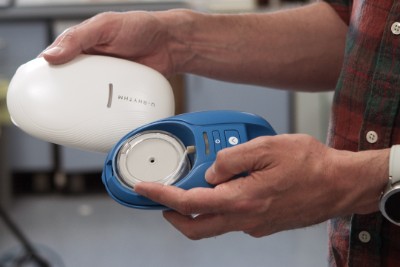
Dynamic Therapeutics, a University of Bristol spin-out, has today [25 April] been awarded a prestigious Blavatnik Prize by QantX, a leading venture capital firm, for its pioneering U-RHYTHM technology. The award recognises the scientific advances and future potential of the UK's most innovative scientists and engineers.
A new way of quickly distinguishing between illegal elephant ivory and legal mammoth tusk ivory could prove critical to fighting the illegal ivory trade. A laser-based approach developed by scientists at the Universities of Bristol and Lancaster, could be used by customs worldwide to aid in the enforcement of illegal ivory from being traded under the guise of legal ivory. Results from the study are published in PLOS ONE today [24 April].
Thousands of people living with rare kidney disease will get access to improved diagnostics, treatments and potentially cures, thanks to the creation of a new research centre, involving experts from the University of Bristol.
Opioid dependence in Scotland remains high but largely stable, according to a new University of Bristol-led analysis published in Addiction today [18 April] and by Public Health Scotland. The study is the first to estimate the number of people dependent on opioid drugs (such as heroin), and who are in or could benefit from drug treatment, among Scotland’s population since 2015/2016 estimates were published.
Marine communities migrated to Antarctica during the Earth’s warmest period in 66 million years long before a mass-extinction event.
People who as teenagers felt pressure to lose weight from family or from the media, females, sexual minorities, and people experiencing socioeconomic disadvantage, are most at risk of 'internalised' weight stigma, new research led by the University of Bristol has found. The study is published in The Lancet Regional Health Europe today [16 Apr].
Three medical students are solving the shocking disparity in skin cancer care between those with dark skin and those with white skin.
Xylazine, a powerful animal tranquiliser linked to horrific side effects, is now widespread in the UK illicit drug market, according to a new study, published today [10 April] in Addiction, involving University of Bristol researchers.
A new study exploring the use of repeat antibiotic prescriptions for the same respiratory tract infection (RTI) episode – known as repeat 'within-episode' prescriptions – in primary care has found high rates of their use in England, despite evidence that they are of little benefit. The study authors, from the Universities of Bristol, Bath, King's College London, and University Medical Center Utrecht, are calling for a reduction in their use and to make them a target for antimicrobial stewardship interventions.
Dr Cher Farrugia from Bristol Dental School has been awarded an International Association for Dental, Oral, and Craniofacial Research (IADR) STAR Network Academy Fellowship 2024.
The largest study to date investigating a single invitation to a PSA blood test* to screen for prostate cancer has found it had a small impact on reducing deaths, but also led to overdiagnosis and missed early detection of some aggressive cancers. The CAP trial, published in the Journal of the American Medical Association (JAMA) and carried out by researchers from the universities of Bristol, Oxford and Cambridge, involved over 400,000 men aged 50-69. Just under half received a single invitation for a PSA test as part of the trial.
Dr Santi Rodriguez, Associate Professor in Medical Education, passed away after a brief illness in March 2024. His colleagues offer a remembrance.
Matt Lodge, ALSPAC Research Secretary and Clinic Administrator, sadly passed away in March. His friends and colleagues Anna and Jill offer their tribute.
An inspirational student who spent nine months in an eating disorder clinic wants to show others “there is always hope”.
The University of Bristol and UCL will lead the Population Research UK (PRUK) co-ordination hub, part of an existing strategic investment from the UKRI Infrastructure Fund.
Researchers at the University of Bristol have uncovered a mechanism by which a hormone can protect the blood vessels in the kidneys from the damage caused by diabetes. In doing so, the team has identified a potential early treatment strategy to prevent or slow progression of kidney disease in people with diabetes. The study, part-funded by Kidney Research UK, is published in Diabetes.
Rabbits are popular family pets, with around 1.5 million* in the UK and it is important that owners can recognise when their animal is in pain, and know when to seek help to protect their rabbit's welfare. New research by the University of Bristol Veterinary School has found the majority of rabbit owners could list signs of pain and could mostly identify pain-free rabbits and those in severe pain, but many lacked knowledge of the subtler sign of pain.
A new study involving University of Bristol researchers has shown a virus-like particle (HLP) can effectively 'shock and kill' the latent HIV reservoir.
Human creativity and the natural world will be on display this weekend at the University of Bristol Botanic Garden annual Easter Sculpture and Arts Festival. The event marks the start of the gardening year as the garden springs into life.
New research has found no evidence of a difference between recovery time and complications when comparing standard and keyhole surgical incisions for the treatment of oesophageal cancer (cancer of the gullet). The study, led by the University of Bristol Medical School and published in the British Journal of Surgery, showed surgeons treating patients with oesophageal cancer do not need to change their practice if they have a strong preference for either procedure type.
A free smartphone app, Drink Less, can help people who would benefit most from reducing their alcohol consumption to do so successfully, according to a large randomised controlled trial led by UCL researchers and involving University of Bristol academics.
Although infection after hip replacement surgery is relatively rare (around 1 in 100), the impact on patients’ lives can be devastating. A new NHS England eLearning programme, website and toolkit has been developed to help healthcare professionals understand and implement best-practice guidelines on treating and supporting patients with prosthetic hip joint infection.
Making alcohol-free beer more widely available on draught in pubs and bars may help people switch from alcoholic to alcohol-free beer, a new study published in Addiction today [21 March], has found. Pubs and bars taking part in the University of Bristol-led trial saw an increase in sales of healthier non-alcoholic draught beer.
Thousands of Bristol and Weston families are already part of the world-renowned Children of the 90s health study based at the University of Bristol. Their participation has led to many scientific discoveries about health. From how babies can safely sleep on their backs to genes that may cause obesity or deteriorating liver health in young people – much of what is now known about health is due to Children of the 90s data, and the study is now calling on more people to take part.
A Bristol researcher will join forces with a team in the Netherlands to drive breakthroughs in heart and circulatory diseases research, thanks to a pioneering partnership between the British Heart Foundation (BHF), Dutch Heart Foundation (DHF) and German Centre for Cardiovascular Research (DZHK).
Two University of Bristol academics have been awarded Senior Investigator status by the National Institute for Health and Care Research (NIHR).
An inexpensive measure of obesity in children and adolescents that could replace body mass index (BMI) has been identified in a new study as waist circumference-to-height ratio. This measure detected excess fat mass and distinguished fat mass from muscle mass in children and adolescents more accurately than BMI. The study, published in Pediatric Research, was conducted in collaboration between the universities of Bristol, Exeter and Eastern Finland.
Proactive care, a whole-system approach and a ‘team-of-teams’ are important elements in achieving effective virtual wards for people with frailty, according to the first rapid realist review of the evidence. The findings of the National Institute of Health and Care Research (NIHR) funded review, published in Age and Ageing and involving University of Bristol researchers, also apply to multidisciplinary virtual wards for other complex conditions.
A new clinical trial of a general practice programme to improve the identification and referral of men and children affected by domestic abuse begins in May thanks to a £2.2 million National Institute for Health and Care Research (NIHR) award to University of Bristol researchers, in partnership with Oxford University and the social enterprise IRISi.
The fertility of both female and male tsetse flies is affected by a single burst of hot weather, researchers at the University of Bristol and Stellenbosch University in South Africa have found.
Hundreds of talented scientists and engineers are set to advance solutions for some of the world’s most pressing challenges, ranging from reaching net-zero and developing sustainable energy to improving digital security and making the latest health breakthroughs.
A creative arts competition giving older people in Zimbabwe and The Gambia a platform to express their experiences about ageing saw hundreds of entries showcase their artistic talent across four categories: music, dance, prose, and mixed media from across both countries. The competition, part of a University of Bristol led research project, hopes to improve the health and wellbeing of older people living in sub-Saharan Africa.
We can learn to be happy, but only get lasting benefits if we keep practising, a first-of-its-kind study has revealed.
Four families explain the toll of living conditions on their physical and mental health in a series of films to help change urban planning policy and practice in the UK.
An international study has shown for the first time how empathetic correction of misinformation among vaccine-hesitant patients can significantly improve attitudes towards vaccination – and potentially boost vaccine uptake.
A pioneering new Mental Health Platform Research Hub, which will advance the understanding, diagnosis and treatment of severe mental illness has been awarded a £4.3 million grant from UK Research & Innovation (UKRI) and the Medical Research Council (MRC).
A new web-based baby sleep planner, developed by researchers at the University of Bristol, could help save babies lives from sudden infant death syndrome or SIDS, a study suggests. The sleep planner tool is a new way to find out about babies risks and help keep them safe whilst sleeping. Although SIDS is rare, with one death in 3,000 to 4,000 births in England, this new tool, funded by the National Institute for Health and Care Research (NIHR), could help reduce unexplained infant deaths.
Diabetic patients who take anti-diabetic drugs - known as glitazones – long term had a lower risk of primary and secondary brain cancer compared with diabetic patients on other medications, new research led by the University of Bristol has found.
Professor Sir Anthony Epstein has passed away aged 102. Dr Darryl Hill, Head of the School of Cellular and Molecular Medicine, offers a remembrance.
This year – 2024 – the University of Bristol's Veterinary School is celebrating 75 years of educating veterinary students and advancing veterinary science. From improving livestock welfare to tackling food security and antimicrobial resistance, using artificial intelligence to detect disease and working to conserve highly threatened mammals, Bristol Veterinary School has helped to advance veterinary medicine, animal welfare and health around the world.
Droughts have the potential to increase the spread of HIV for women living in rural parts of Africa, researchers at the University of Bristol have found.
Problems with our sleep and internal body clock can trigger or worsen a range of psychiatric disorders, according to a new review of recent research evidence.
Cleft lip and/or palate is a lifelong condition affecting one in 700 births. A new research programme, led by the University of Bristol and thanks to funding of nearly £2 million by the National Institute for Health and Care Research (NIHR), will investigate how ethnicity, sex, socio-economic status, health literacy and geography affect outcomes for young adults born with a cleft. The findings will establish how to address this variation and ensure that all young adults have the same chance of achieving the best possible outcomes.
Bristol researchers are part of a newly-launched multi-institution network to research bacterial cause of sepsis and heart damage in children. Each year, around half a million people, including many children and young people, die around the world because of serious group A streptococcal (Strep A) bacterial infections. While most cases are relatively mild – affecting only the skin or throat - some infections can lead to deadly sepsis or autoimmune damage to the heart. There is currently no available vaccine for Strep A.
A national partnership led by researchers at the Universities of Bristol and Liverpool has received £2.4 million to tackle health inequalities in coastal communities.
A 19-year-old medicine student has just become a professional Ironman triathlete – despite only starting training in 2020.
Twelve percent of infant deaths in England could be avoided if all infants in England had the same risk of death as White infants, a new University of Bristol-led study shows. Such a change, which equates to more than 200 deaths per year, would bring England – which currently has one of the highest infant mortality rates in Europe – in line with other EU nations.
Bristol’s Dr Filipe Machado França is among the 75 research leaders benefiting from £101 million investment by UK Research and Innovation (UKRI) to tackle major global challenges.
Tiny external structures in the wax coating of blueberries give them their blue colour, researchers at the University of Bristol can reveal.
David Stephens, Emeritus Professor of Cell Biology in the School of Biochemistry, has been awarded the Royal Microscopical Society (RMS) Scientific Achievement Award for his work on cell biology.
The workings of the ultrasonic warning sounds produced by the wings of a species of moth have been revealed by researchers at the University of Bristol.
New research has shown a new type of inhibitor drug could prevent microvascular diabetic complications, such as diabetic eye and kidney disease. The University of Bristol-led research is published in Cardiovascular Diabetology.
A detailed study of intimate partner violence and abuse (IPVA) among young people in the UK has found that a 'loneliness loop' risks trapping young people in a repeating cycle of abuse. The University of Bristol-led research, which analysed survey data from 3,000 young people, recommends early intervention to prevent young people from experiencing IPVA.

A weight loss intervention in people with type 2 diabetes was found to alter levels of cancer-related proteins, according to the findings of a new University of Bristol-led study. The study, published in eBioMedicine, is the first to show that weight loss in people recently diagnosed with diabetes can change the levels of cancer-related chemicals circulating in the blood.
A Sign Language interpreter, a conservationist and an esteemed Shakespearean are among the University of Bristol's 2024 Alumni Award winners.
Supporting women of childbearing age to have a healthy weight could reduce the risk of several pregnancy complications, new research led by the University of Bristol has found. The international collaborative study is published in BMC Medicine today [29 January].
Expanding the IRIS (Identification and Referral to Improve Safety) domestic abuse programme to include men and children and young people is both feasible and potentially cost-effective, University of Bristol researchers have found.
The way trees grow together do not resemble how branches grow on a single tree, scientists have discovered.
A ‘fitness check’ of regulations in five countries meant to protect animals during transportation, has deemed that they all fall short of fully protecting animals during transport. Findings from this interdisciplinary work involving the Universities of Bristol, Essex and British Columbia (Canada) which compared animal transport rules designed to protect the billions of livestock that are transported on lengthy journeys in Australia, Canada, New Zealand, EU (including UK) and US, highlights serious failures.
Crucial new data about the numbers of Critically Endangered Kordofan giraffe living within Cameroon’s Bénoué National Park has been released, supporting conservation efforts to save the subspecies from extinction.
Ariel, a five-month-old Cocker Spaniel, who had two extra limbs that resembled a mermaid’s tail has had successful specialist surgery carried out by a multidisciplinary team at the University of Bristol’s Langford Vets.
Scientists working on biological design should focus on the idiosyncrasies of biological systems over optimisation, according to new research.
People with early-stage Alzheimer’s disease or mild cognitive impairment are already taking part in research to investigate whether improving oral health can slow memory loss but even more people are needed to help. The MySmile study, led by the University of Bristol, wants to find out if a daily brushing routine could help to protect against dementia.
The first genome of hagfish – the only vertebrate lineage without a reference genome - has been sequenced by an international team of scientists.
Rapid-acting antidepressants, including ketamine, scopolamine and psilocybin, have been found to have immediate and lasting positive effects on mood in patients with major depressive disorder but how these effects arise is unknown. New research led by the University of Bristol explored their neuropsychological effects and found that all three of these drugs can modulate affective biases associated with learning and memory.
Outdoor humidity and temperature levels during pregnancy could affect the future blood pressure of the unborn child, according to new research by the University of Bristol, published in JACC: Advances.
Diets high in calories, fat and sugar in childhood can cause damage to blood vessel function, known to heighten the risk of early heart attacks and strokes, as early as adolescence according to research funded by the British Heart Foundation (BHF). The team behind the University of Bristol-led study, published in the British Journal of Nutrition today [10 January], say their findings highlight the importance of healthy eating habits throughout life to protect heart health.
Two academics at the University of Bristol, clinical scientist, Professor John Iredale, and historian, Professor Ronald Hutton, alumnus Gregory Doran, alumnus and member of staff Sandy Mitchell, and former member of staff, Dr Teame Mebrahtu have been recognised for their significant achievements in this year's King's New Year Honours list.
Increased sedentary time from childhood through young adulthood caused increased body fat and abdominal fat in a new follow-up study. However, the results also showed that light physical activity (LPA) may completely reverse the adverse process. Moderate-to-vigorous physical activity (MVPA) may only reduce the effect. The study, published in Nature Communications, was conducted in collaboration between the universities of Bristol and Exeter, University of Colorado and the University of Eastern Finland.
Fifteen per cent of child deaths in England over the last three years are related to infection, according to a new report published today [14 December] by the University of Bristol’s National Child Mortality Database (NCMD) team. The report uses the NCMD’s unique data on all child deaths in England to examine 1,507 infection-related deaths between April 2019 and March 2022.
A four-part audio-drama, Tobias and Syd, launched earlier this year and inspired by University of Bristol and Durham University research, is currently ranked second in the Audio Fiction World Cup and is the top UK podcast.
A University of Bristol researcher who has developed a new type of 'heart plaster' that could improve the way surgeons treat children living with congenital heart disease has won this year's British Heart Foundation (BHF) Research Story of the Year. The award is part of the charity's annual Heart Hero Awards 2023.
Coronaviruses are a global public health risk, with three highly infectious species, including SARS-CoV-2, emerging in the last 20 years. New research by the University of Bristol has shown how an HIV drug could stop many coronavirus diseases, including the SARS-CoV-2 variants, when given to infected cells at the right concentration. The findings could strengthen the arsenal of antiviral drugs available to combat current and future coronavirus outbreaks.
The largest review of papers for brain cancer that has spread from the lungs has found abnormalities in the brain cancer and for which licensed drugs could be clinically trialled to find out if they could treat the disease. The research led by the University of Bristol and published in Neuro-Oncology Advances also found genetic differences between smokers and non-smokers.
New research that compared the taste perception of less processed foods with ultra-processed foods (UPFs), found participants viewed UPFs no more pleasant tasting than less processed foods. The University of Bristol-led findings, published in the journal Appetite today [27 November], supports the theory that humans are programmed to learn to like foods with more equal amounts of carbohydrate and fat. Carbohydrate (including sugars) and fat provide most of the calories in human diets.
A new intervention for men with urinary problems trialled across GP practices has shown a sustained reduction in symptoms. Findings from the University of Bristol-led Treating Urinary Symptoms in Men in Primary Healthcare (TRIUMPH) study, involving over 1,000 participants and 30 GP practices, have been published in the British Medical Journal (BMJ). The study was funded by the National Institute for Health and Care Research (NIHR).
A team of University of Bristol experts are poised to join the 2023 United Nations Climate Change Conference, which will hold the world to account in addressing humanity’s most urgent and ambitious challenge.

Eating more ultra-processed foods (UPFs) may be associated with a higher risk of developing cancers of upper aerodigestive tract (including the mouth, throat and oesophagus), according to a new study led by researchers from the University of Bristol and the International Agency for Research on Cancer (IARC).

Striped skunks are less likely to evolve with their famous and white markings where the threat of predation from mammals is low, scientists from the University of Bristol, Montana and Long Beach, California have discovered.
A University of Bristol professor of primary care and GP is one of six researchers to have been awarded a National Institute for Health and Care Research (NIHR) Research Professorship. Professor Matthew Ridd, from Bristol’s Centre for Academic Primary Care, will carry out research to treat eczema in children and identify and address children’s food allergies.
Feeding dogs raw (uncooked) meat increases their risk of excreting E. coli that cannot be killed by a widely used antibiotic - ciprofloxacin - researchers at the University of Bristol have found from a study of 600 healthy pet dogs.
A new study that examined all cardiac arrests occurring during or soon after surgery in more than 300 UK hospitals over a one-year period ‒ has identified that this extremely dangerous and often fatal event occurs in 3 per 10,000 surgeries requiring anaesthesia. The study is published in Anaesthesia.
Young people whose mothers experienced periods of depression during their lifetime were less likely to study at university, new research led by the University of Bristol has found. The study is published in the Journal of Affective Disorders.
Animal offspring may survive better when their groups are in greater conflict with rival factions, research from the University of Bristol has shown for the first time.
Professor Sir Eric Thomas FMedSci, former Vice-Chancellor and President of the University of Bristol, sadly passed away on Friday 10 November 2023 aged 70 following a short battle with cancer. He was Bristol's 12th Vice-Chancellor, and led the University for 14 years between 2001 and 2015 during a period of significant change in higher education.
A world-first research programme led by the University of Bristol that will identify adults at high risk of developing type 1 diabetes opens for recruitment today. Launching on World Diabetes Day [Tuesday 14 November], the Type 1 Diabetes Risk in Adults (T1DRA) study aims to recruit 20,000 adults, aged between 18 and 70, from the general population to assess their risk.
The Minister for Health and Social Services has published the Assisted Dying in Jersey Ethical Review report, which has contributions by three experts of medical law and ethics from the universities of Bristol, Manchester and Toronto.
Domestic cats introduced from the Near East and wildcats native to Europe did not mix until the 1960s, despite being exposed to each other for two thousand years.
People are being asked to complete an online survey to help identify the top ten global burns research priorities and improve burns care around the world. The survey is part of an international partnership set up to give a louder voice to burns patients, carers and clinicians.
A new collaborative initiative between UK universities and countries worldwide to share cutting-edge vaccine technology to prevent future global outbreaks of infectious diseases has been awarded £10.5 million from the Department of Health & Social Care (DHSC) and the Engineering and Physical Sciences Research Council (EPSRC).
Being taller during the course of a person’s lifetime could protect against heart disease and stroke in later life, according to a new University of Bristol-led study. The research, which analysed height and genetic data on over 454,000 individuals, is published in the pre-print publication* medRxiv.
One of the most common byproducts of the burning of fossil fuels, phenanthrene, causes heart arrythmias in mice, proving for the first time it is toxic to mammals, new research has discovered.
Acclaimed versifier, activist and educator Dr Lawrence Hoo is poised to present a compelling poem calling on people across the city and beyond to embark on a journey of “fairness and respect” to tackle systemic discrimination, advance social justice, and recognise Africa as a leading knowledge powerhouse.
People with type 2 diabetes who took part in a diet-assisted weight loss trial, showed differences across a wide range of potential biomarkers of metabolic health one year later, according to the results of a new study.
University of Bristol-led research comparing the effectiveness and safety of different types of moisturiser for childhood eczema has won the Royal College of General Practitioners (RCGP) Research Paper of the Year (RPY) Award 2022.
A University of Bristol academic specialising in dolphin social behaviour has scooped the Zoological Society of London’s (ZSL) Scientific Medal.
Understanding what causes trees to die is one of the biggest uncertainties preventing us from forecasting how forests will respond to the growing threat of climate change.
A first-of-its kind hormone replacement therapy that more closely replicates the natural circadian and ultradian rhythms of our hormones has shown to improve symptoms in patients with adrenal conditions. Results from the University of Bristol-led clinical trial are published today [20 October] in the Journal of Internal Medicine.
A potential treatment for the world’s leading cause of kidney failure in children needing dialysis has been discovered by an international team of scientists. The University of Bristol-led breakthrough is published today [19 October] in Med.
Hundreds of Children of the 90s participants from across Bristol and Weston-super-Mare visited the M Shed to learn directly from the researchers behind the world renowned study.
The extraordinary lifespans of bats could be under threat from rising global temperatures, according to new research.
A student led England to victory at the Europe Netball U21 Championships during her first matches on the international stage.
As many as 71.6% of child deaths up to age 10 are linked to illness as a newborn, according to a new University of Bristol-led study published today in the journal JAMA Network Open.
An international collaboration is aiming to improve global health by uncovering the effects of genomic and environmental diversity on differences in disease risk observed across the global population, thanks to a new partnership of 20 research groups from around the world.
People aged 50 and over are invited to take part in a new University of Bristol research study looking at the co-administration of the shingles vaccine with the COVID-19 or flu vaccine.
With the explosion of online platforms and advertising, the scourge of gambling is a growing problem affecting people of all ages.
Donkeys are vital to the lives of women in Ethiopia and could be the difference between destitution and modest survival, new research has found. The study also revealed that societal perception of donkeys as low-status animals has an impact on both the owners’ lives and the wellbeing of the donkeys.
Scientists have uncovered why night shift work is associated with changes in appetite in a new University of Bristol-led study. The findings, published in Communications Biology, could help the millions of people that work through the night and struggle with weight gain.
A new technology to check wind turbines has helped the University of Bristol turn in excellent green credentials for a national assessment.
Of the more than 1.8 million adults in England with a recorded diagnosis of being overweight or obesity, only three percent are referred to publicly funded weight management programmes, according to a new University of Bristol-led study published today [28 September] in PLOS Medicine.
The Little Princess Trust has announced funding of three groundbreaking childhood cancer research projects including a new University of Bristol-led study that will investigate how protein production is changed in childhood cancer cells.
Researchers have unravelled for the first time a fundamental shift in the way American politicians communicate on social media, which helps explain the proliferation of compelling misinformation.
An exciting new sports science study is underway at the Children of the 90s clinic at the University of Bristol. European Challenge Cup winners, the Bristol Bears, are pioneering new research looking at the association between body composition and injury in elite level male, female and academy rugby union players.
Primate species with better colour vision are not more likely to have red skin or fur colouration, as previously thought.
The success of PReCePT, a programme to increase the use of magnesium sulfate to prevent cerebral palsy in premature babies, has been highlighted in a study led by National Institute for Health and Care Research Applied Research Collaboration West (NIHR ARC West) researchers including from the University of Bristol.
Listening to rats' ultrasonic vocalisations could help provide a method to measure the impact of potential refinements on rat welfare without needing to remove the animals from their home cage.
Cases of Prolonged Grief Disorder among people bereaved during the COVID-19 pandemic are likely to be significantly higher than pre-pandemic, indicates new research from the University of Bristol and Cardiff University.
One of the biggest crises in Earth history was marked by a revolution in the shellfish – brachiopods, sometimes called ‘lamp shells’ were replaced everywhere ecologically by the bivalves, such as oysters and clams. This happened as a result of the devastating end-Permian mass extinction which reset the evolution of life 250 million years ago.
The rapid outbreak of mpox (formerly known as monkeypox) in 2022 likely resulted from high levels of sexual mixing among some gay, bisexual and other men who have sex with men (GBMSM), with the initial downturn in cases probably due to a reduction in sexual contacts among these men, according to new research led by the National Institute for Health and Care Research (NIHR) Health Protection Research Unit (HPRU) in Behavioural Science and Evaluation. The HPRU is a partnership between the University of Bristol and the UK Health Security Agency (UKHSA).
Jackdaws ditch old friends and make new ones if it helps them get rewards – but stick with family through thick and thin, new research shows.
The University of Bristol’s new, purpose-designed Dental School will be officially opened today [Friday 8 September].
Views around obesity are closely tied up with political values and wider social attitudes, suggesting that tackling weight stigma may require tackling other forms of stigma, new research led by the University of Bristol has found.
Researchers from seven international institutions hope to transform traditional strategies used to tackle global HIV prevention for key populations particularly affected by the virus, thanks to a new £5 million Wellcome Discovery award to Professor Peter Vickerman at the University of Bristol.
A new study has uncovered intriguing insights into the evolution of plant biology, effectively rewriting the history of how they evolved over the past billion years.
A new app to access naloxone, the life-saving medicine to prevent an opioid overdose, is launched in Somerset today on International Overdose Awareness Day [31 August]. The app, which is supported by University of Bristol research, is the first-of-its kind in England.
Come and find out about the vital role pollinators play in our lives and other pollinators you may find in your garden at the University of Bristol Botanic Garden this weekend.
Patients are not given sufficient information about the novel status of a procedure, possible uncertainties or potential risks when deciding to go ahead with the procedure, research led by the University of Bristol and published in the Annals of Surgery has found.
Researchers at the University of Bristol have made a remarkable step forward in finding a potential cure for a type of childhood kidney disease.
Three clinicians based in the Academic Respiratory Unit (ARU) have been successful in gaining prestigious and highly competitive clinical academic funding from the National Institute for Health and Care Research (NIHR) and the Medical Research Council (MRC).
Screening has reduced the incidence of bowel cancer finds a new study jointly led by researchers from the University of Bristol and University Hospitals Bristol and Weston NHS Foundation Trust.
The activity level of six bat species was significantly reduced at solar farm sites, researchers have observed.
Heliconius butterflies are capable of spatial learning, scientists have discovered.
Poaching of two Critically Endangered Kordofan giraffes per year could result in extinction in just 15 years within Cameroon's Bénoué National Park without intervention. These are the alarming new findings of a University of Bristol and Bristol Zoological Society-led study published in the African Journal of Ecology.
A student who lost his family home and fell into a deep depression after his mother died has today graduated from the University of Bristol.


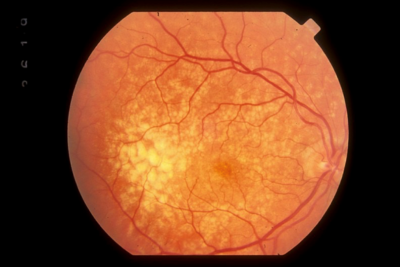






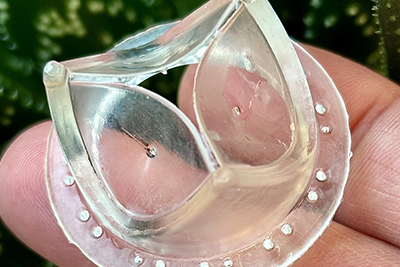





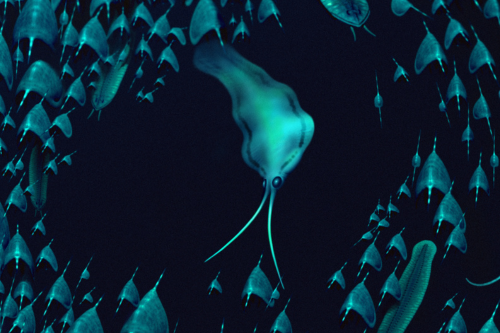








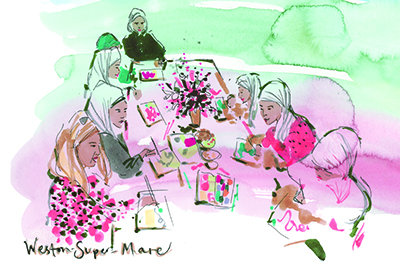











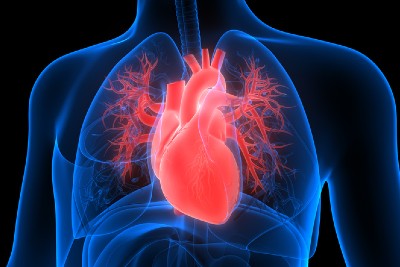

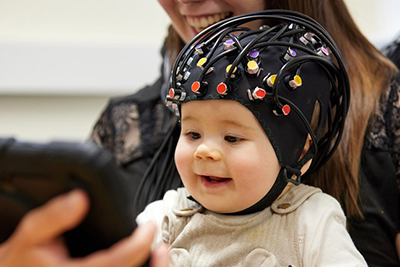
.jpg)








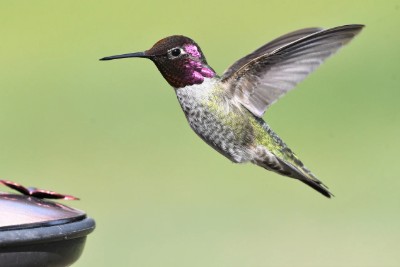






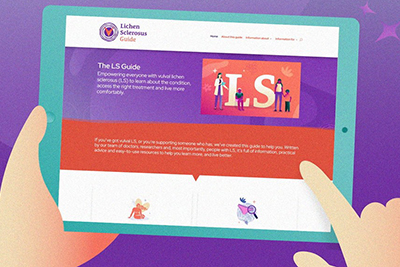

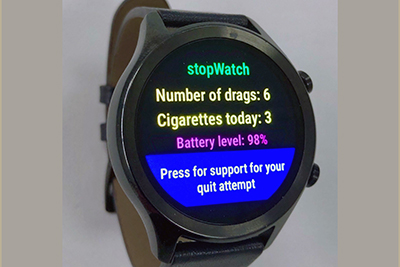
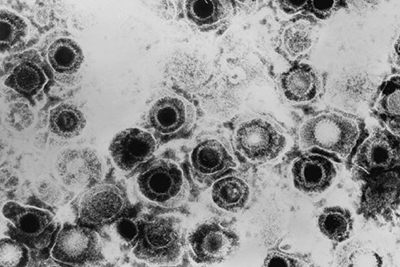


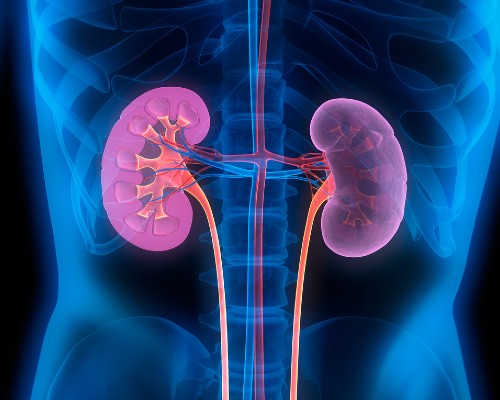
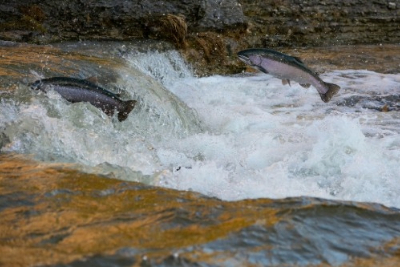
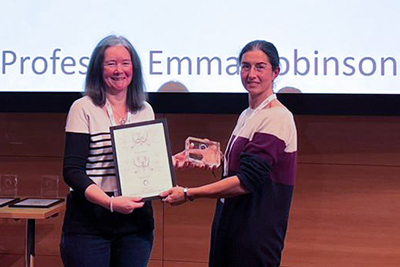


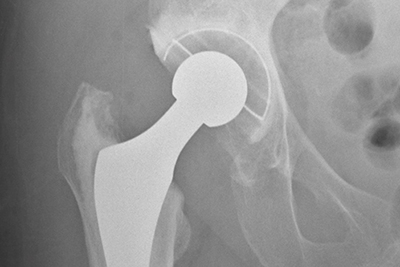

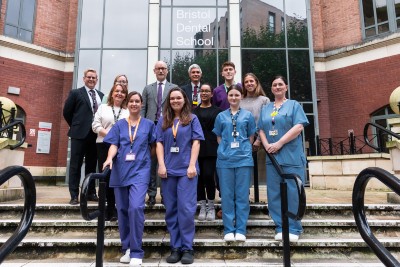

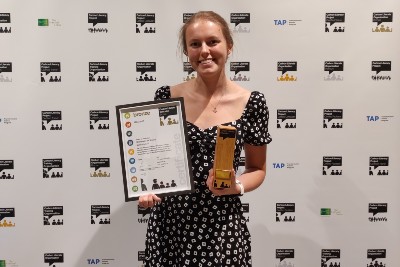



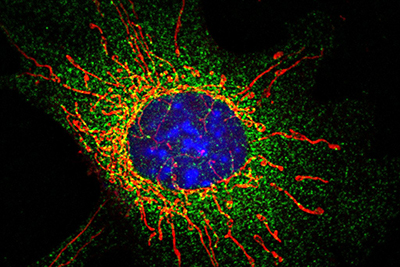






.jpg)
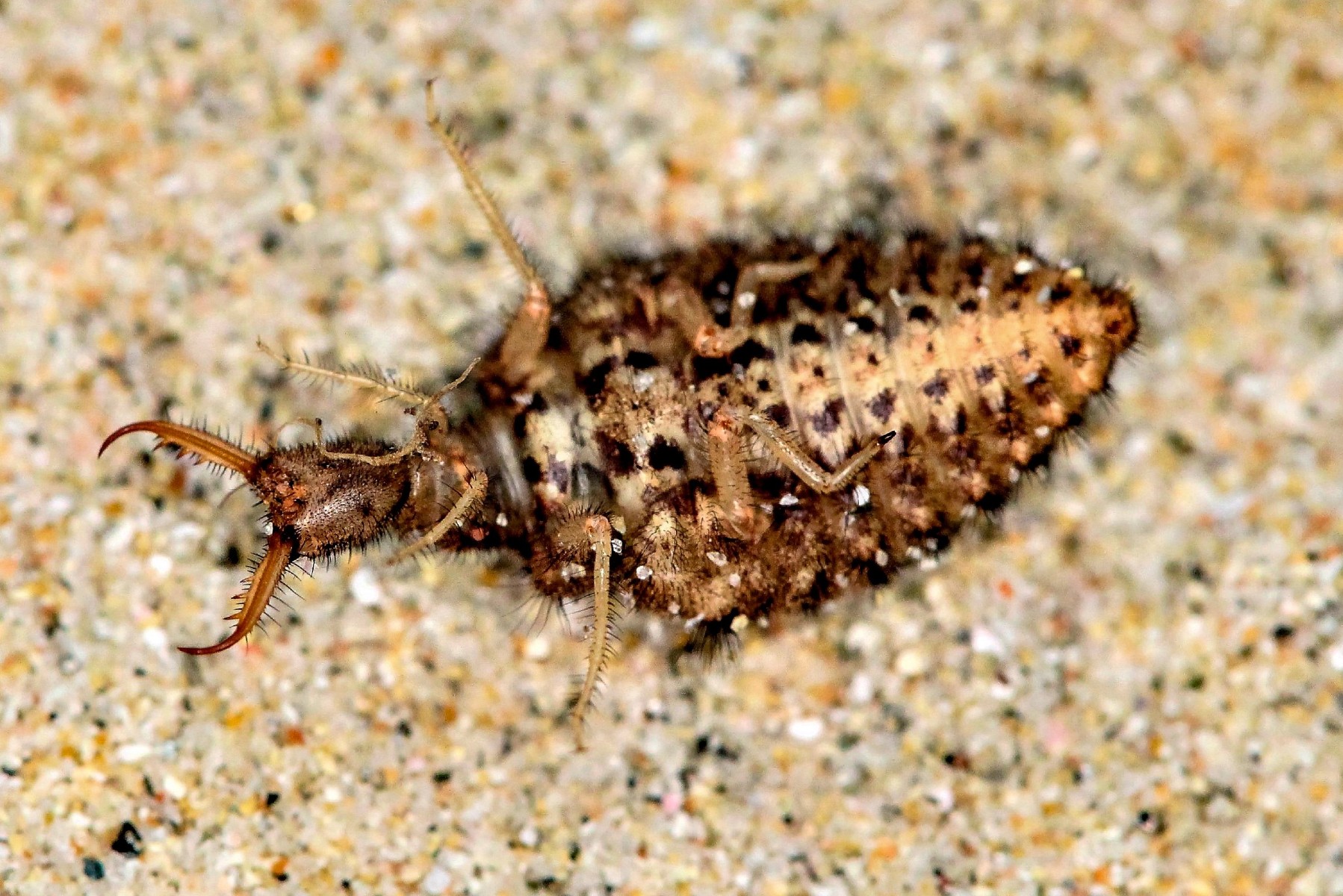

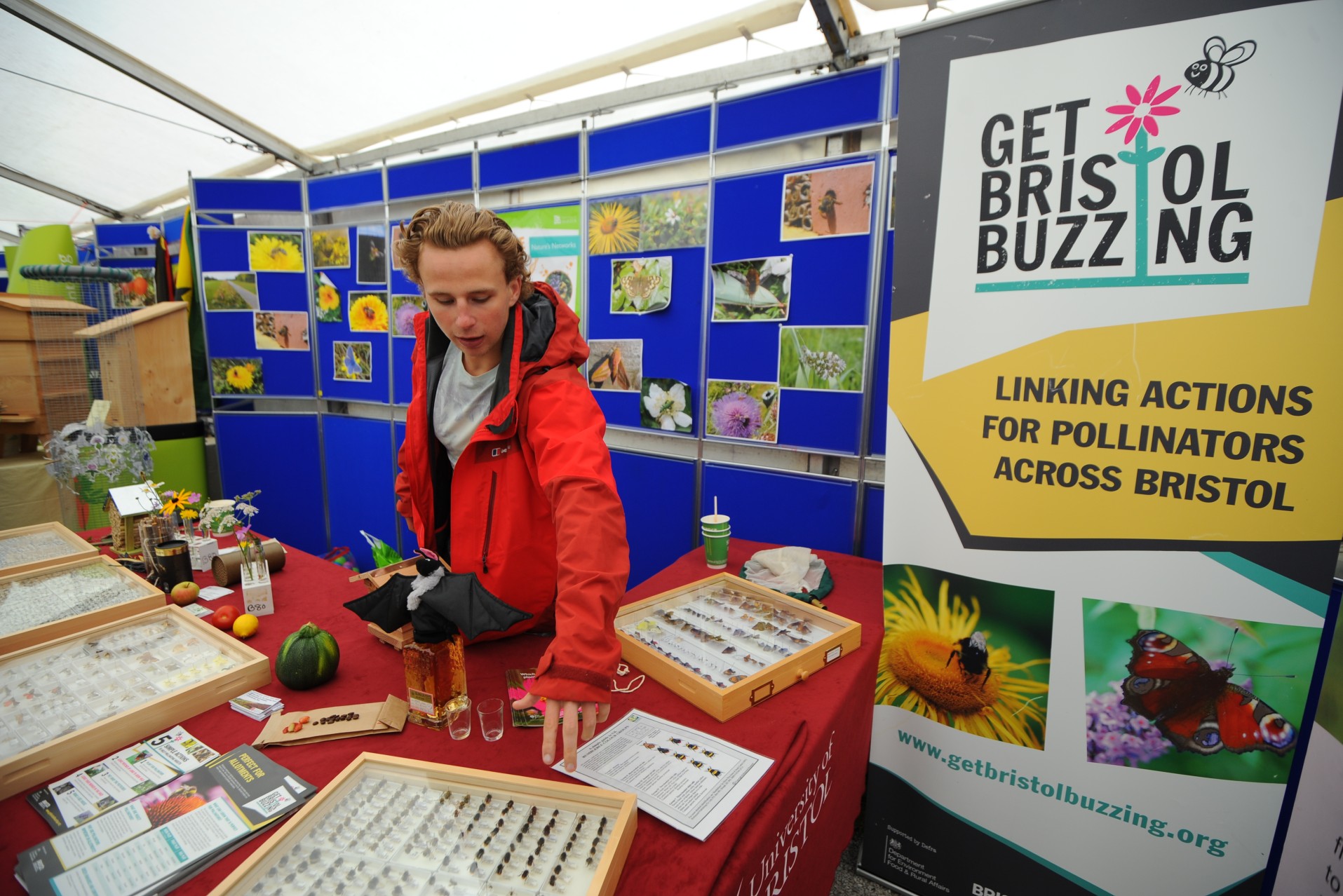

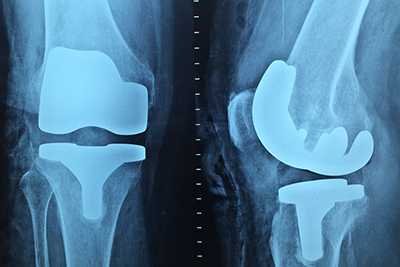
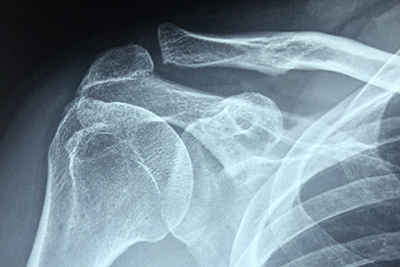
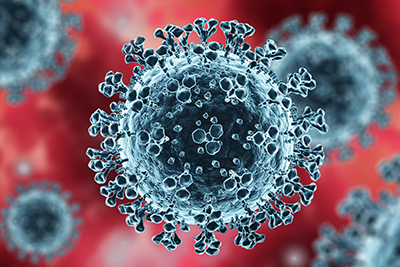
 (1).jpg)
 (1).jpg)
 (1).jpg)
.jpg)
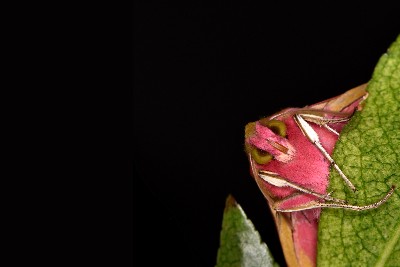

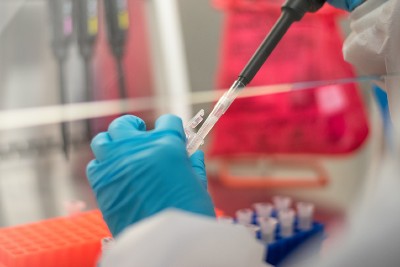



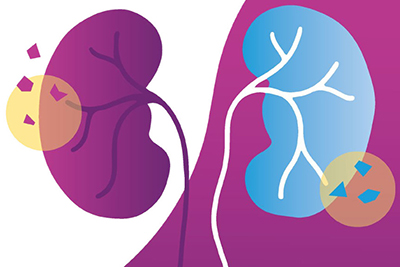
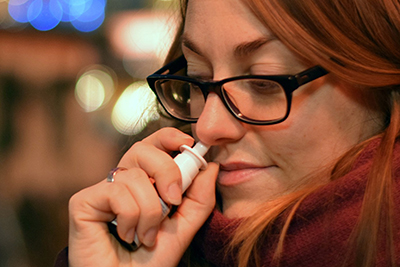

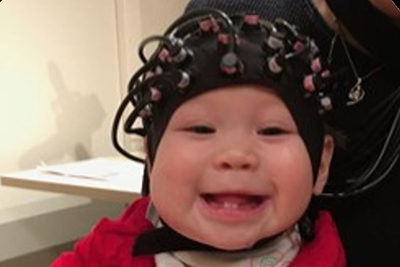



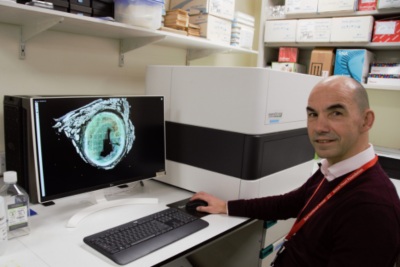
.jpg)

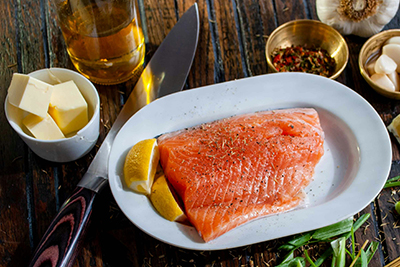
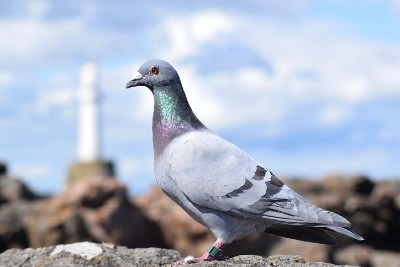
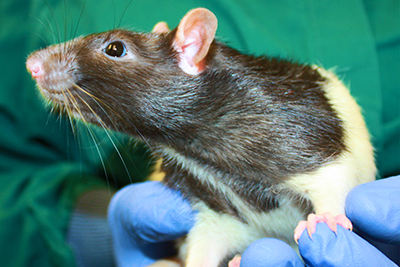

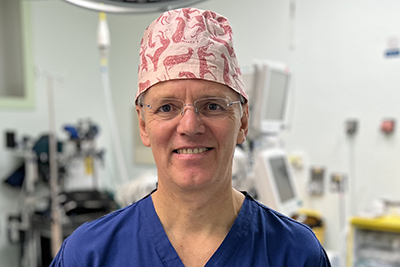

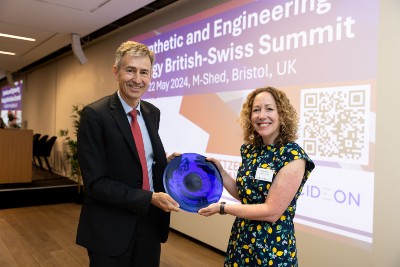







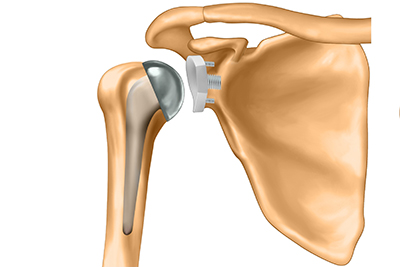


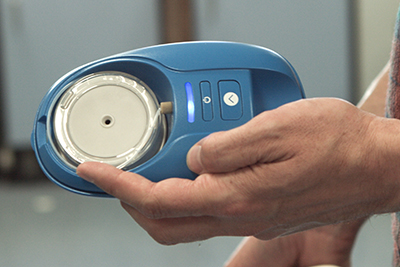
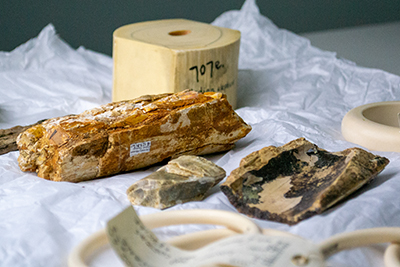
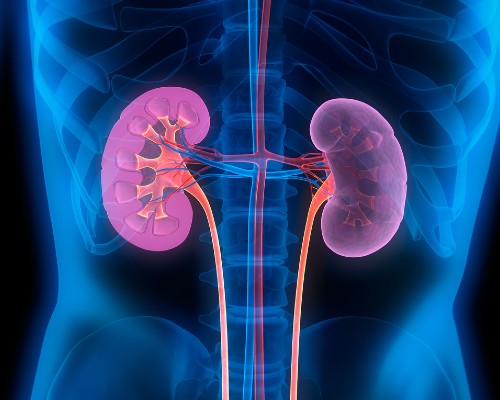


.jpg)

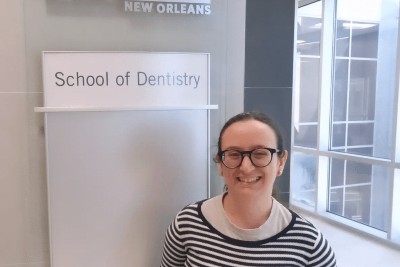

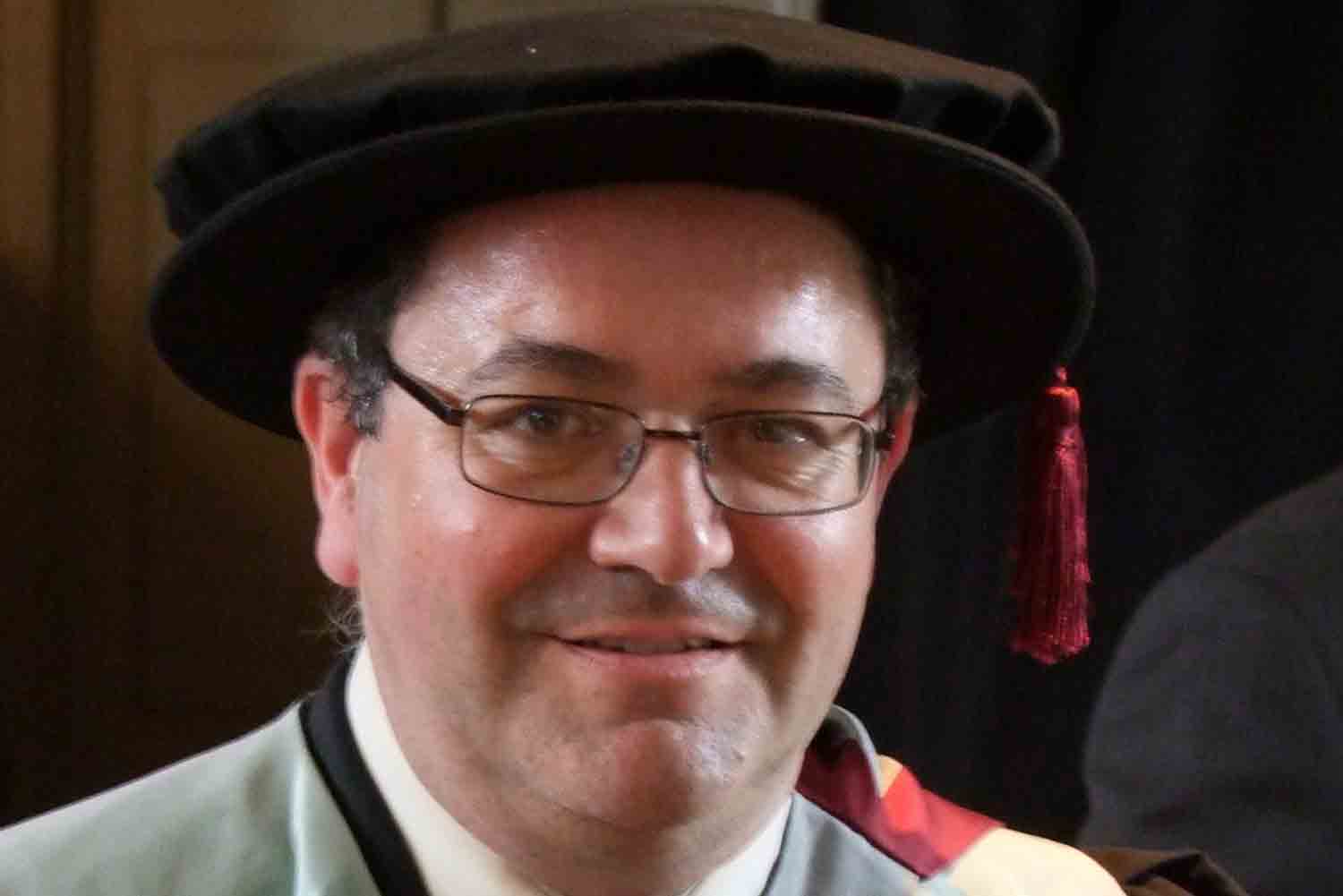

 (1).jpg)

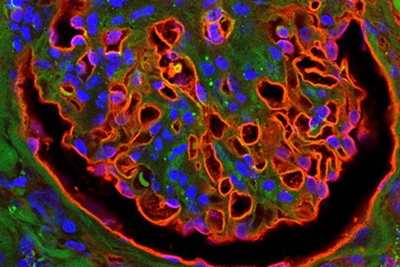
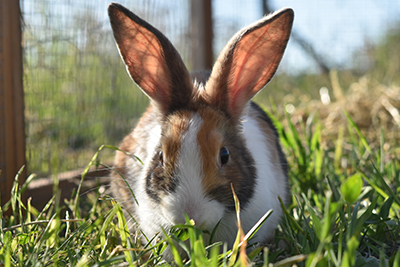






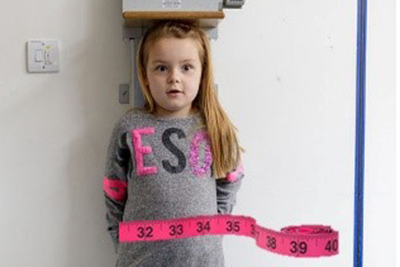


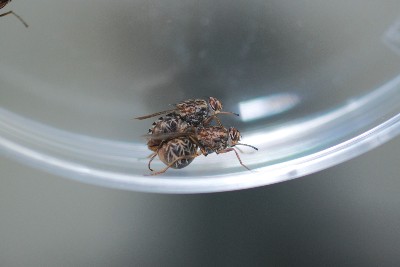

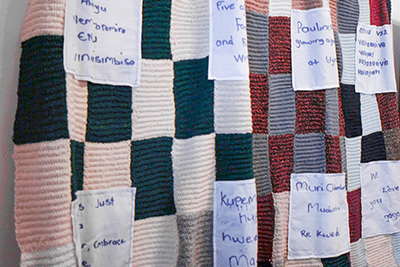



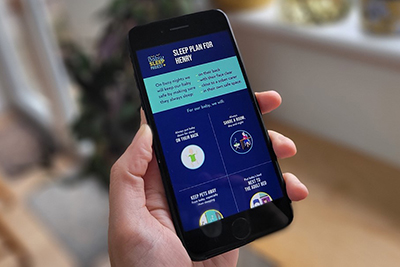
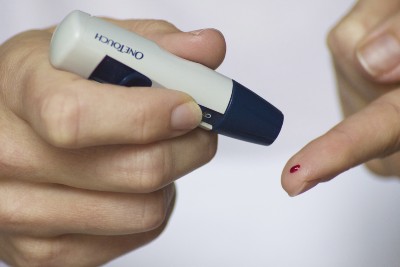






 (1).jpg)

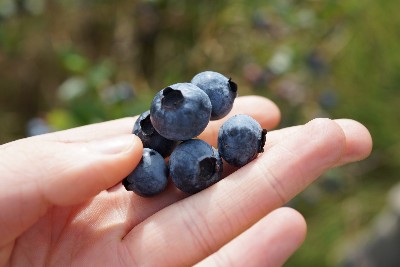

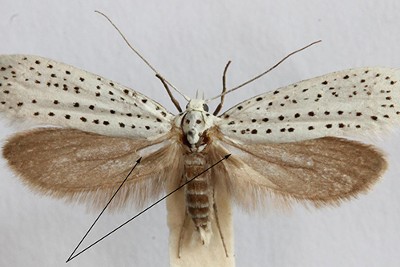

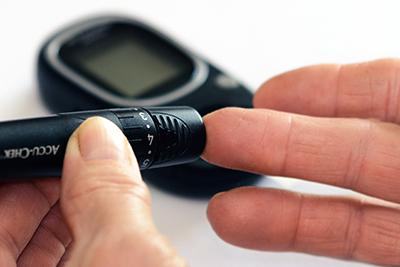




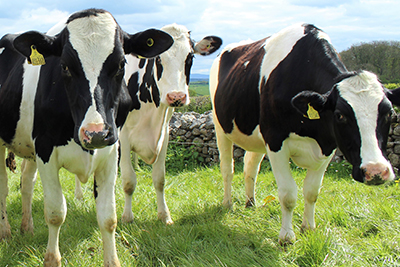



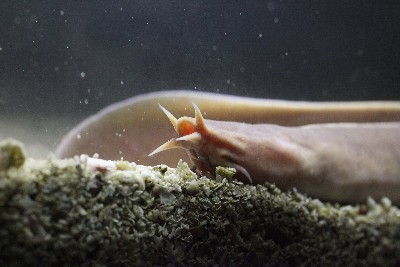



![[l] Professor John Iredale; [r] Professor Ronald Hutton](/media-library/sites/news/2023/december/nyhonours-thumb.jpg)


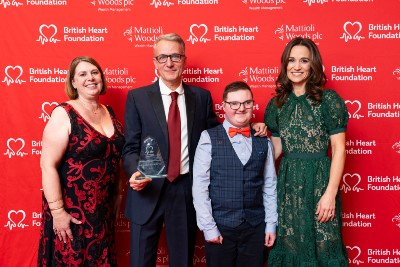
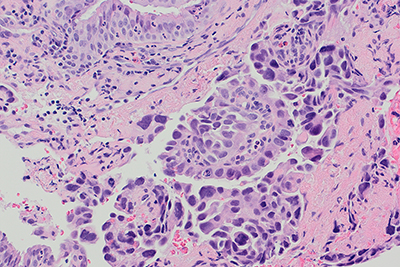







.jpg)

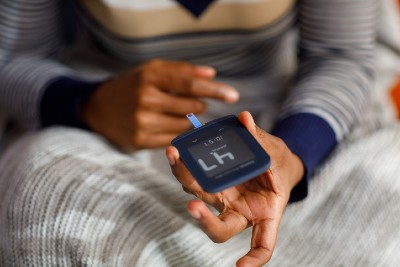






.jpg)



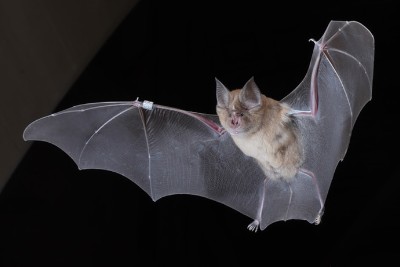
.jpg)













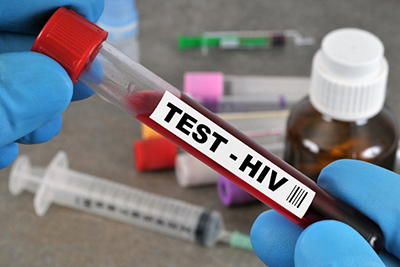

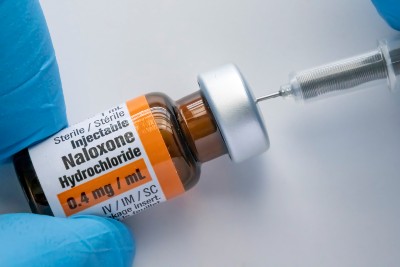
![Generic image of a doctor with a patient [iStock]](/media-library/sites/news/2023/august/surgeon-thumb.jpg)

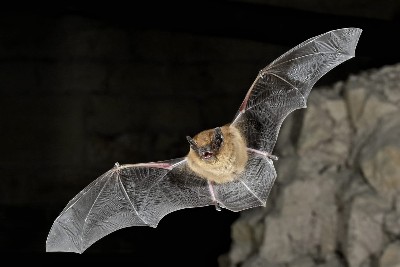


.png)