Translational Health Sciences

Global gaps in use of two life-saving antenatal treatments for premature babies, reveals worldwide analysis

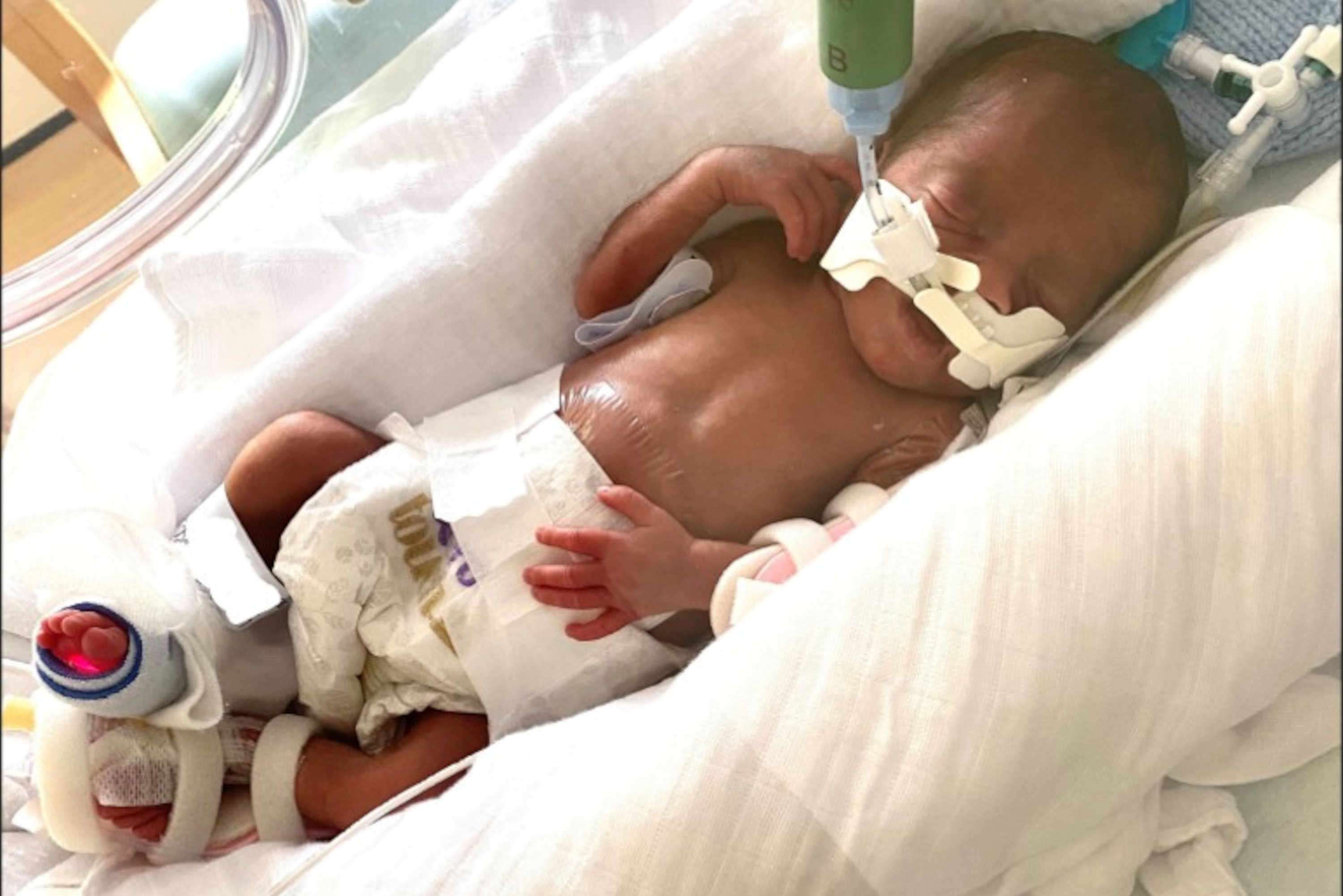
A new global analysis of two antenatal treatments that reduce the risk of cerebral palsy and respiratory complications in premature babies reveals significant international variation in implementation. The University of Bristol-led study, published in the International Journal of Obstetrics & Gynaecology today [25 February], examined neonatal data from over 300,000 premature births across ten countries.

Depression and antidepressants are associated with an increased risk of venous thromboembolism

In the first review of its kind, new research has found that depression and the use of antidepressants are each associated with an increased risk of venous thromboembolism (VTE). The study led by academics from the Musculoskeletal Research Unit at the University of Bristol has also shown that each of the various classes of antidepressant medications are associated with an increased risk of VTE.

Patients undergoing hip replacement may be at lower risk of infection with better optimisation before surgery and certain types of operation

Researchers from the Musculoskeletal Research Unit at the University of Bristol have identified the most important risk factors for developing severe infection after hip replacement. Patients who are under 60 years of age, males, those with chronic pulmonary disease, diabetes and a higher body mass index are at increased risk of having the joint replacement redone (known as revision) due to infection. The research also showed that some patients are at risk of early infection whilst others are more prone to late infection after hip replacement.