University launches Climate Action Plan
The University of Bristol has refreshed its approach to sustainability and climate action with a focus on collaboration across the institution to support climate goals now and in the future.
The University of Bristol has refreshed its approach to sustainability and climate action with a focus on collaboration across the institution to support climate goals now and in the future.
The University of Bristol has refreshed its approach to sustainability and climate action with a focus on collaboration across the institution to support climate goals now and in the future.
How sperm whale vocal dialects evolve as they adopt new calls while still remembering the old, has been shown in new research by an international team of researchers, led by the University of St Andrews and including the University of Bristol.
Pterosaurs, the first vertebrates to fly, would have had more diverse wing shapes than current scientific reconstructions suggest, according to new University of Bristol-led research. The study is published in the journal Paleobiology today [23 June].
Coral reef ecosystems, widely seen as a climate change bellwether, are more complex than previously understood. A new international study by the universities of Bristol, Wuhan in China and Erlangen-Nuremberg, Germany, reveals that the evolutionary advantage of coral-algae symbiosis is not fixed; it depends entirely on environmental context.
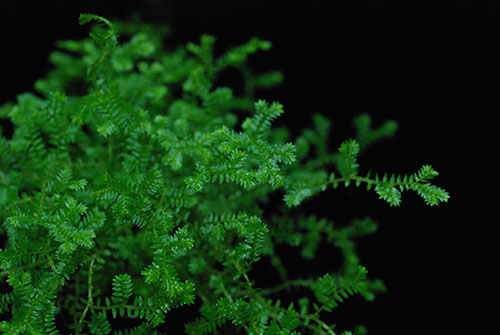
A moss gene previously thought to have been inactive actually plays a key role in their evolutionary success, researchers from the University of Bristol have discovered.
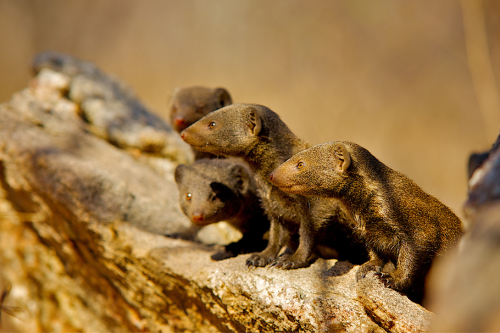
Dwarf mongooses anticipate encounters with rival groups and adjust how they move, communicate and defend resources beforehand, according to new research from the University of Bristol.
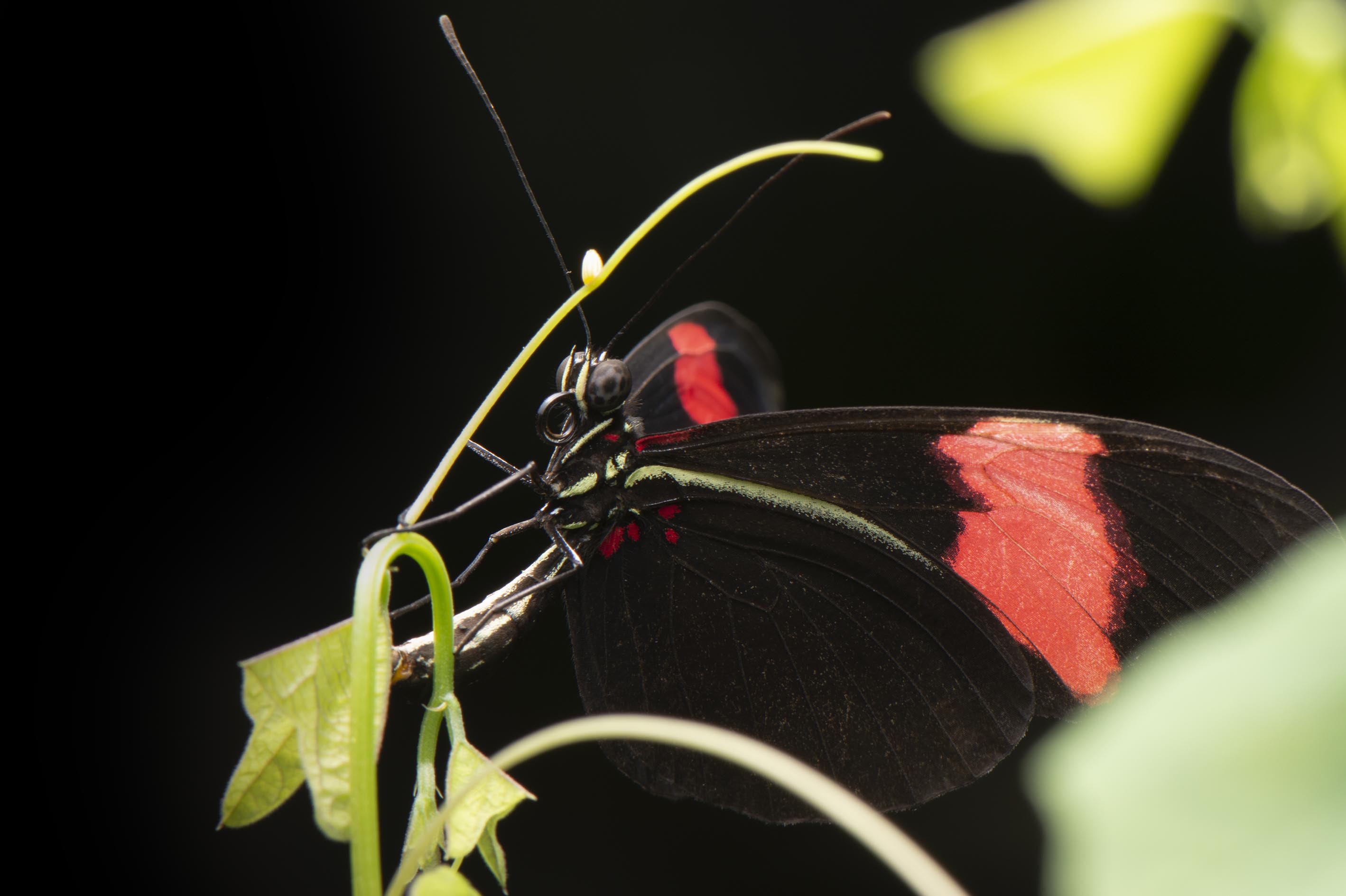
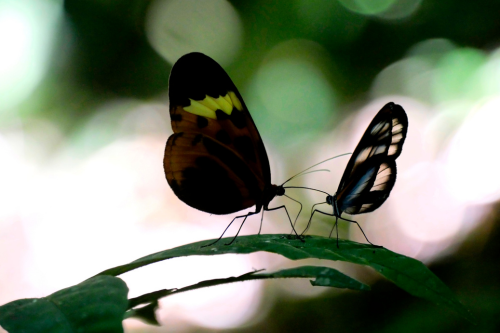
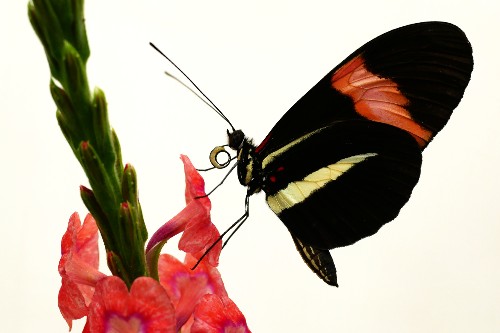
A tropical butterfly has evolved an ingenious anti-ageing strategy by delaying the ageing process enabling it to live far longer than its closest relatives, according to a new University of Bristol-led study published in Nature Communications today [16 June].
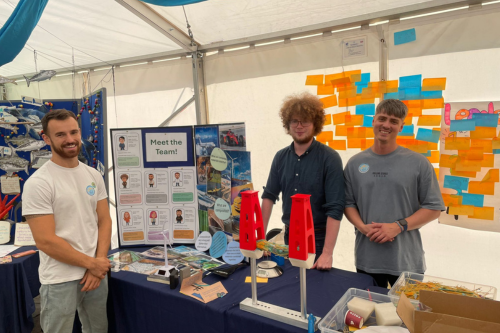
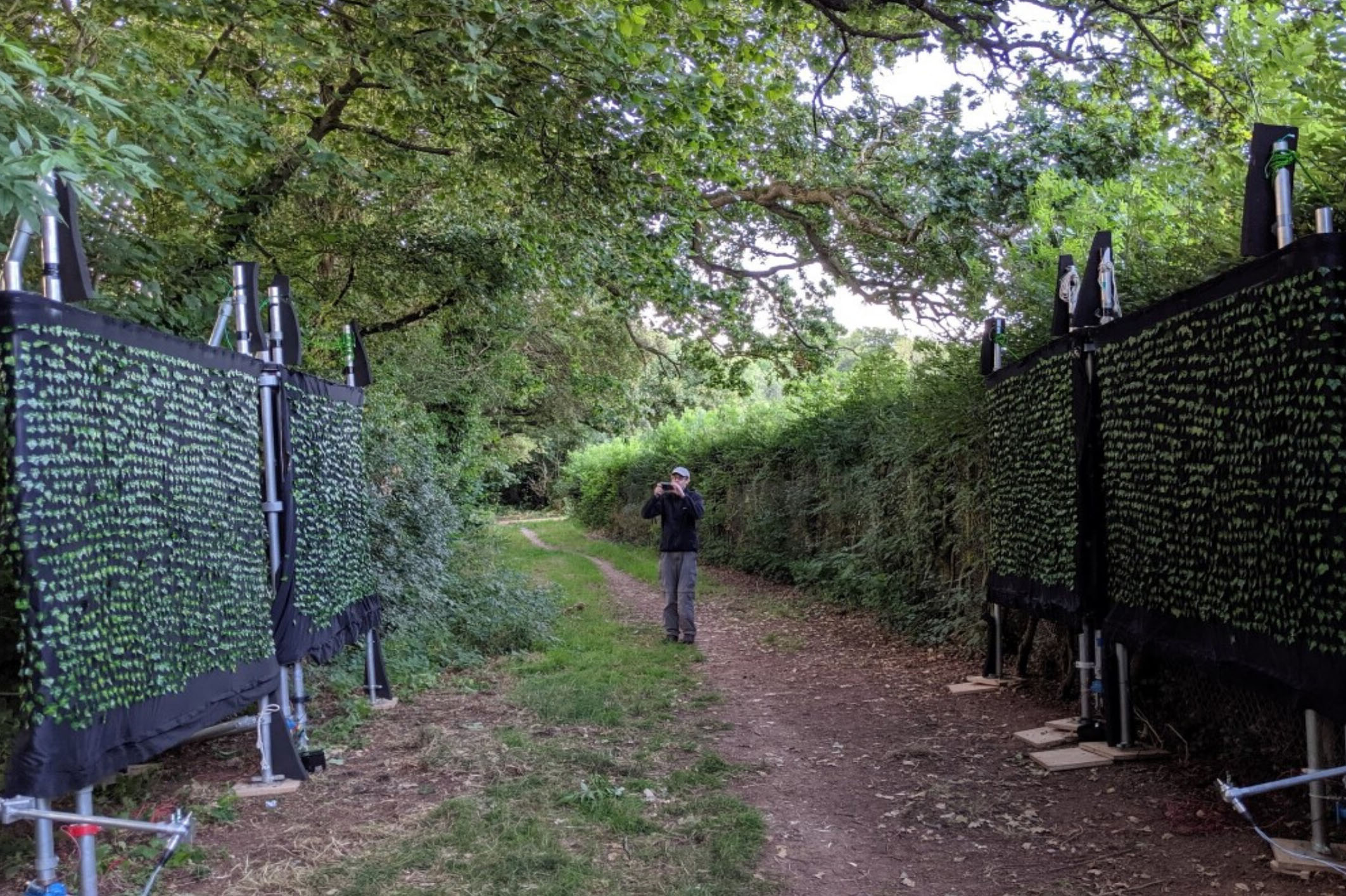
Academics and researchers from the University of Bristol will come together with artists at this year’s Festival of Nature, the UK’s largest free celebration of the natural world.
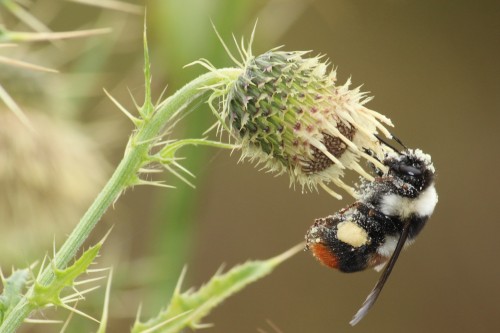
Biodiversity loss is directly threatening human health and welfare, according to new research led by the University of Bristol. The study, published in Nature today [6 May] reveals, for the first time, how the decline of insect pollinators undermines essential ecosystem services that support human nutrition and livelihoods. Biodiversity also plays a vital role in supporting people’s everyday health and resilience, too.
Even the giant wings of the albatross are not ‘optimally’ shaped for their extraordinary long-distance migrations, according to new University of Bristol research.
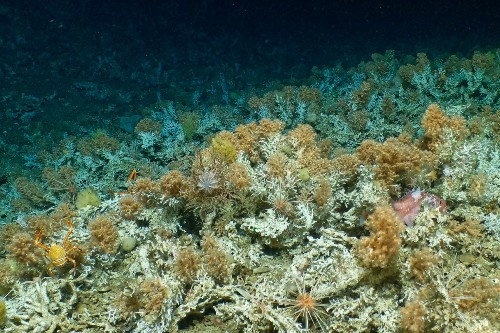
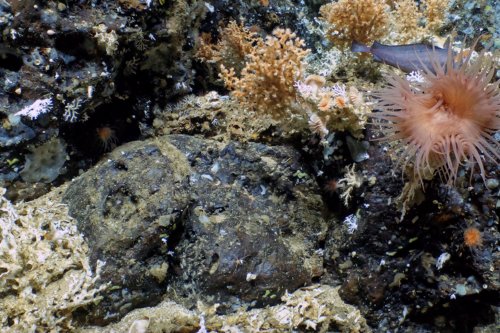
Scientists have discovered that deep-water corals in the Galápagos region vanished for more than 1,000 years before eventually recovering. The findings reveal that deep-water coral ecosystems may be more susceptible to climate change than previously thought.
Dr Les Strong, a lecturer and senior lecturer in Insect Biology at the University of Bristol from 1966 to 1999, passed away on 15 January. His former research collaborator, Professor Richard Wall, shares his recollections.
We’re inviting community organisations - such as wildlife trusts, community gardens and farms, local green charities, neighbourhood environment groups and eco‑education CICs - to co‑create research projects with our MSci students in Biology, Zoology and Plant Sciences.
Entry to the University of Bristol’s Botanic Garden will be donation only on weekdays throughout 2026 – with no fixed entry price.
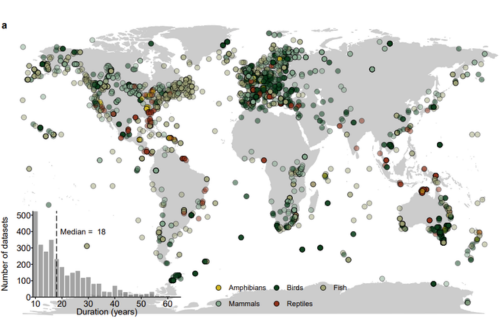
Efforts to stop declines in vertebrate wildlife populations should aim to address multiple threats simultaneously, rather than focusing on pressures one by one, a new study led by the University of Bristol has found.
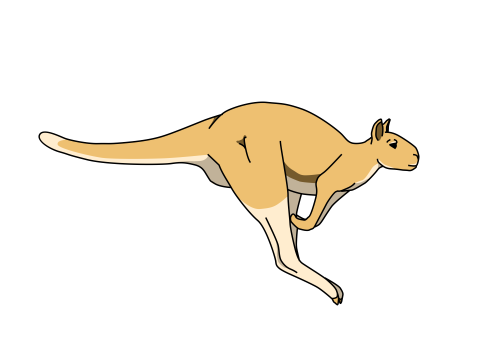
Scientists studying the fossil remains of giant prehistoric kangaroos have found that even animals weighing more than 200kg may not have been too big to bounce, overturning long-held assumptions about the limits of hopping.
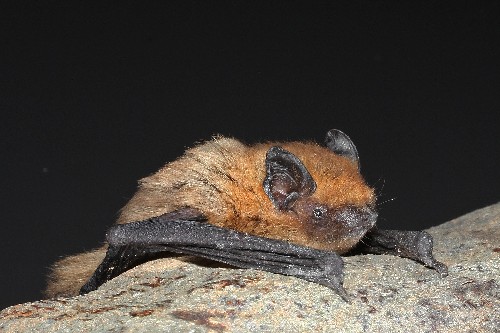
A long-standing mystery about how wild bats navigate complex environments in complete darkness with remarkable precision, has been solved in a new University of Bristol-led study. The findings are published today [21 January] in Proceedings of the Royal Society B.
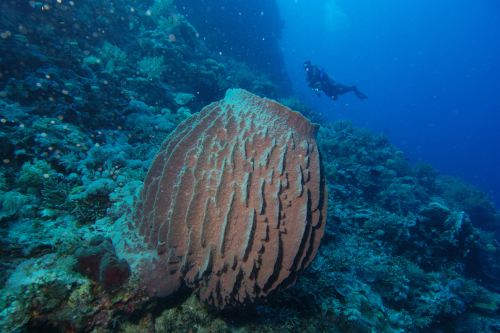
Sponges are among earth’s most ancient animals, but exactly when they evolved has long puzzled scientists. Genetic information from living sponges, as well as chemical signals from ancient rocks, suggest sponges evolved at least 650 million years ago.
A University of Bristol professor has won a prestigious national award for outstanding support and mentorship in science.
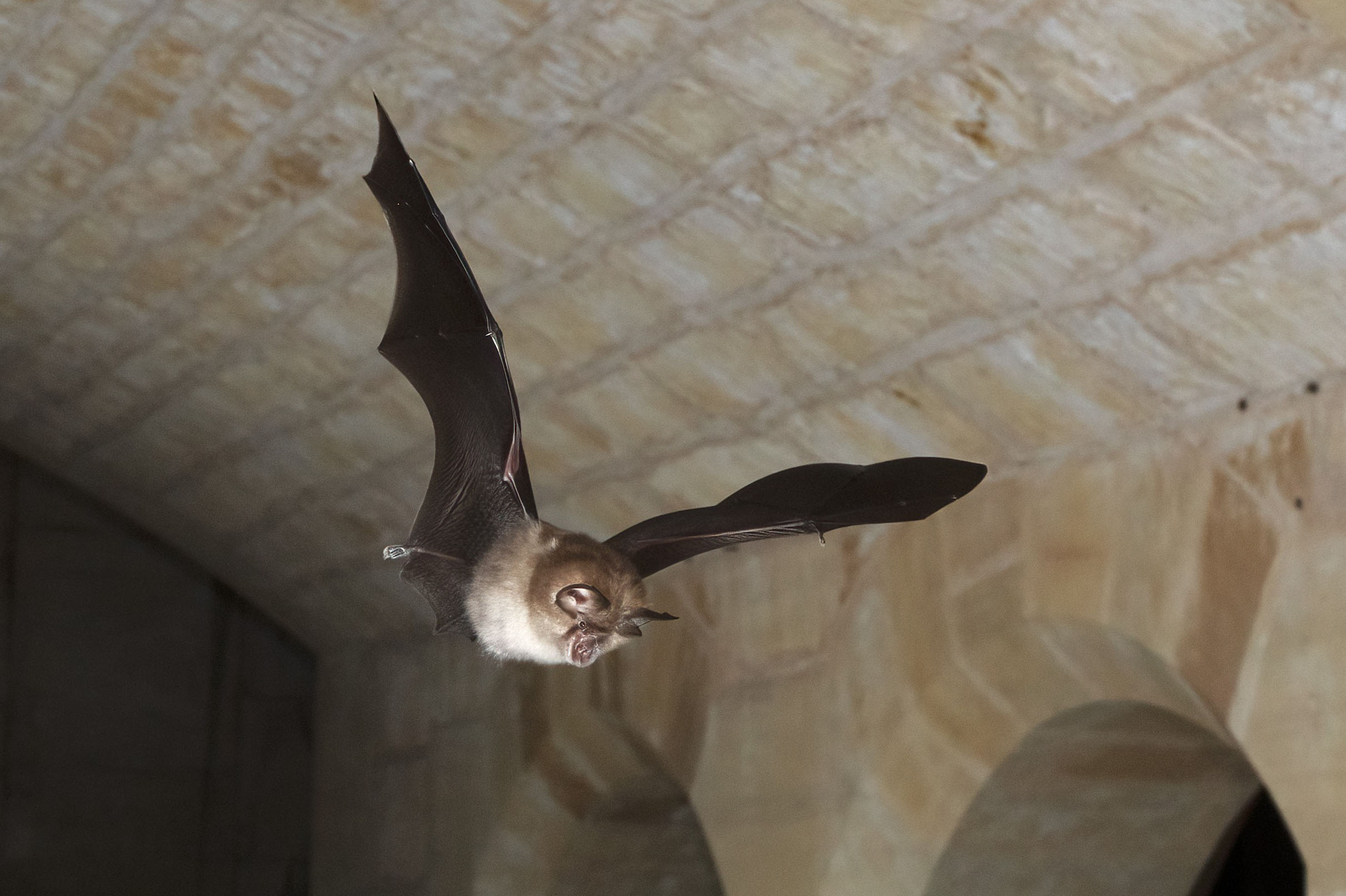
Is it better to have children early or later in life, and does parenthood accelerate ageing? Researchers at the University of Bristol and University College Dublin have tackled these questions by studying an exceptional population of long-lived Greater horseshoe bats.
Complex life began to develop earlier, and over a longer span of time, than previously believed, a groundbreaking new study has revealed. The research sheds new light on the conditions needed for early organisms to evolve and challenges several long-standing scientific theories in this area.
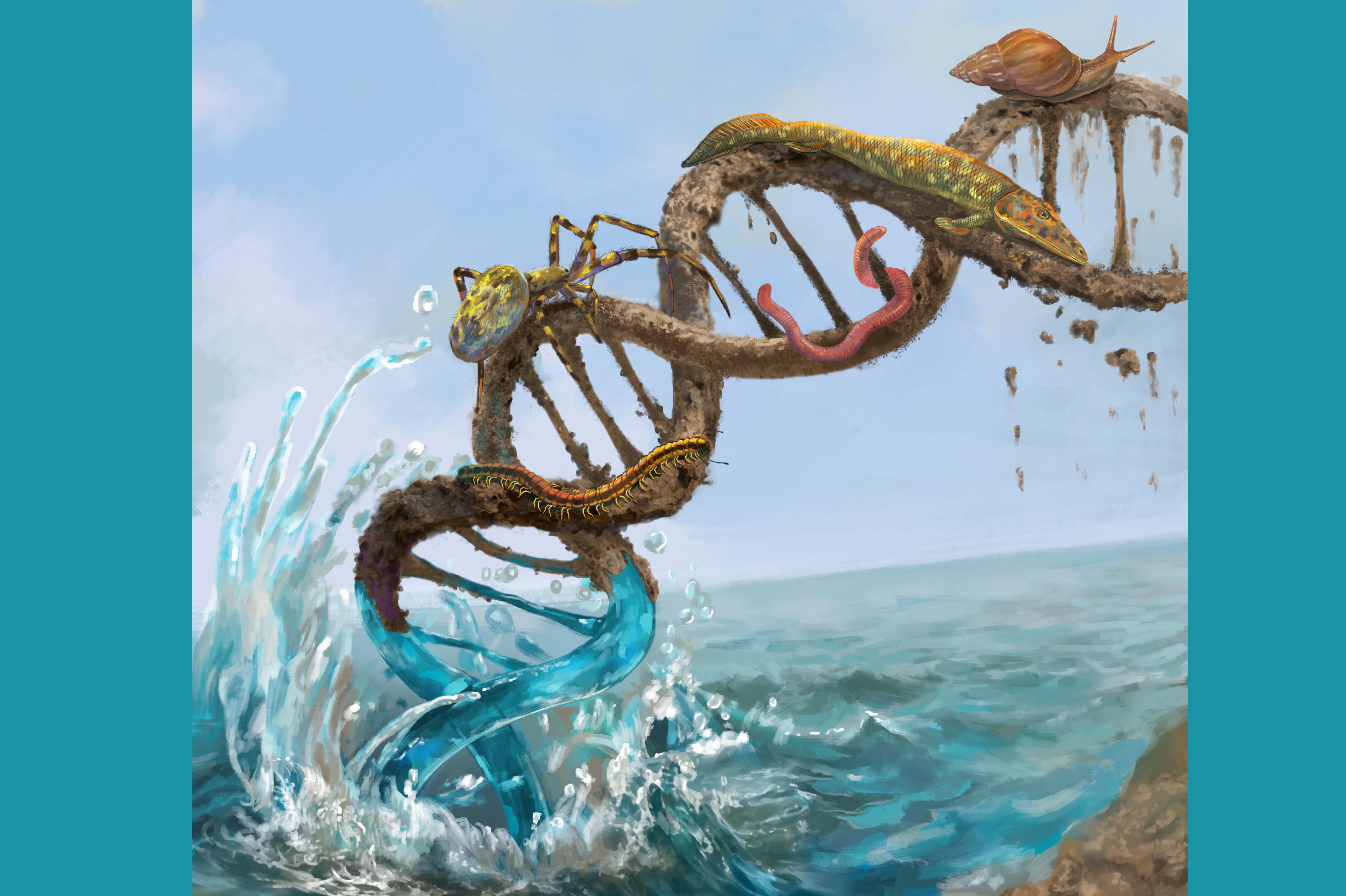
Animals from completely different branches of the tree of life such as insects, worms and vertebrates independently evolved similar genetic solutions to survive on land, according to a new study from researchers at the University of Bristol and University of Barcelona.
A team of University of Bristol experts are poised to join the 30th United Nations Conference of the Parties, better known as COP30, which starts this week in Brazil and will push forward global climate solutions.
Ants make a series of clever architectural adjustments to their nests to prevent the spread of disease, University of Bristol research has uncovered.
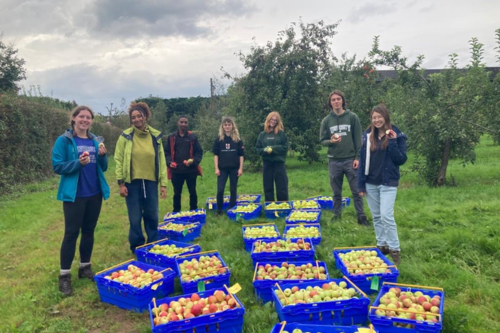
The University of Bristol Botanic Garden will once again host Apple Day on Sunday 5 October, a community celebration that transforms surplus garden apples into something truly Bristolian - cider.
A combination of leading research and a charming cosmopolitan city has seen the University of Bristol secure a place in the UK’s top 10 in The Times and Sunday Times Good University Guide 2026.
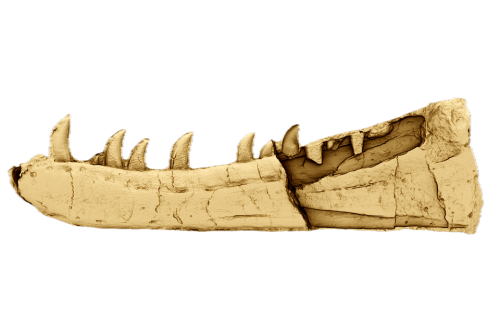
Paleontologists at the University of Bristol have officially identified a new species of dinosaur from Triassic fossil beds in South Wales, near Penarth – more than 125 years after the specimen was initially reported.
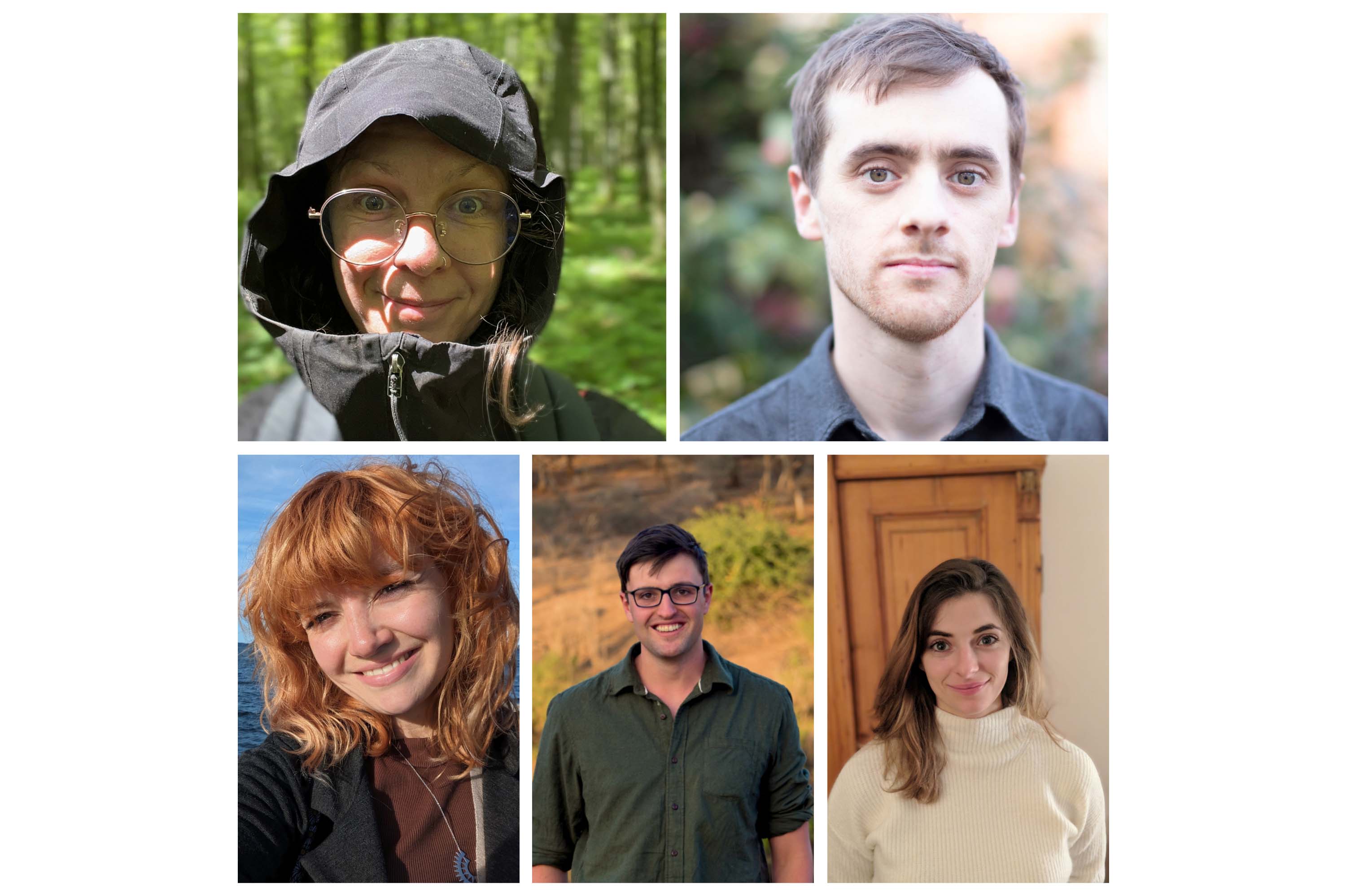
Five University of Bristol early-career researchers have been awarded prestigious European Research Council (ERC) Starting Grants totalling €10 million to pursue their pioneering research.
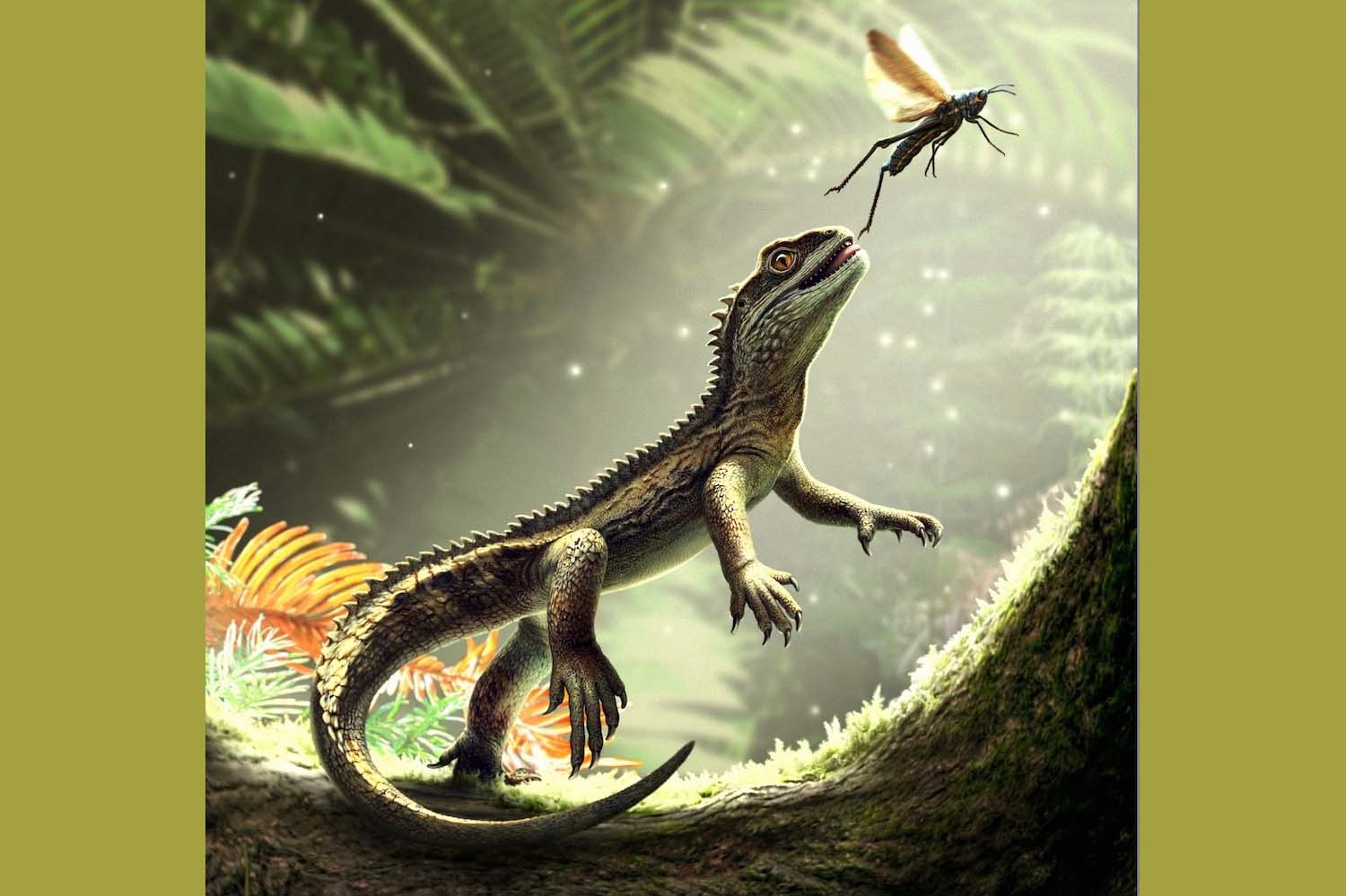
A new fossil from Devon reveals what the oldest members of the lizard group looked like, and there are some surprises, according to a research team from the University of Bristol. The study is published today [10 September] in Nature.
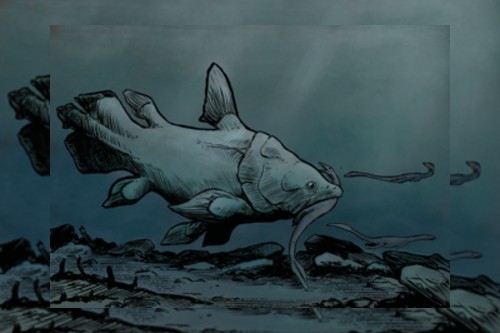
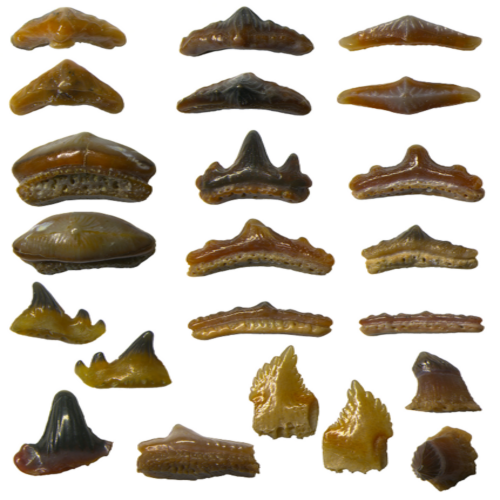
The modern coelacanth is a famous ‘living fossil’, long thought to have died out, but first fished out of deep waters in the Indian Ocean in 1938. Since then, dozens of examples have been found, but their fossil history is patchy. In a new study, Jacob Quinn and colleagues from the University of Bristol and University of Uruguay in Montevideo have identified coelacanths in museum collections that had been missed for 150 years.
The University of Bristol has received a top accolade in the Daily Mail University Guide, being named Research University of the Year 2026 for ‘constantly pushing at the boundaries of human knowledge’.
Could detecting static electricity be a factor in explaining why treehopper insects have evolved such bizarre body shapes?
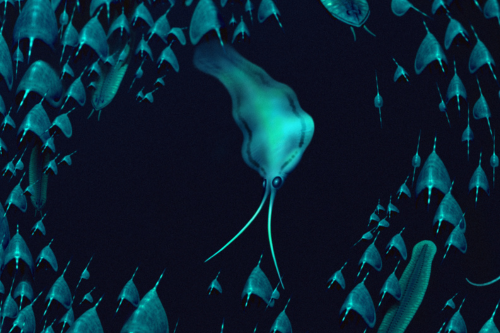
Remarkable fossils found in North Greenland have helped researchers solve a 500-million-year-old puzzle surrounding squid-like ancestors.
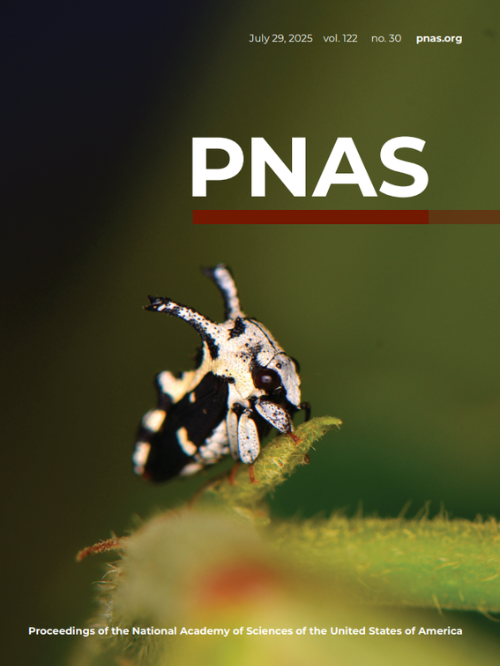
Butterflies that independently evolved the same wing patterns have also evolved similar eyes and brains which are fine-tuned for vision in the shifting light of tropical rainforests, according to new research led by the University of Bristol published in PNAS this week.
A student who suffered a serious spinal cord injury, leaving him with chronic pain that threatened not just his career but his daily life and passion for sports, has graduated from the University of Bristol with a first-class master’s degree in Biological Sciences.
Twenty-seven subjects taught at the University of Bristol are in the top ten of UK universities, according to a new ranking.
The University of Bristol has become the first institution globally to certify all of its laboratories at Silver level through the Laboratory Efficiency Assessment Framework (LEAF)—a landmark achievement in the journey toward more sustainable research practices.
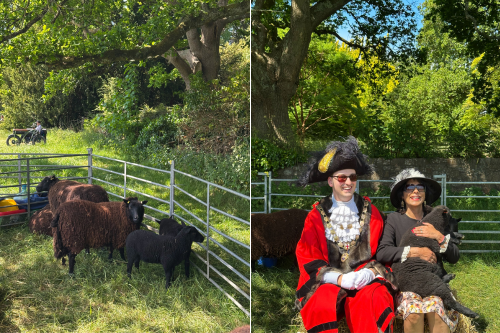
The Downs will remain as a protected common land for the people of Bristol – and it is all courtesy of some hungry sheep.
Pioneering research has repurposed a gene editing tool to help shed light on the true biodiversity present in natural environments.
Art and nature will be on display this weekend at the University of Bristol Botanic Garden annual Easter Sculpture and Arts Festival. The event will also celebrate 20 years of the garden being at The Holmes in Stoke Bishop.
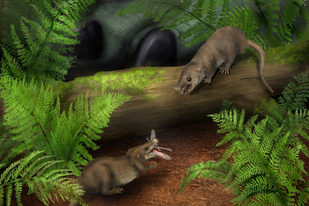
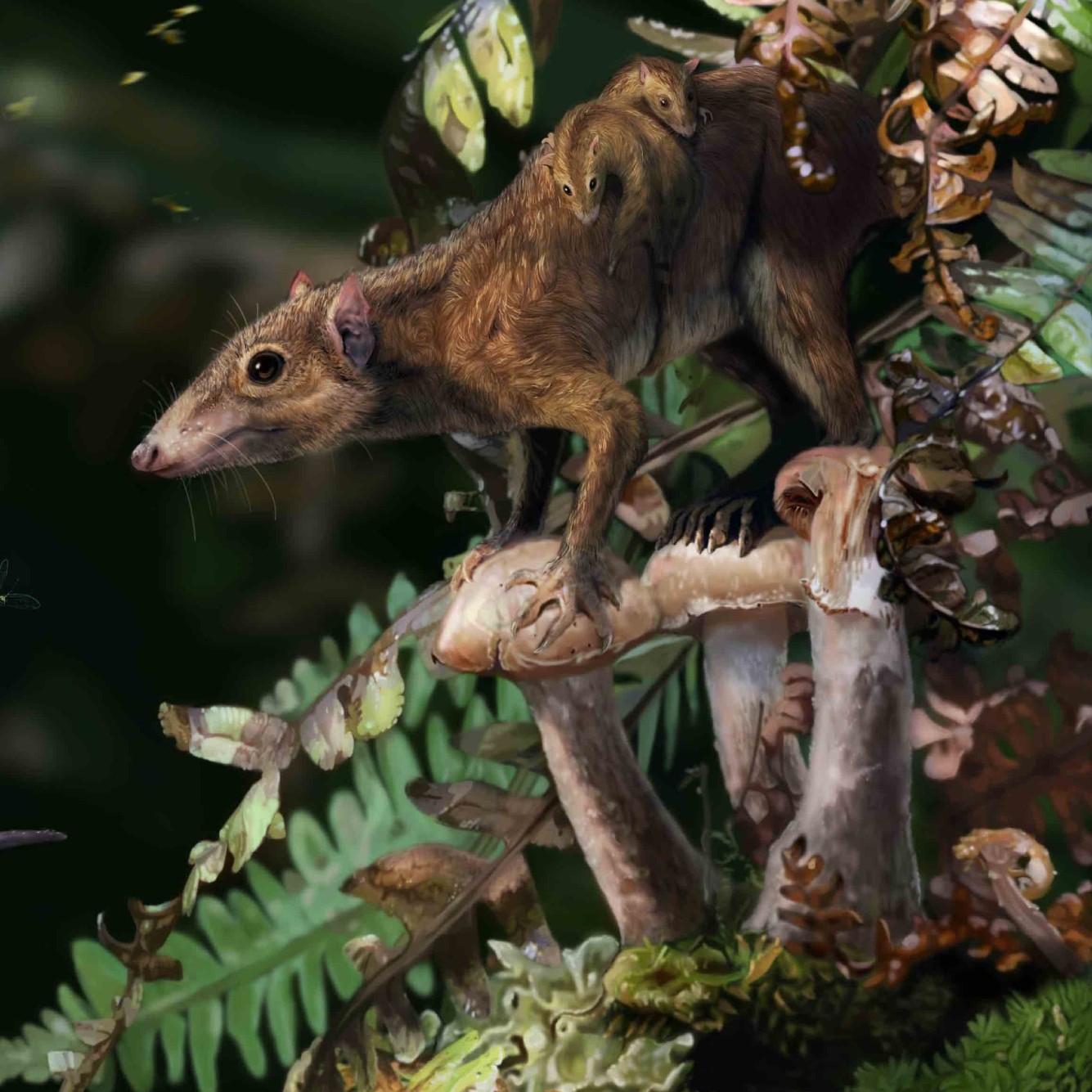
More mammals were living on the ground several million years before the mass extinction event that wiped out the dinosaurs, new research led by the University of Bristol has revealed.
Two Palaeontology and Evolution students from the University of Bristol have undertaken the first ever study which describes the incredible range of fossils which were sucked into a Neptunian dyke, a deep, fissure like cave on the ancient coastline.
Students tackling period poverty and promoting LGBTQ+ creatives were among those celebrated at the 2025 Outstanding PLUS Awards.
The renowned academic scientific journal PNAS has named a University of Bristol research paper providing insight into a fascinating method used by caterpillars to detect predators as one of the best it published in 2024.
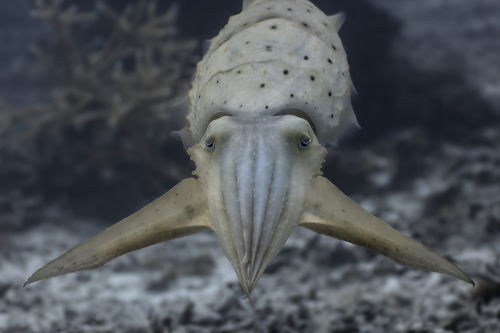
While sneaking up on prey, cuttlefish employ a dynamic skin display to avoid detection in last moments of approach, researchers at the University of Bristol have found.
Ancient frog relatives survived the aftermath of the largest mass extinction of species by feeding on freshwater prey that evaded terrestrial predators, University of Bristol academics have found.
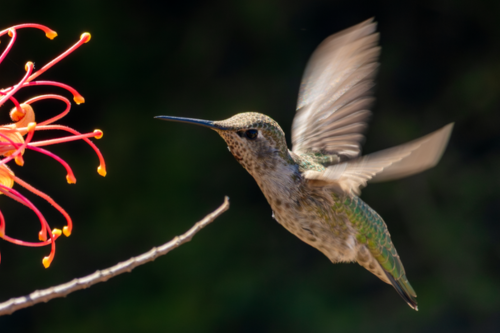
Mites who hitchhike on the beaks of hummingbirds use a surprising method to help them on their journey - electricity.
A University of Bristol alumnus and honorary research fellow has been awarded a British Empire Medal (BEM) in recognition of services to bat conservation spanning more than six decades.
Two University of Bristol professors have been presented awards by the Palaeontological Association for their contributions to academia, outreach and human knowledge.
Three University of Bristol professors have been appointed to a panel which will shape the UK’s academic research.
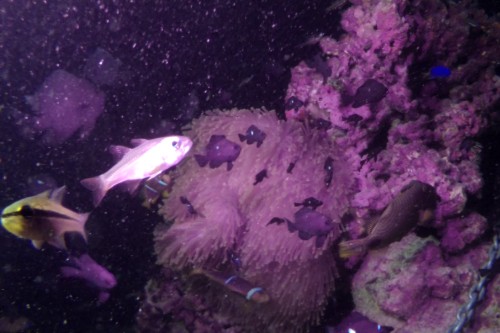
Artificial light can wake sleeping fish and attract predators, changing nighttime coral reef communities, according to new research using novel underwater infrared cameras.
The University of Bristol is the 12th most sustainable university in the world, according to the 2025 QS World Sustainability Rankings.
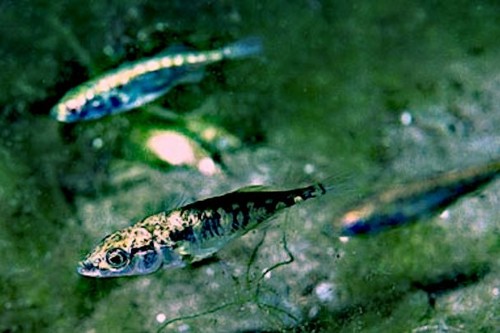
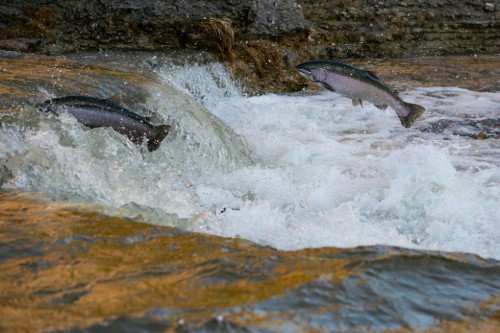
Freshwater fish populations that dwell nearer the poles are outperforming their equatorial counterparts, researchers have found.
The University of Bristol will be among the beneficiaries of £36m in funding announced today [13 November] to support the next generation of researchers across the South West and Wales aiming to solve some of the most pressing challenges around environmental change and biology.
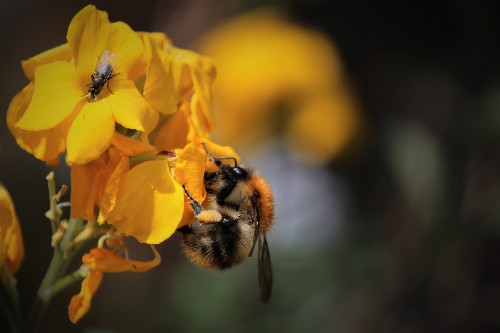
Gardens offer a steady and reliable source of nectar all year round, helping to keep pollinators fed when farmland sources are limited, researchers have discovered.
A species of tropical butterfly with unusually expanded brain structures display a fascinating mosaic pattern of neural expansion linked to a cognitive innovation.
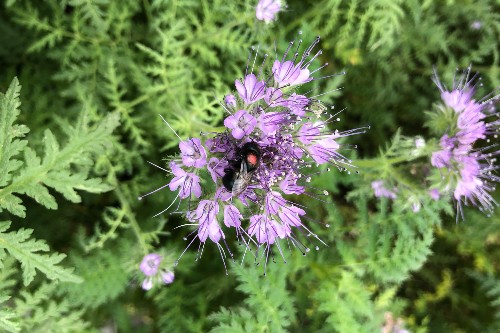
A novel pesticide thought to be a potential successor to banned neonicotinoids caused 100% mortality in mason bees in a recent test.
Animal offspring may survive better when their groups are in greater conflict with rival factions, research from the University of Bristol has shown for the first time.
Tom Pitman, our GroDome manager, has eventually decided to hang up his green labcoat and secateurs and head for his own potting shed, joining the community of the retired.
Benjamin Franklin famously stated ‘in this world nothing can be said to be certain, except death and taxes’. But why are we ‘born to die’ and what mechanisms underpin the gradual decline in biological functions (senescence) in living organisms, and ultimately their death? We are at an exciting point in ageing research: a Universal Mammalian Clock Chip has been developed using data on DNA methylation (DNAm) from a wide range of mammals and tissue types to predict the chronological age of any mammal species accurately from a single equation, also showing how DNAm changes in predictable ways over an animal’s life. Two new papers1,2 provide remarkable insights into ageing. The findings reveal great potential for estimating a mammal’s chronological age when it is not known, for understanding why some individuals age faster than expected for their chronological age, and for understanding factors affecting the large variation in the lifespans of different mammal species.
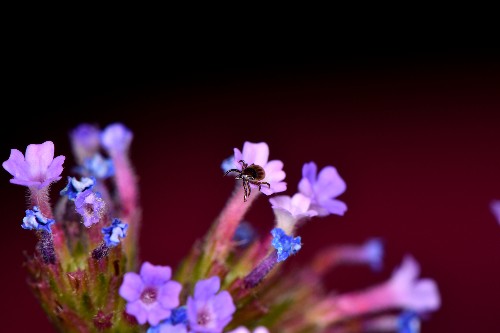
Ticks can be attracted across air gaps several times larger than themselves by the static electricity that their hosts naturally accumulate, researchers at the University of Bristol have discovered.
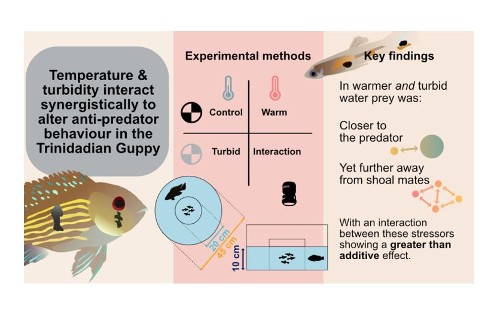
Changes in water conditions interact to affect how Trinidadian guppies protect themselves from predators, scientists at the University of Bristol have discovered.
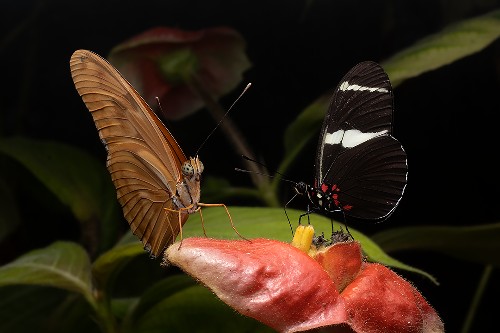
Heliconius butterflies’ brains grew as they adopted a novel foraging behaviour, scientists at the University of Bristol have found.
Bat activity falls as farms make the transition to organic agriculture, new research shows.
A University of Bristol academic who has provided insight into how networks of interactions between species impact the environment has been elected as a Fellow of the Royal Society.
Social animals should limit individuality to conform with the behaviour of the group, a University of Bristol study has found.
The previously hidden and diverse underwater acoustic world in British ponds has been revealed by a team of researchers at the University of Bristol.
Scientists from the University of Bristol are part of an expedition which has made a ground-breaking discovery of extensive, ancient deep-sea coral reefs within the Galápagos Marine Reserve (GMR).
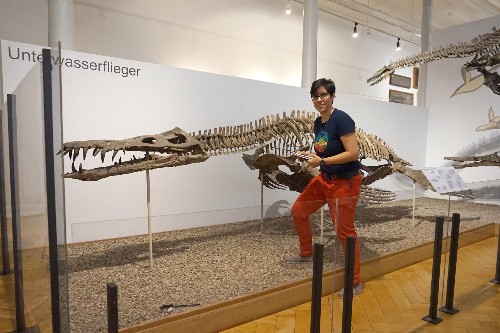
The diverse swimming techniques of the ancient reptiles that ruled the Mesozoic seas have been revealed for the first time by scientists at the University of Bristol.
Ancestors of modern mammals evolved into one of the most successful animal lineages by starting out small and simple, researchers have found.
A new discovery by scientists at the University of Bristol changes ideas about the origin of branching in plants.
An analysis extending from southern Portugal to northern Norway highlights the importance of temperature in determining where fish species are found.
An international panel of scientists have identified 100 of the most important questions facing plant science. The international initiative has identified key research priorities and highlights the importance of diversity, collaboration, and funding for plant research to tackle climate change, the biodiversity crisis and sustainable food production.
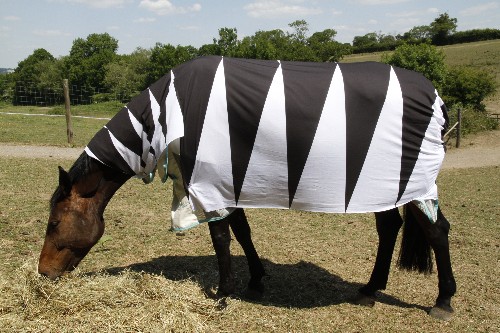
Researchers at the University of Bristol have found why zebra fur is thinly striped and sharply outlined.
The earliest dinosaurs included carnivorous, omnivorous and herbivorous species, according to a team of University of Bristol palaeobiologists.
Pheasants are most likely to be killed by predators on unfamiliar ground, new research shows.
Dolphins working collaboratively are less successful in the presence of sound generated by humans, a University of Bristol-led team of researchers have shown.
A short biography of pioneering scientist Mary Anning, written in the final ten years of her life, has been made public for the very first time.
Although most early dinosaurs were vegetarian, there were a surprising number of differences in the way that these animals tackled eating a plant-based diet, according to a new study by scientists from the Natural History Museum and the Universities of Bristol and Birmingham.
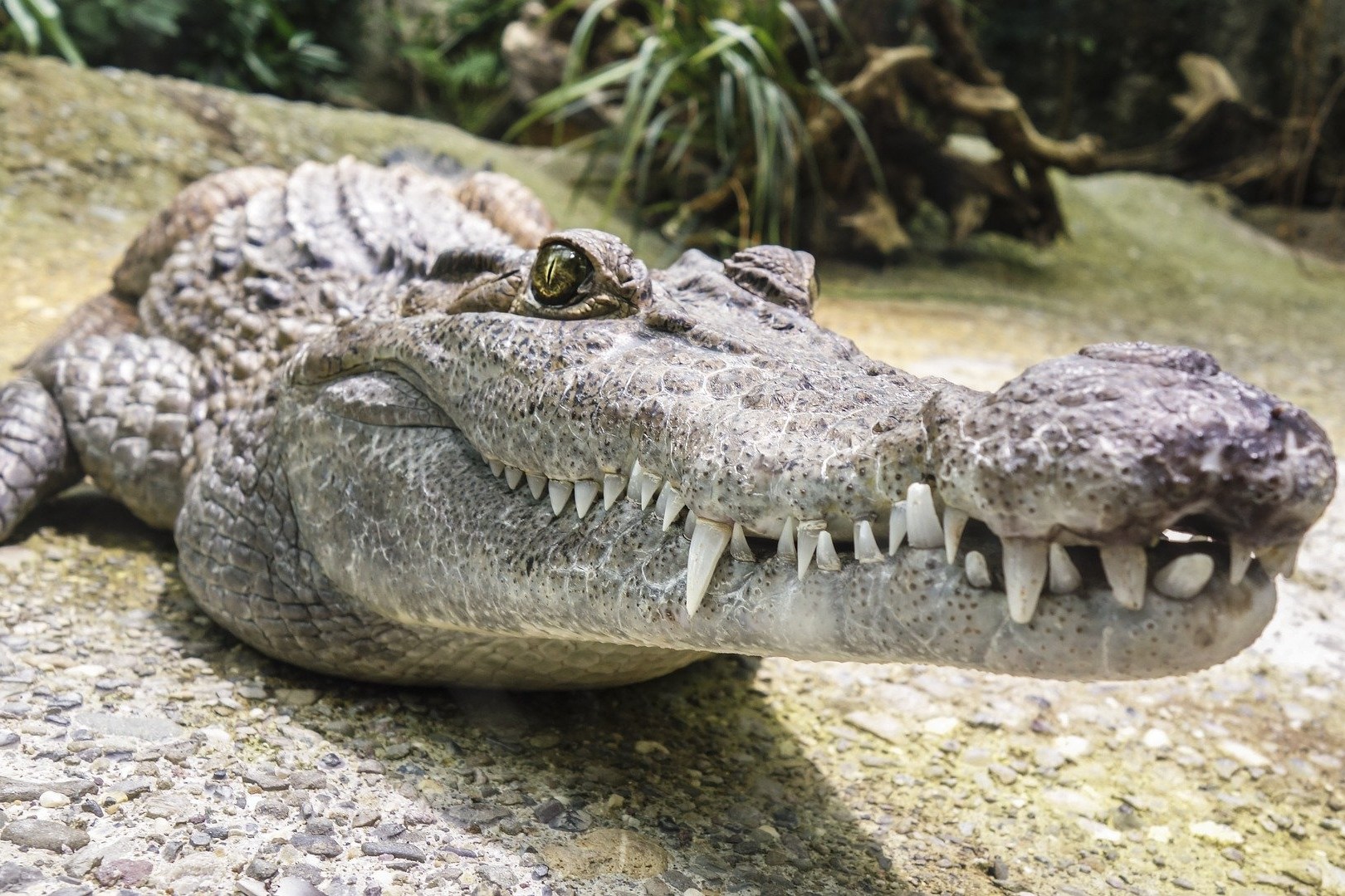
New research by scientists at the University of Bristol explains how a ‘stop-start’ pattern of evolution, governed by environmental change, could explain why crocodiles have changed so little since the age of the dinosaurs.

.png)







.jpg)
.jpg)

.jpg)



 (1).jpg)

.jpg)