University of Bristol Micro-campuses
Micro-campuses are a new model for how universities work with communities on local challenges and opportunities. Each small space brings a huge range of university activity together with partners.
What is a Micro-campus?
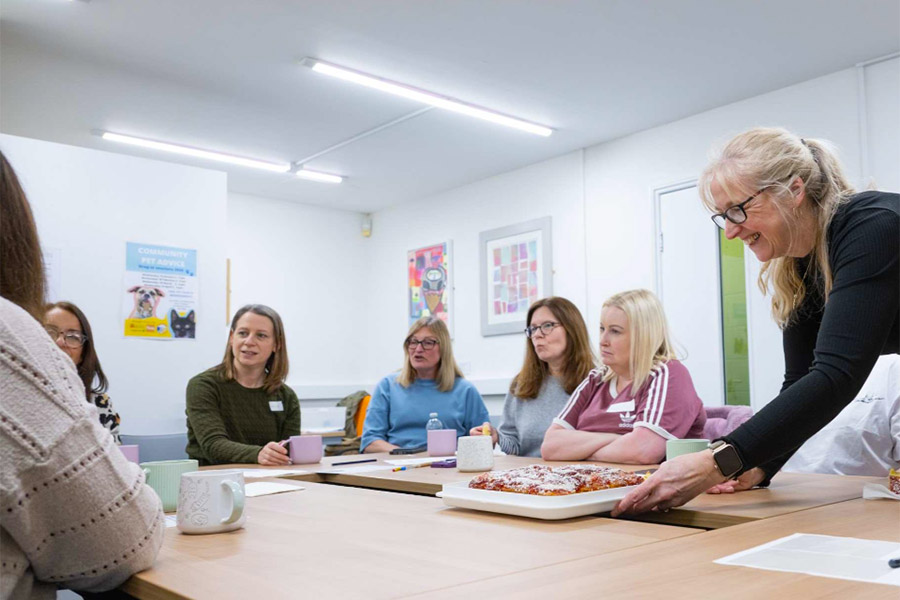
A Micro-campus is a scaled-down university space within existing community buildings where sustained, visible and meaningful presence becomes embedded. Local people come together to engage in the full range of university activities including education, research and enterprise, without needing to overcome the barriers of the traditional university experience.
We meet people where they are, in the heart of their local area. Activity is developed collaboratively with local partners and addresses community needs as they emerge, ensuring the university itself is shaped by - and learns from - local knowledge. Micro-campuses represent a holistic commitment to working with others in a hyper-local way to address local needs, create new lifelong learning opportunities and build the ecosystems to support jobs, growth, and enterprise.
The University of Bristol Micro-campuses are based in Barton Hill, and Hartcliffe and Withywood, two of the wards with the lowest participation in HE in the UK.
Why a Micro-campus?
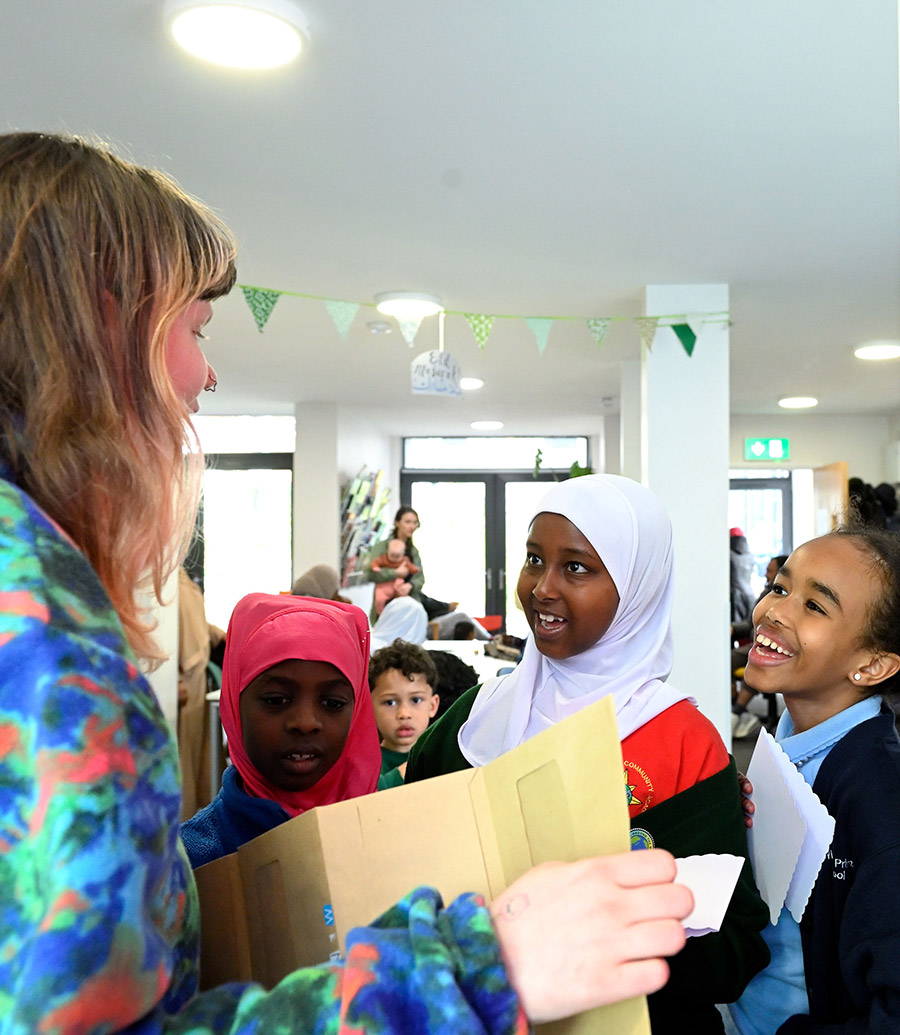
Universities are not a part of everyone’s lives and are not visible in every community. The Micro-campuses aim to bring the University’s activities and resources into locations that have traditionally been underserved. They bring together expertise from the University, communities, businesses, industry and civic organisations to work in practical ways on shared challenges.
This matters for communities, creating opportunities that are shaped by local priorities, and for universities, since facing many of the challenges of our times – on climate, technology, public health and more – require spaces where experience and expertise from across society can meet.
Practical examples demonstrating how universities can benefit society and the communities around them are increasingly important. The Micro-campuses provide an opportunity to test, prove and learn from a more relevant and insightful way of working.
A new model
Our new campus at Temple Quarter Enterprise Zone represents a nationally significant example of modern regional re-industrialisation: how cities, regions, universities and national partners can work together to drive growth, innovation and inclusion, across growth sectors.
Coupled with the hyper-local nature of the Micro-campuses, we have demonstrated how ecosystems within a city can be planned holistically, so that resources are genuinely shared. Creating places where people can live, work, learn and innovate in the same connected neighbourhood brings resources to areas that have traditionally been underserved and allows them to derive real benefit. In this way, the Micro-campus model connects communities with innovation and enterprise opportunities and builds local employer workforce pipelines where they have previously been disconnected.
How it works
Micro-campuses are built around three principles that help create meaningful, long-term impact for communities, learners and partners.
Place-based opportunity and impact
Micro-campuses bring a wide range of university activities into communities with low engagement in higher education, tailored to local needs and strengths. By embedding teaching, research and enterprise locally, they create shared benefits for students, residents and communities.
Collaboration and co-creation
All activity in the Micro-campuses is built on co-design and collaboration, ensuring that university expertise meets the expertise and experience of communities, businesses, and government - whether in the design of new programmes and qualifications, or working together to find innovative solutions to local and national challenges.
Accessible learning and local growth
Long-term local commitments build trust in higher education and widen participation, supporting flexible learning and skills development, innovation and local economic growth. while enriching the university with local knowledge.
Impact stories
Discover how Micro-campuses are creating opportunities, building partnerships and supporting community-led change:
- Skills and opportunity
- Education and lifelong learning
- Research shaped by communities
- Community support and wellbeing
"It's a space where people can feel a sense of community, friendship, support each other. People can hear about local services and suggest ideas... We don't want researchers to come and collect data and go... This is where the universities and the institutions have a role to play to give opportunities to the people who can also become an active partner."
Our Micro-campuses in numbers
- 2
Micro-campuses widening access to learning and opportunity
- 60+
Local and national partners working with our Micro-campuses
- 160+
People engaging with Micro-campus activities each week
- 50+
Hours of activity delivered every week
Skills and opportunity in action
Discover how the Skills for a Changing World micro-qualification is creating new pathways into learning and employment.
"This uni course, it's all about critiquing the data and asking questions, and that's something I felt I'd never been allowed to do before."
Our Micro-campuses
The University of Bristol has two Micro-campuses, located in Barton Hill and Hartcliffe and Withywood.
Barton Hill Micro-campus
A long-established community hub based at Wellspring Settlement, focused on learning, literacy, community connection and co-produced research.
Hartcliffe and Withywood Micro-campus
Based at the Gatehouse Centre, with a strong focus on skills development, progression pathways, employer partnerships and innovative qualifications.
Contact us
Interested in the Micro-campus model?
We're interested in sharing learning, discussing partnerships and exploring how this approach could be adapted in other places.