Stories from a sovereign AI supercomputer
From dementia to dairy farming, financial forecasting to frontier AI safety, teams across the UK have logged millions of GPU hours on Isambard-AI, turning compute into real breakthroughs.
From dementia to dairy farming, financial forecasting to frontier AI safety, teams across the UK have logged millions of GPU hours on Isambard-AI, turning compute into real breakthroughs.
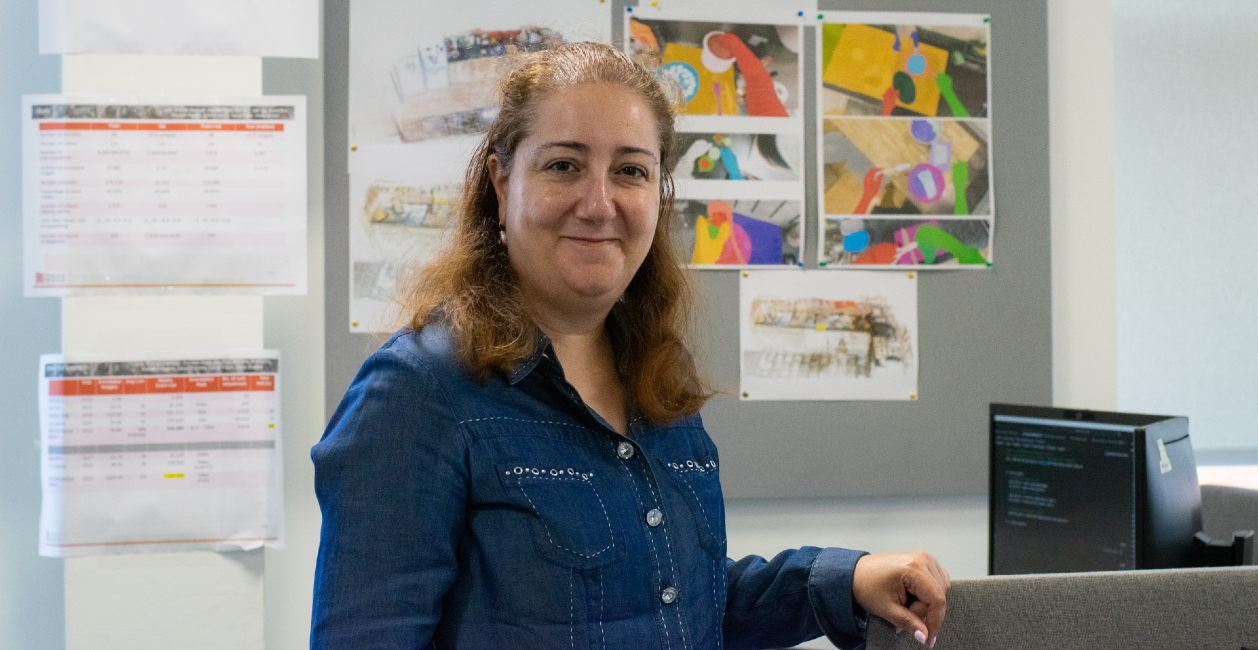
In this article, Hewlett Packard Enterprise speak to University of Bristol researchers, who are building AI models that power predictive assistance tools to help people complete daily tasks on their own and maintain independence.
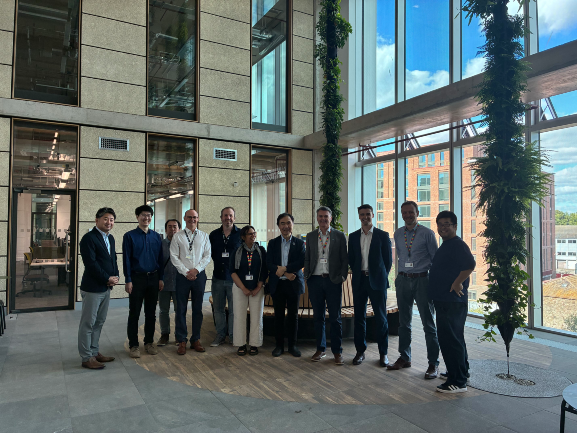
Globally influential figures in the world of AI supercomputing, from Japan and the UK, brought their teams together to forge closer personal connections, share challenges and explore innovations.
Ask every person on Earth, all 8bn, to do one calculation every second, all day, every day, for 80 years. That's what it would take to match what Isambard-AI can do in a single second. It's the analogy Professor Simon McIntosh-Smith reaches for when he wants to explain how much computing power the supercomputer holds.
From dementia to dairy farming, financial forecasting to frontier AI safety, teams across the UK have logged millions of GPU hours on Isambard-AI, turning compute into real breakthroughs.
In this article, Hewlett Packard Enterprise speak to Isambard-AI user, Eghbal Rahimkia, Assistant Professor in Financial Technology, Alliance Manchester Business School at the University of Manchester, as a part of their Digital Game Changers series.
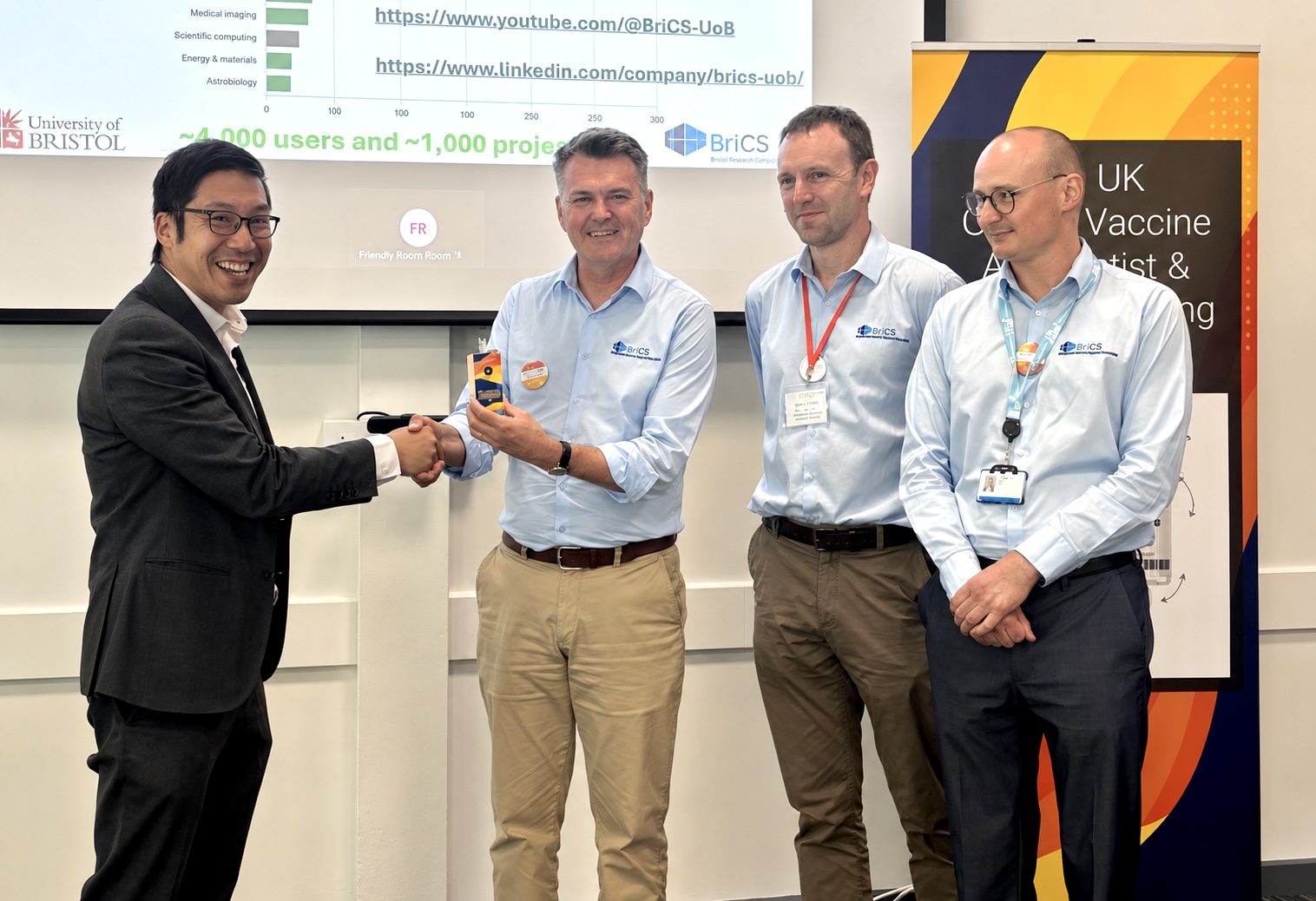
The UK Cancer Vaccine AI Scientist & Supercomputing Project has presented its National Infrastructure Excellence Award to the Bristol Centre for Supercomputing (BriCS) team, recognising their outstanding contribution to advancing artificial intelligence, scientific discovery and cancer vaccine research across the United Kingdom.
Isambard-AI has been developed using open-source software, open standards and community-driven technologies. This approach provides the flexibility to adopt future innovations without rebuilding the entire platform.
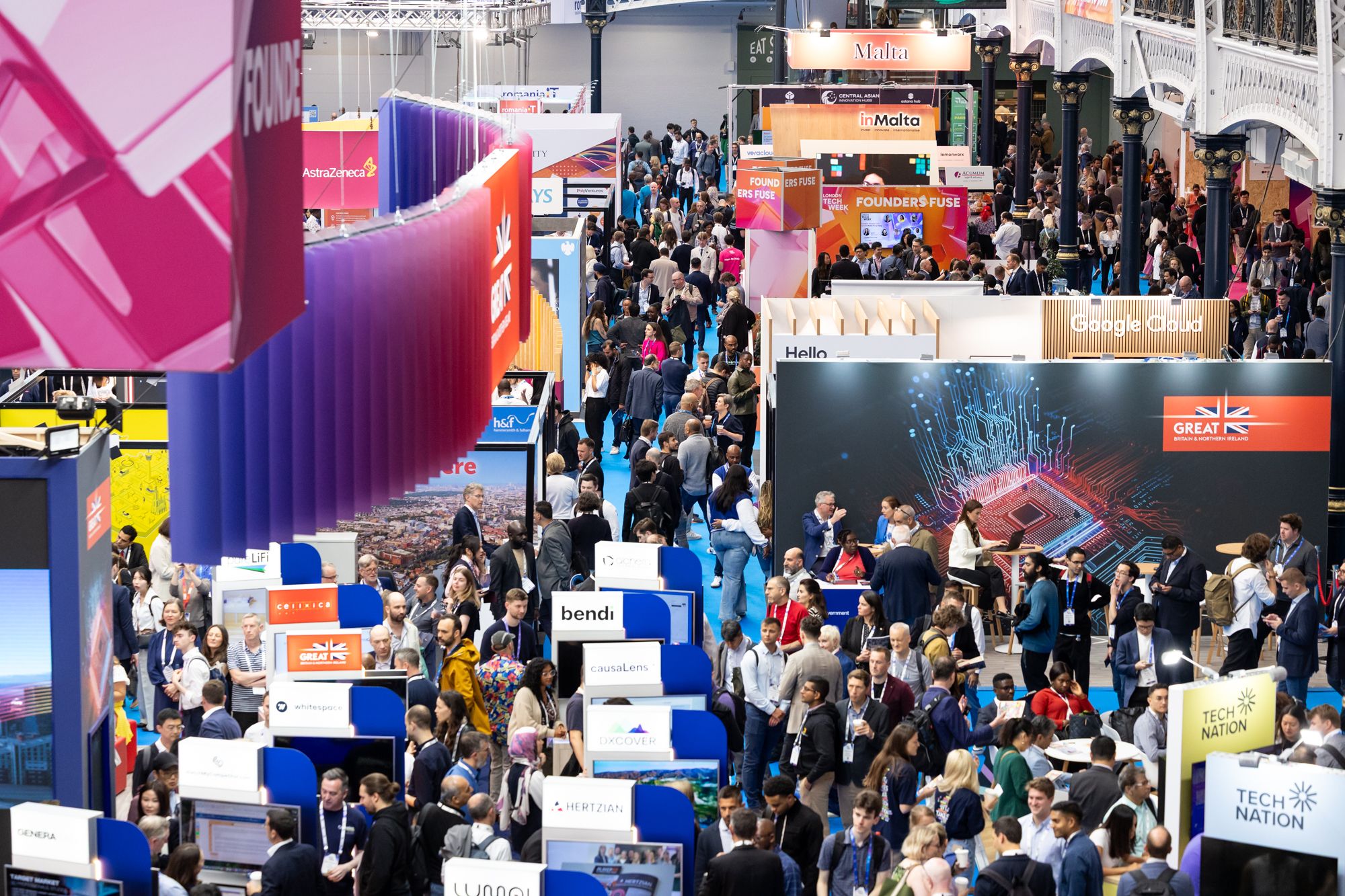
BriCS User Engagement Manager, Andy Hazell, writes up the key announcements and headlines from London Tech Week 2026
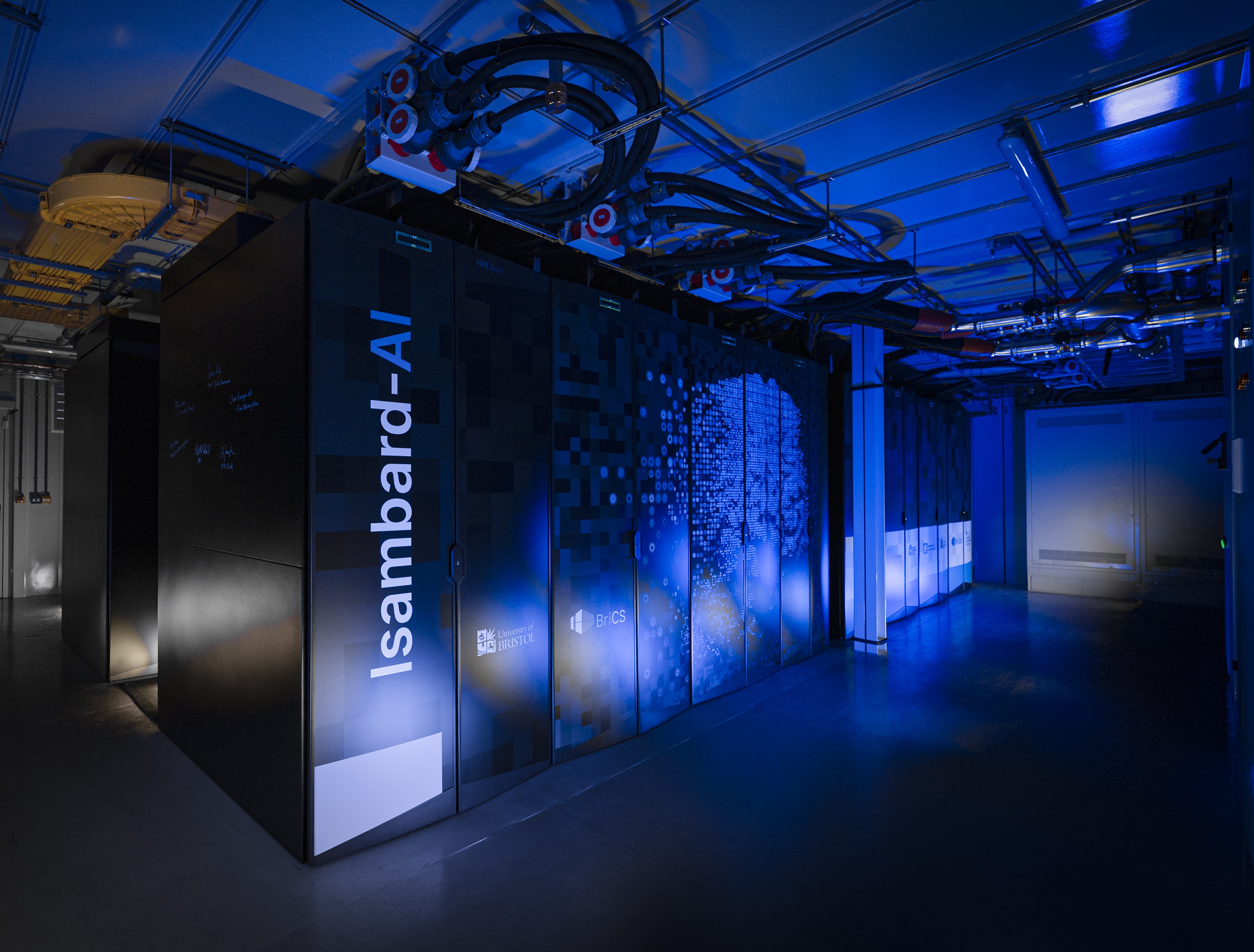
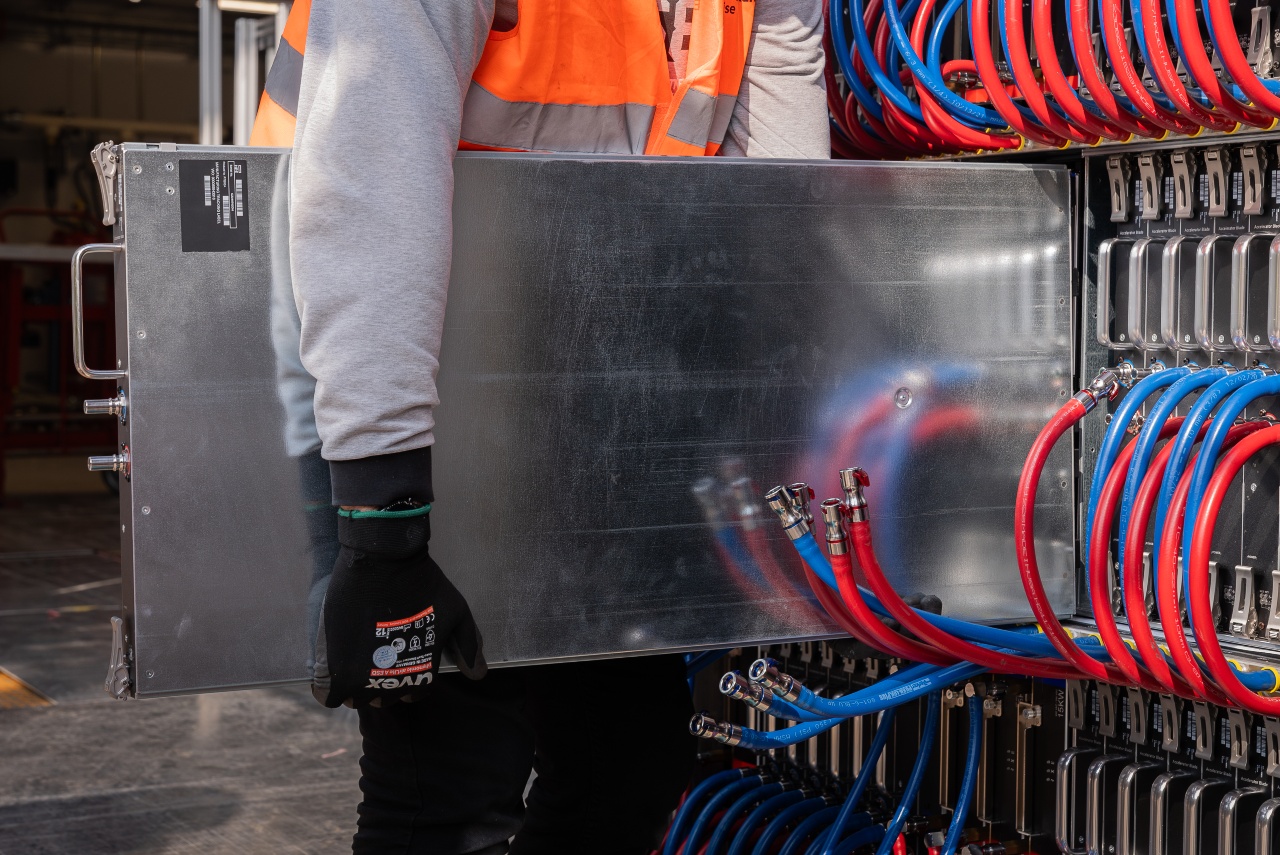
Isambard-AI combines highly advanced systems architecture and rapid deployment with world-leading sovereign AI stack to deliver the UK’s most powerful AI computing capability.
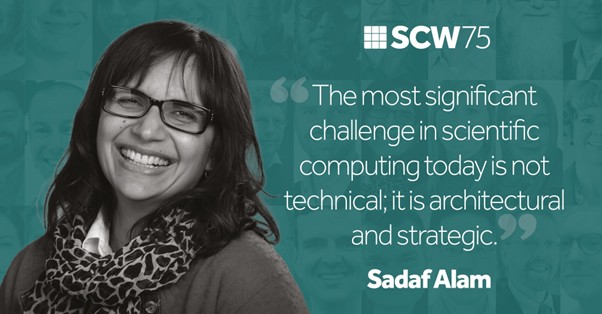
We are celebrating the inclusion of our Director, Professor Simon McIntosh-Smith, and Chief Technology Officer, Dr Sadaf Alam, in the inaugural SCW75 list, launched this week by Scientific Computing World.
Sovereign AI is the UK Government’s bet to back homegrown AI founders to drive growth and create jobs across the UK.
Researchers, policymakers and technology leaders have gathered in Bristol this week for the Isambard Summit 2026 (IS26), showcasing how investment in AI and advanced computing is helping deliver the UK Government’s growth and industrial strategy.
The West of England's Mayor welcomed ministers and fellow mayors for the first time to the West Innovation Arc Growth Zone - the fastest growing part of the West, which is itself the country's fastest growing regional economy. The Mayoral Council was today hosted in South Gloucestershire at NCC, the University of Bristol's world-leading research and development centre.
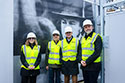
The Prince of Wales learnt about the incredible research and innovation taking place at the University of Bristol when he visited two of its world-leading research facilities today (22 January).
Our student cluster team, the 'Isambards' made history at this year's SC25 conference in St Louis, Missouri, by being the first UK-based team to compete in the in-person student cluster competition (SCC).
The University of Bristol has cemented its position as a world-leading university for AI education and research, following the launch of Isambard-AI, the world’s fastest university-based supercomputer.
We speak to three researchers based at University of Bristol who are using Isambard-AI to address critical healthcare challenges, across dementia, skin cancer, cardiac disease and more.
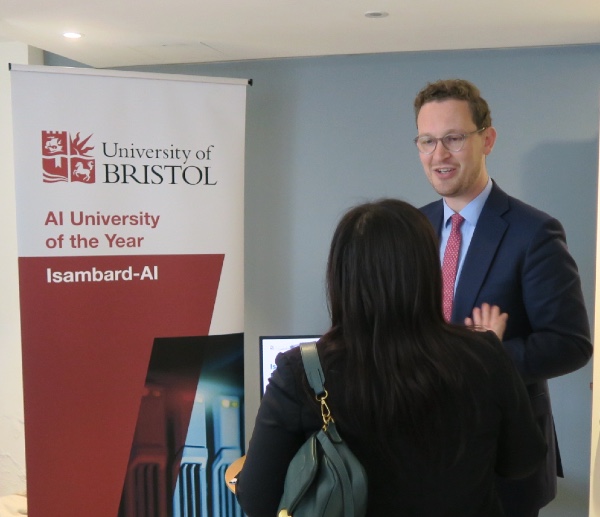
At an intimate gathering of policymakers, technologists, and regional leaders, BriCS welcomed the opportunity to speak directly and candidly about the future of AI innovation in the West of England and the infrastructure needed to support it.
Working at speeds 100,000 times faster than the average laptop and able to process in one second what it would take the entire global population 80 years to achieve, Isambard-AI offers huge potential in fields such as robotics, big data, climate research and drug discovery.
Working at speeds 100,000 times faster than the average laptop and able to process in one second what it would take the entire global population 80 years to achieve, Isambard-AI offers huge potential in fields such as robotics, big data, climate research and drug discovery.
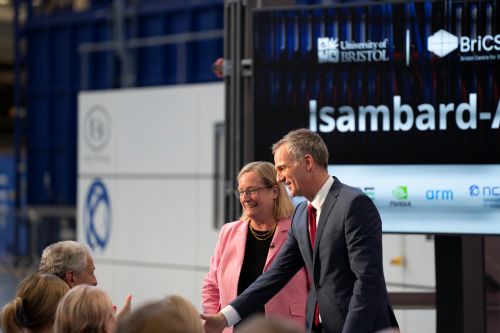
Faster, more accurate cancer diagnoses and new clean-energy innovations are some of the key breakthroughs now closer to reality as the UK’s most powerful AI supercomputer launches in Bristol today.
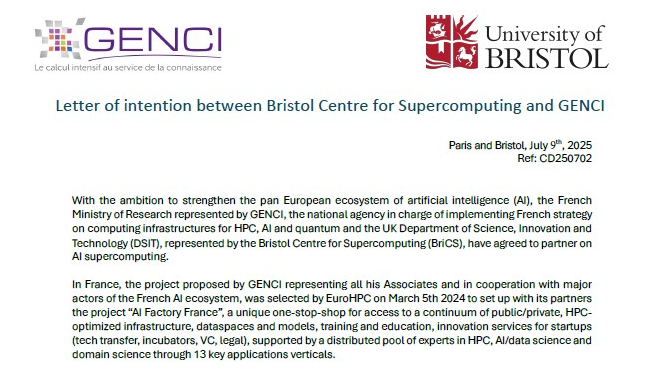
A new and unique supercomputing collaboration between the UK and France was announced at the UK-France Summit today (10 July).
We’re excited to share that Isambard-AI, the UK’s most powerful AI supercomputer, has been ranked in the top 15 of the world’s fastest supercomputers by the prestigious TOP500 list, and also recognised as one of the greenest by the Green500.
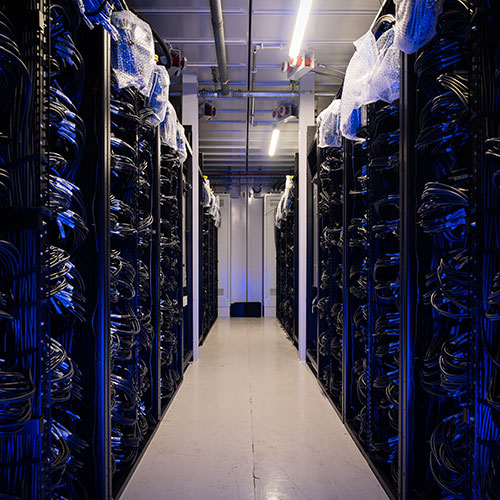
As the doors open at ISC 2025 in Hamburg, we’re incredibly proud to share what’s been quietly taking shape in Bristol, UK. Introducing Isambard-AI, the UK’s fastest AI supercomputer and one of Europe’s most advanced AI-focused systems.
Within 12 months of breaking ground, BriCS have defied the odds of complex, conventional supercomputer builds and are gearing up to power on the UK's fastest AI supercomputer.
Artificial intelligence (AI) is transforming the way we approach complex problems, from developing lifesaving drugs to modelling the impacts of climate change. Powering this progress requires more than smart algorithms, it demands serious computing capability.
We’re proud to announce that OpenCHAMI—a powerful toolkit for managing high-performance computing (HPC) systems—has become the first non-founding project to officially join the High-Performance Software Foundation (HPSF)
Colleagues from the Bristol Centre for Supercomputing (BriCS) were proud to showcase Isambard-AI at AIUK 2025, giving attendees a first-hand look at the UK’s fastest AI supercomputer.
The Bristol Centre for Supercomputing (BriCS) hosted a landmark event at The Bristol Hotel on March 11th and 12th.
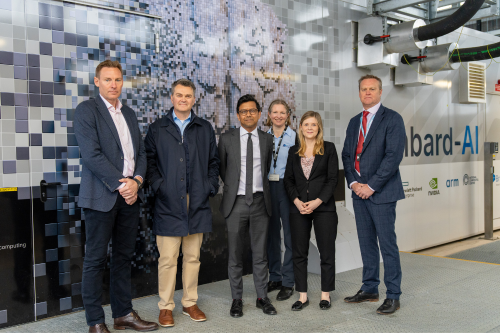
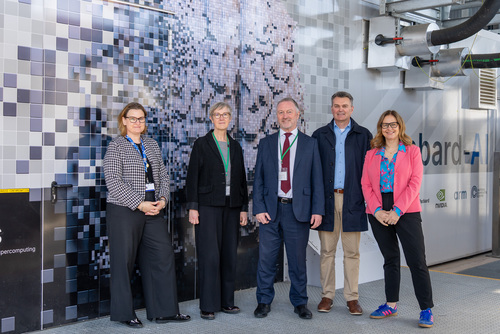
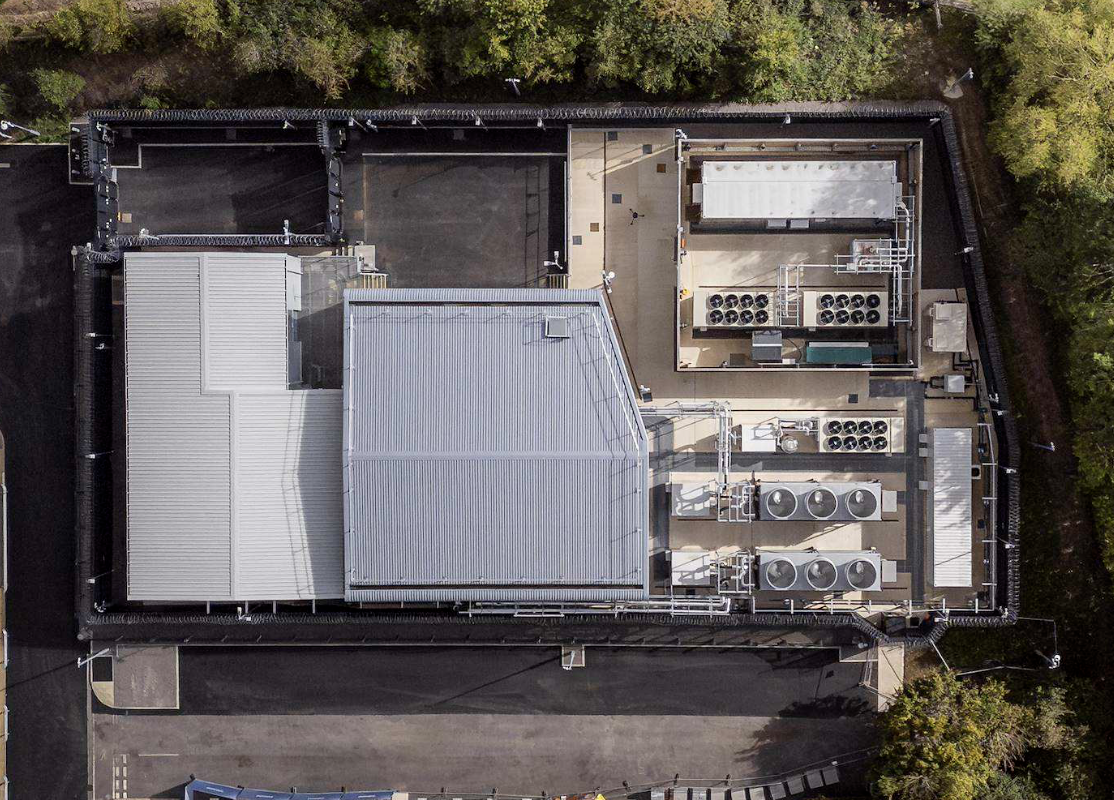
The Bristol Centre for Supercomputing (BriCS) hosted senior executives from Hewlett Packard Enterprise (HPE) for an exclusive visit to the Isambard supercomputing facility at the National Composites Centre (NCC).
The Bristol Centre for Supercomputing (BriCS) team, led by PhD student Joseph Moore, has been selected as the only UK-based team to compete in-person at the prestigious ISC 2025 Student Cluster Competition.
Professor Simon McIntosh-Smith, Director of the Bristol Centre for Supercomputing (BriCS) at University of Bristol, was invited to attend the UK government's "AI for Growth" reception at the British Ambassador's Residence in Paris on February 6th.
The UK’s fastest supercomputer Isambard-AI will play a major role in advancing the nation’s AI capabilities.



.jpg)
.jpg)