Cancer researcher elected Fellow of the Academy of Medical Sciences
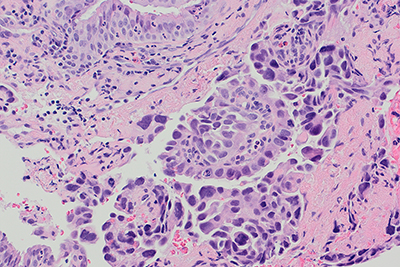
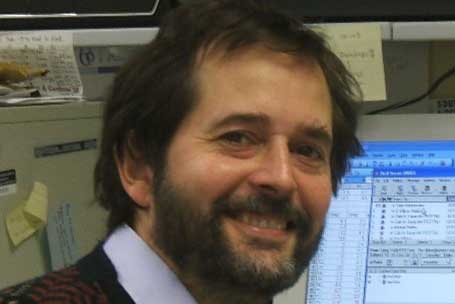
A leading researcher working on the prevention and early detection of common cancers has been elected as a Fellow of the Academy of Medical Sciences.
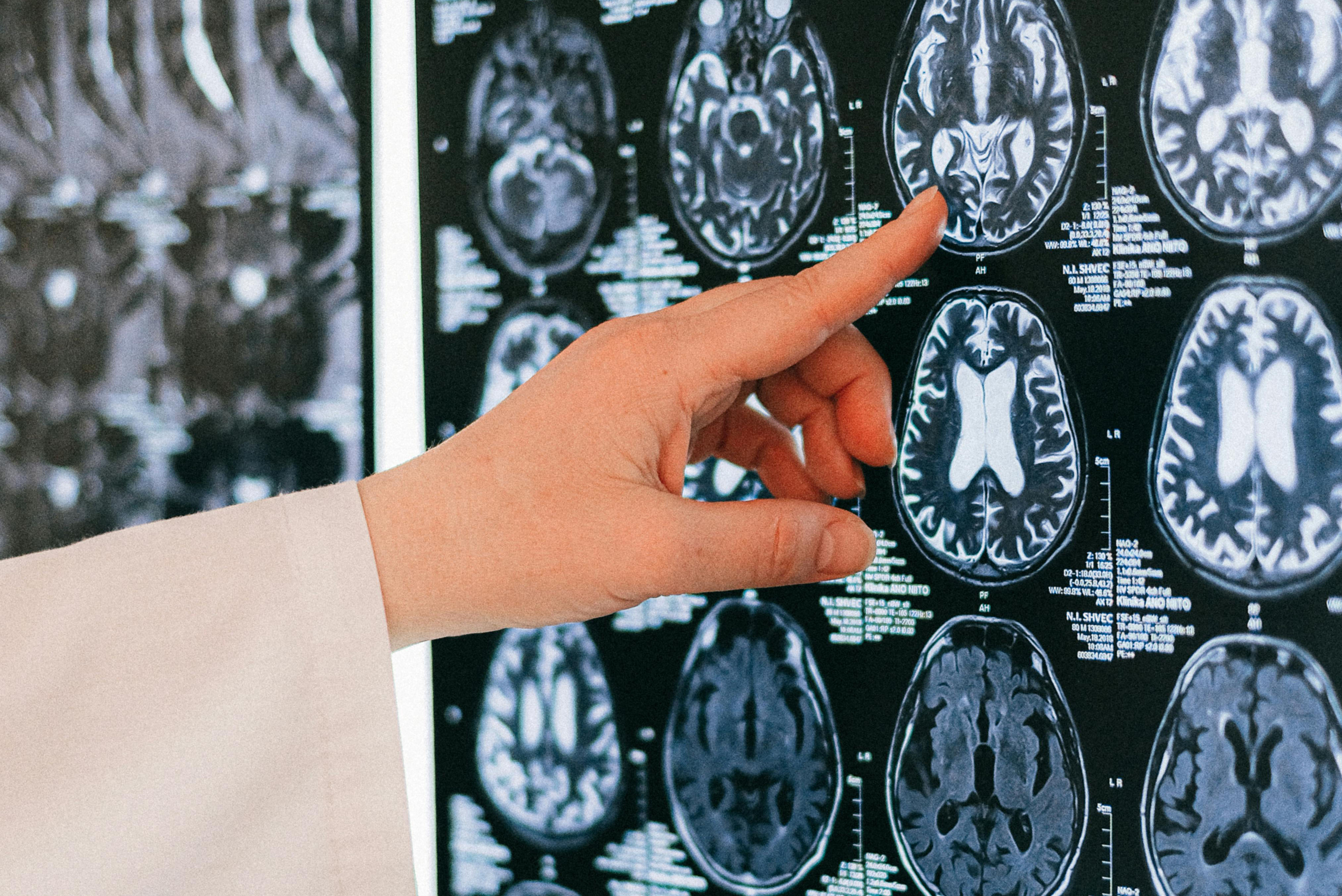
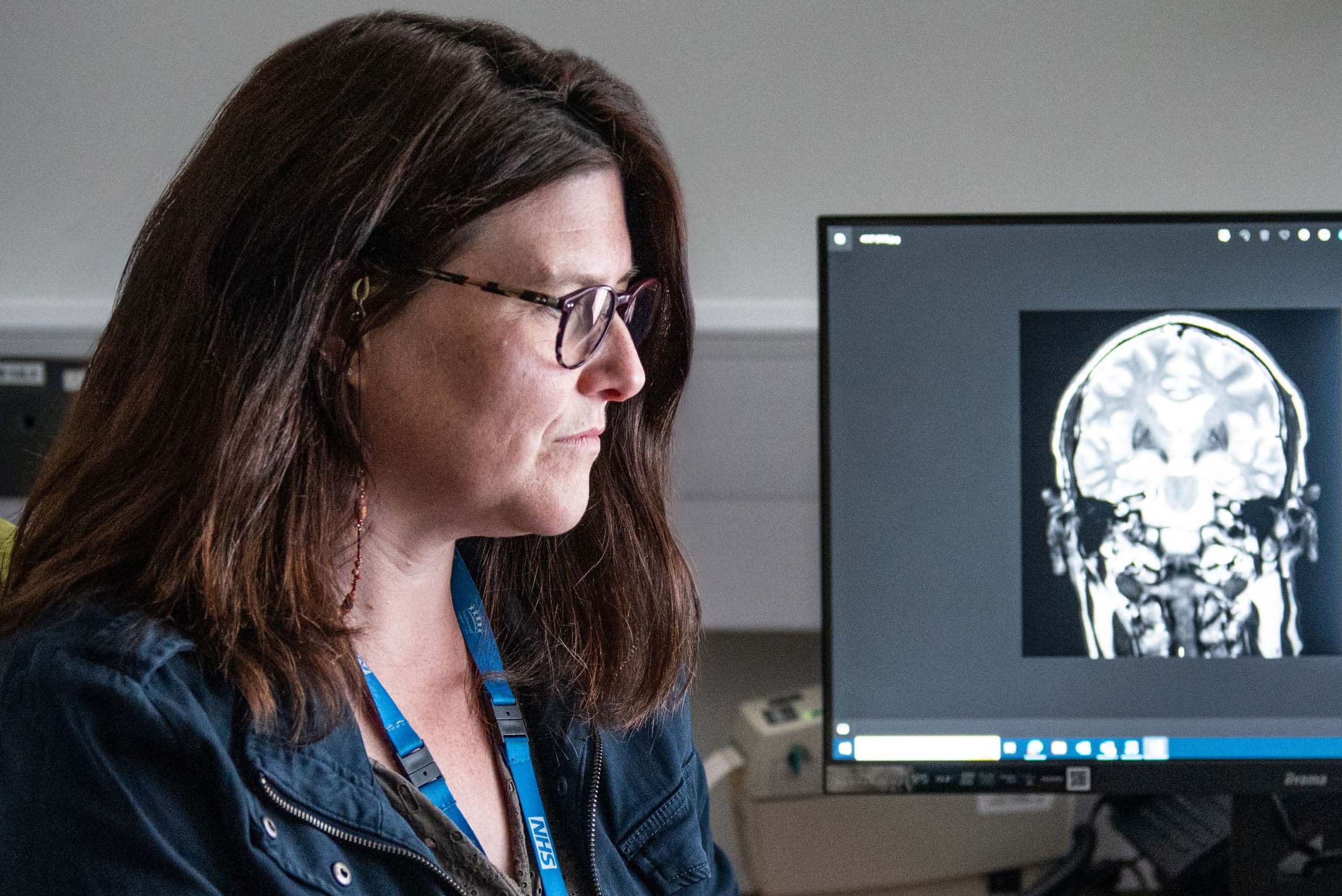
Immunotherapy could be a promising new treatment option for patients with difficult-to-treat depression. This is a key finding from a University of Bristol-led pilot randomised controlled clinical trial, published in JAMA Psychiatry today [20 May].
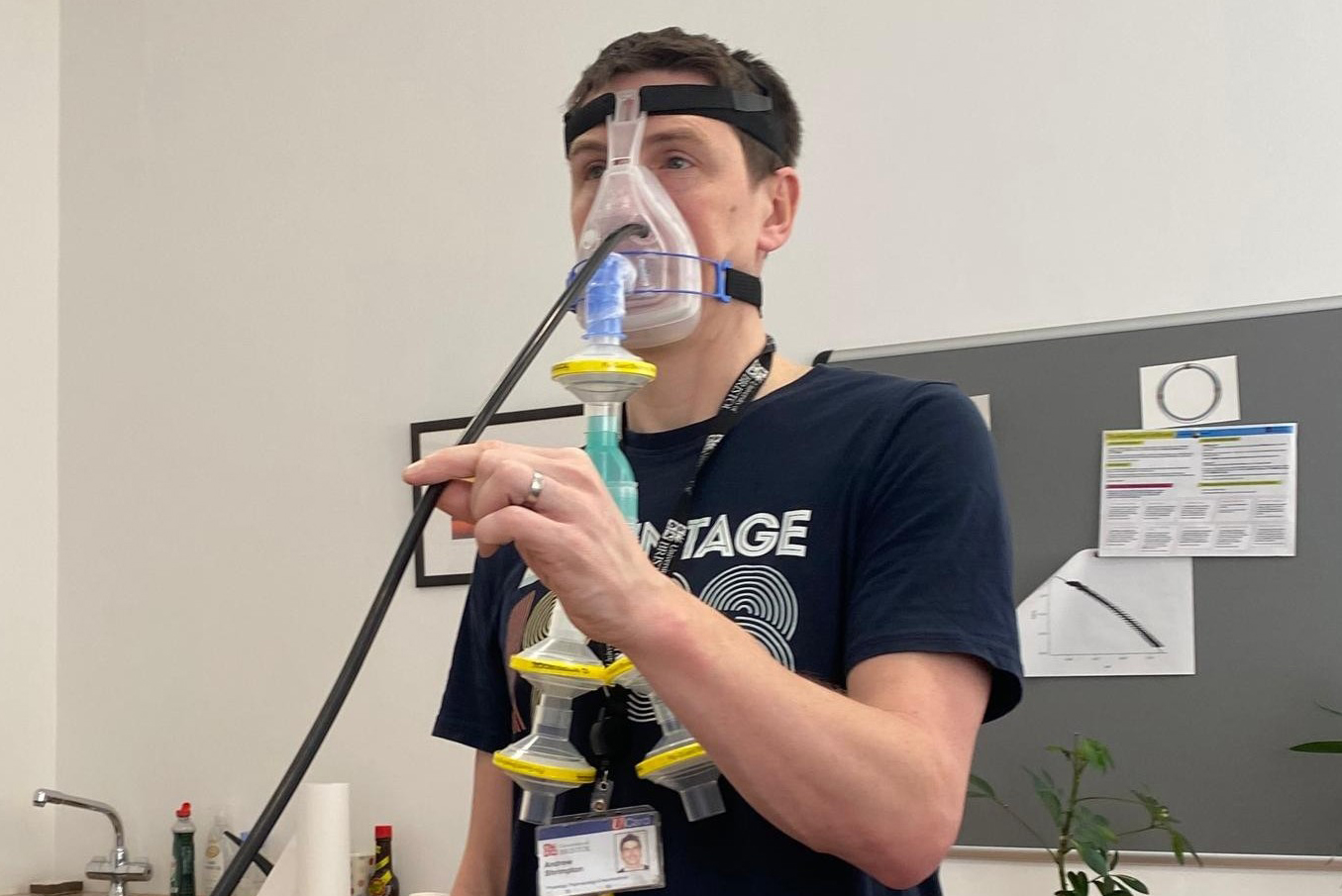
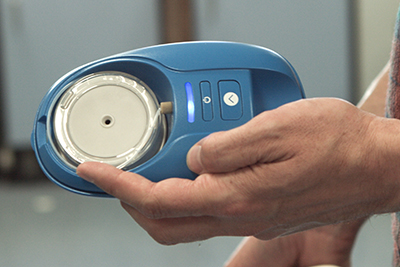
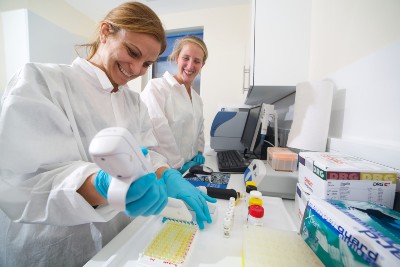
A rapid microbiological point-of-care test designed to help GPs identify whether a respiratory infection is caused by a virus did not lead to an expected overall reduction in same-day antibiotic prescribing, a University of Bristol-led study has found.
University of Bristol academic and Professor of Genetic Epidemiology, Nic Timpson, has been appointed co-chair of The Nature Medicine Commission on Obesity Management. Launched today [12 May], the Commission will bring together global experts and datasets to tackle the growing burden of obesity-related noncommunicable diseases through data-driven decision support.
Providing access to specialist NHS weight loss clinics that support children and young people living with complications from severe obesity, can enable better outcomes for weight loss, research, involving the University of Bristol, has found.
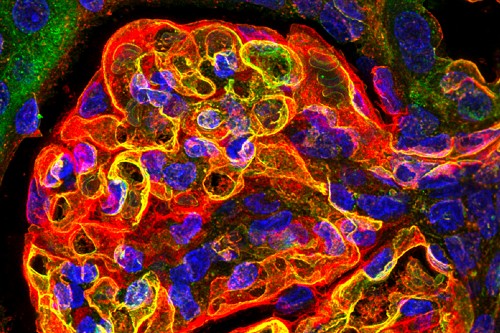
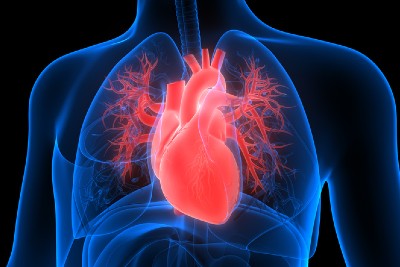
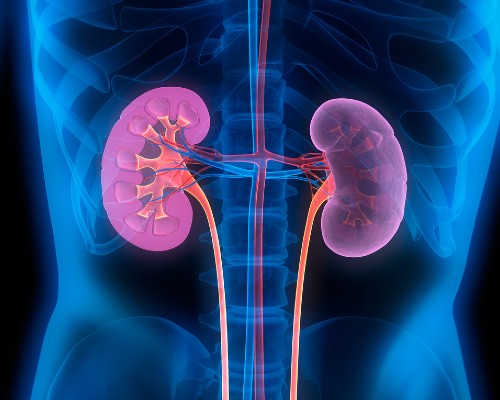
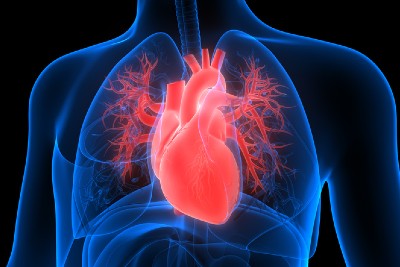
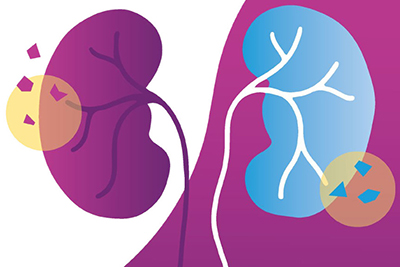
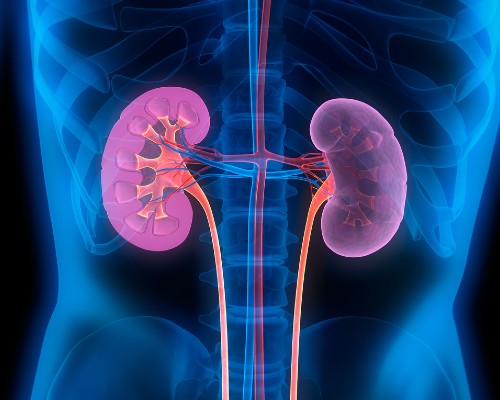
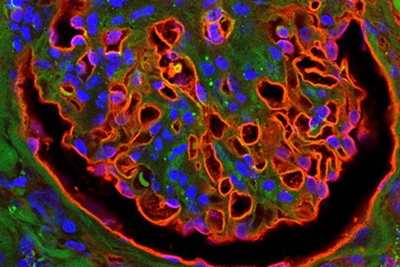
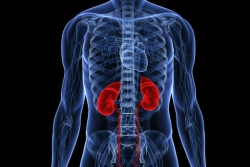
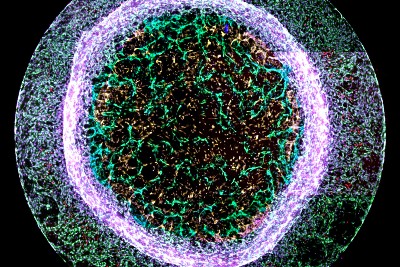
A new way to detect the onset of heart and kidney disease far earlier than previously possible has been discovered by University of Bristol scientists. The breakthrough, published today [12 May] in Nature Communications, reveals a novel method for identifying damage to the lining of microscopic blood vessels, transforming our ability to detect disease at its very earliest stages, before it progresses and becomes potentially life threatening.
Exposure to one of the most toxic forms of mercury (methylmercury) may also disrupt the body’s metabolic health, according to the findings of a new international study. The research, involving University of Bristol scientists and published in Chemical Research in Toxicology, found the element may have wider health effects than previously known.
Fatal delays in administering life-saving adrenaline autoinjector (EpiPen) for food anaphylaxis, a severe and rapid allergic reaction, is highlighted in research being presented at the Royal College of Emergency Medicine Conference today [28 April]. Researchers are urging for updated guidelines on the use of adrenaline treatment such as EpiPens and the hospital management of severe food anaphylaxis.
At least two school-aged children die each month from knife injuries in England, with most fatalities resulting from a single stab wound, according to the first national analysis of its kind. The University of Bristol-led research offers critical insights that could help inform future prevention strategies.
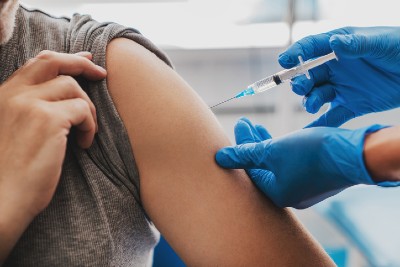
Extending vaccination opportunities, involving community members alongside healthcare professionals in communicating about vaccines, and providing financial incentives are among the most effective ways to increase vaccine uptake, an analysis of international trial evidence led by the University of Bristol has found. The research, funded by the National Institute for Health and Care Research (NIHR), is published in The BMJ today [15 April].
Researchers have identified and described a previously unknown recessive neurodevelopmental disorder (NDD) that appears to be the most prevalent ever discovered. The study, involving University of Bristol researchers and published in Nature Genetics today [30 March], provides long-awaited answers for many families and may inform future drug development.
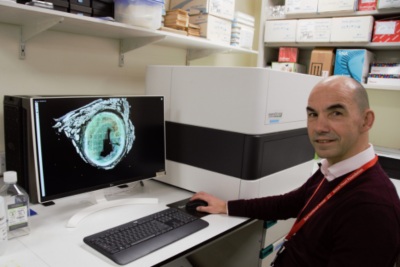
The NHS is this month celebrating 40 years of what went on to become the NHS Blood and Transplant (NHSBT) eye bank, with a special appeal from the bank’s longest serving staff member, who is encouraging more people to consider cornea donation as he awaits a fourth cornea transplant himself.
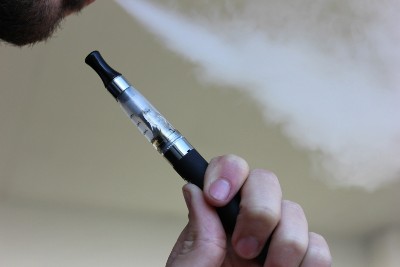
The disposable vapes ban in the UK could lead to young adults switching to alternative products, including cigarettes, new research led by the University of Bristol has found.
Professor Timothy Draycott MD, BSc, MBBS, FRCOG passed away in November 2025. His colleagues offer a remembrance.

The University of Bristol is one of nine UK universities included in a new £50 million 'Inequalities Challenge Consortium' launched by the National Institute for Health and Care Research (NIHR) to support research into addressing inequalities in cardiovascular disease (CVD) which accounts for 26% of all deaths in the UK.
Weight-loss (GLP-1 mimicking) drugs may help prevent further tissue damage following a heart attack, significantly reducing the risk of further life-threatening complications that affect up to half of all patients, according to a new study led by the University of Bristol and University College London (UCL).
A new global analysis of two antenatal treatments that reduce the risk of cerebral palsy and respiratory complications in premature babies reveals significant international variation in implementation. The University of Bristol-led study, published in the International Journal of Obstetrics & Gynaecology today [25 February], examined neonatal data from over 300,000 premature births across ten countries.
A new study has modelled how genes can influence a child’s body mass index (BMI) over time and how they may contribute to the risk of developing diseases, such as heart disease or type 2 diabetes, later in life.

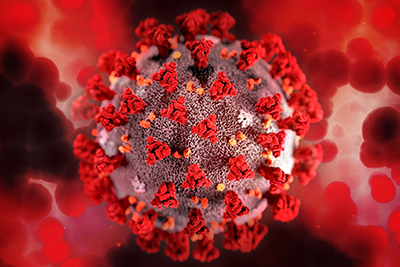
Booster vaccines reduced the risk of COVID 19–related hospitalisation and death, according to a new study of over 3 million adults who had the autumn 2022 vaccine in England. The research led by the universities of Bristol and Oxford, provides further evidence of the effectiveness of booster vaccination against COVID-19.

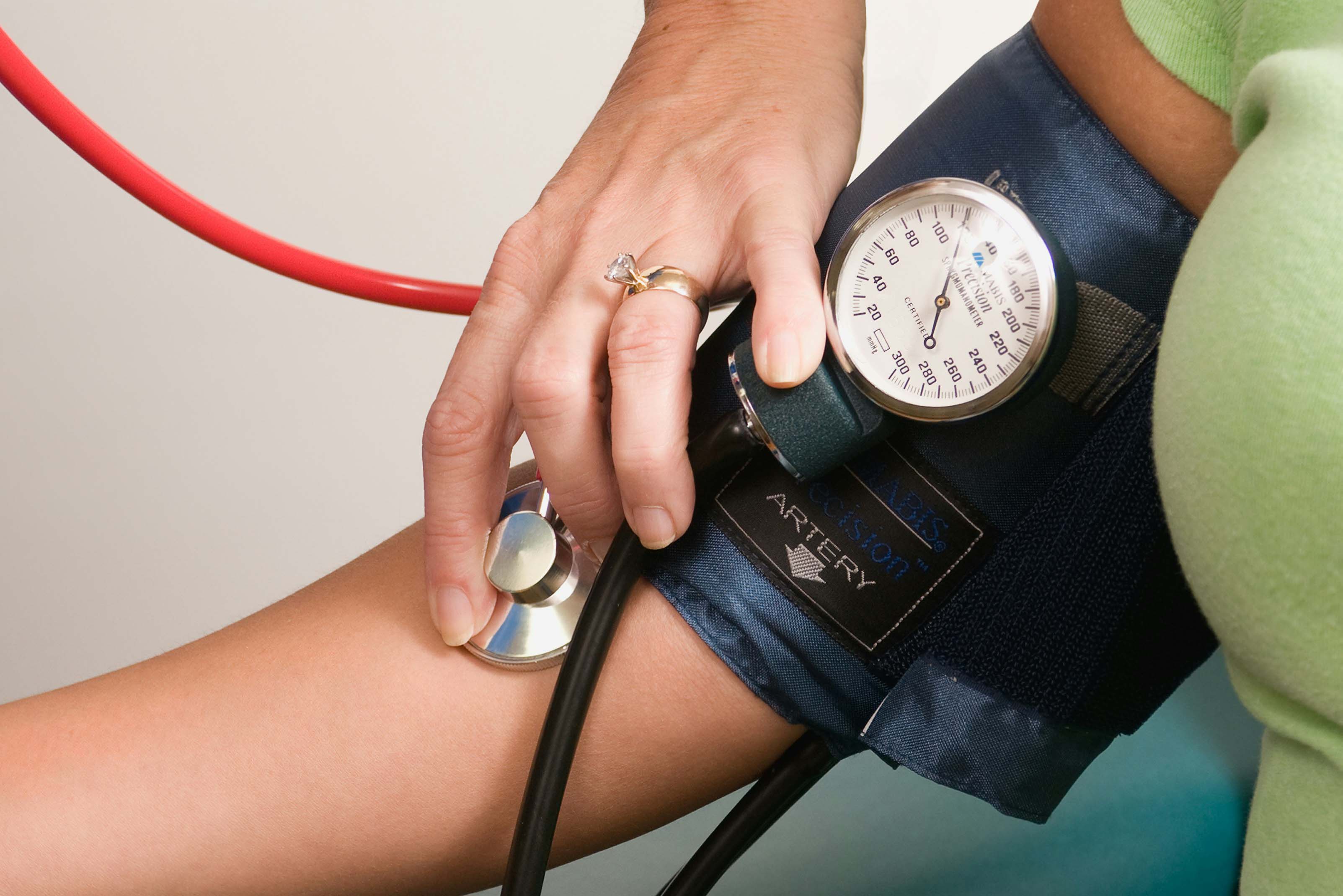
High body mass index (BMI) could cause a higher risk of vascular-related dementia (a combination of vascular and unspecified dementia), according to new research from the University of Bristol and University Hospital of Copenhagen (Rigshospitalet and Herlev-Gentofte Hospital). The researchers found that the effect of high BMI on dementia mainly works through high blood pressure.