
Hello lad! Gromit and friends arrive in Bristol for charity trail
Bristol’s favourite pooch and friends will arrive in Bristol over the next few days as Gromit Unleashed 2 fever sweeps across the city.

Bristol’s favourite pooch and friends will arrive in Bristol over the next few days as Gromit Unleashed 2 fever sweeps across the city.
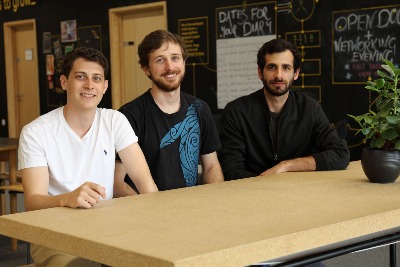
A start-up with University of Bristol roots has signed a deal with energy giant Enel to help keep its estimated 9,000 turbines spinning.
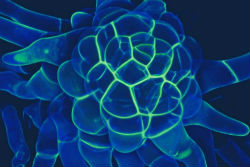
The Earth is filled with diverse and remarkable plant forms from the tallest redwoods that pierce forest canopies, to the smallest mosses that blanket the ground underfoot.
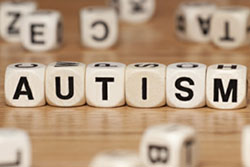
Women with polycystic ovary syndrome (PCOS) are more likely than other women to have an autistic child, according to an analysis of NHS data carried out by a team at Cambridge University's Autism Research Centre. The research is published today in the journal Translational Psychiatry. The team stressed that the likelihood of having an autistic child is still very low, even among women with PCOS – but finding this link provides an important clue in understanding one of the multiple causal factors in autism.

Pioneering research has shed new light on what drives people’s basic food preferences, indicating our choices may be smarter than previously thought and influenced by the specific nutrients, as opposed to just calories, we need.

Following research on remarkable medieval wall paintings at a village church in Shropshire, described as England’s Bayeux Tapestry, a University of Bristol academic and her team have created a new heritage trail around the local area.

Subjects at the University of Bristol are among the very best in the world, according to the latest global rankings released today [6 April].
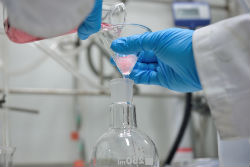
Amino acids are the building blocks of proteins, and modifying amino acids chemically allows scientists to develop new molecules that can provide the starting point for developing new medical treatments such as antibiotics.
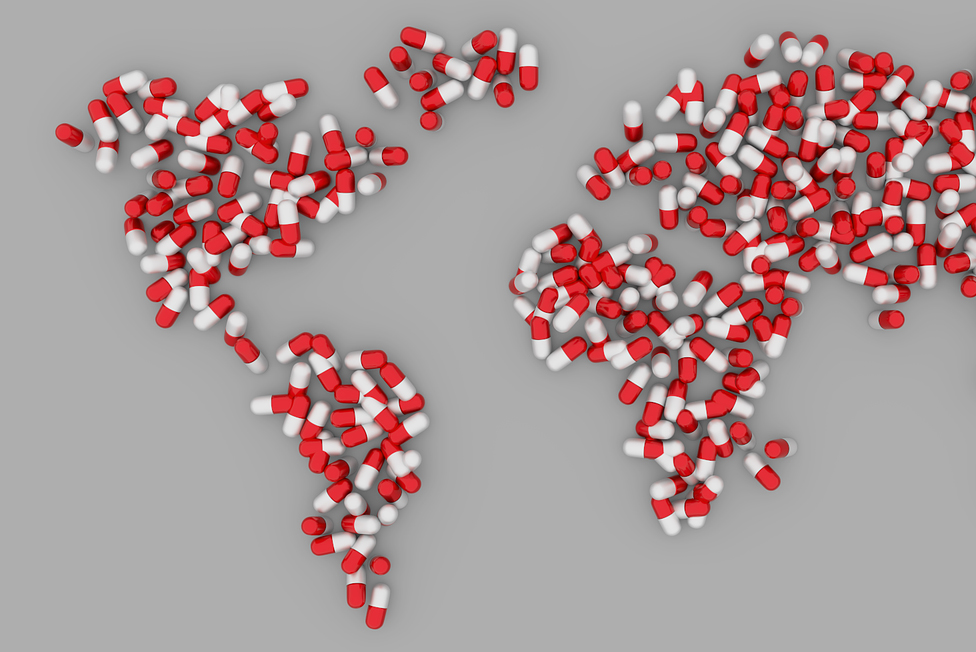
Antimicrobial resistance (AMR) is an escalating global health emergency with the Organisation for Economic Co-operation and Development (OECD) estimating that 'superbugs' will kill 1.3 million people in Europe by 2050, including more than 90,000 in the UK, unless we can halt the rise in antibiotic-resistant infections. The University of Bristol is committed to tackling this global challenge and today [Wednesday 14 November] a new cross-faculty and interdisciplinary AMR research network will be launched, funded by the University's Elizabeth Blackwell Institute (EBI).

Women who experience domestic violence and abuse (DVA) are more than twice as likely to seek emergency contraception as other women, according to a study by National Institute for Health Research (NIHR)-funded researchers at the University of Bristol and Queen Mary University of London, suggesting that requests for emergency contraception could be an important sign of abuse.