
Triassic revolution: animals grew back faster and smarter after mass extinction
Palaeontologists in the UK and China have shown that the natural world bounced back vigorously following the End-Permian Extinction.
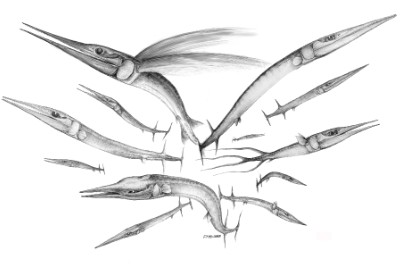
Palaeontologists in the UK and China have shown that the natural world bounced back vigorously following the End-Permian Extinction.
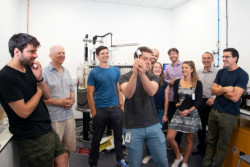
Biodesign spinout company Ziylo has been acquired by global healthcare company Novo Nordisk in a deal that could exceed $800m.
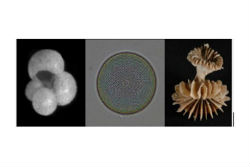
The oceans are the planet’s most important depository for atmospheric carbon dioxide on time scales of decades to millennia.

Our mode of thinking changes at different times of the day and follows a 24-hour pattern, according to new findings published in PLOS ONE. University of Bristol researchers were able to study our thinking behaviour by analysing seven-billion words used in 800-million tweets.
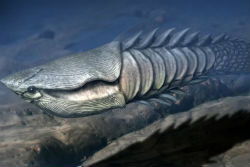
Scientists at the University of Manchester and the University of Bristol have used powerful X-rays to peer inside the skeletons of some of our oldest vertebrate relatives, solving a 160-year-old mystery about the origin of our skeletons.
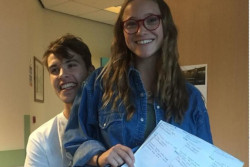
Today [Friday 24 August] 30 University of Bristol students and friends will walk 230 kilometres to raise funds for fellow student Xander Van Der Poll, who suffered serious injuries earlier this year.
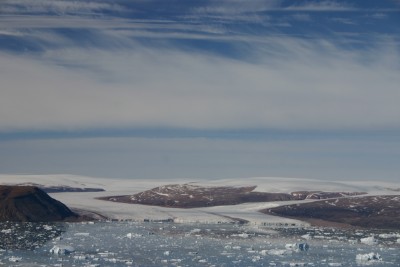
Greenland's many small glaciers are melting at great speed, and the melting is increasing, especially in the Arctic regions, where the temperature rise is worst.
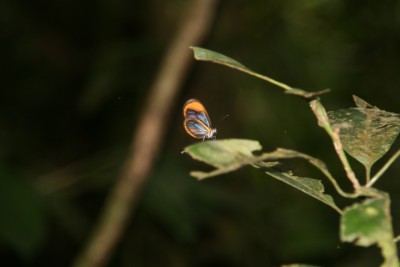
Habitat differences help determine changes in the nervous system of tropical butterflies, scientists at the University of Bristol have found.
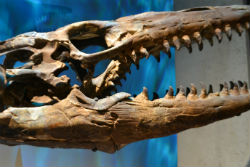
Fossils come in many shapes and sizes, ranging from isolated fragments of bones and teeth to complete skeletons.
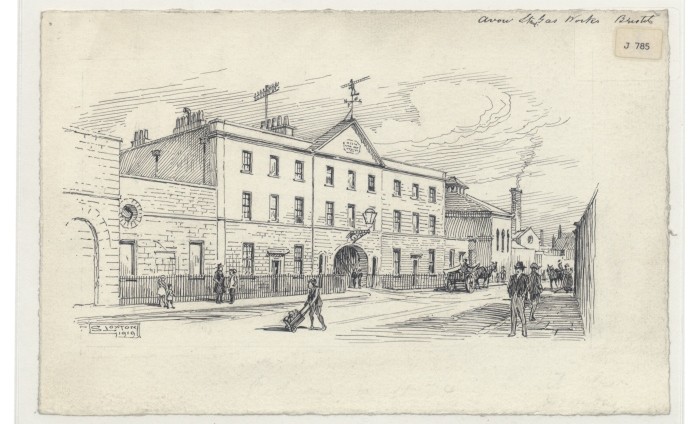
Innovations in St Philips, Bristol 200 years ago mirror transformations to the way we live and work today according to a new report by the University of Bristol.