
Bristol Vision Institute team wins Video Compression Grand Challenge
A research team from the Bristol Vision Institute (BVI) has been awarded a key technology prize for its work on video compression.
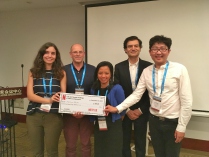
A research team from the Bristol Vision Institute (BVI) has been awarded a key technology prize for its work on video compression.
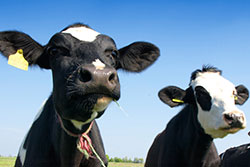
A new book, co-authored by Professor Richard Evershed of the University of Bristol, which explains the role of science in uncovering some of the century’s biggest food scams is published by Bloomsbury this week.
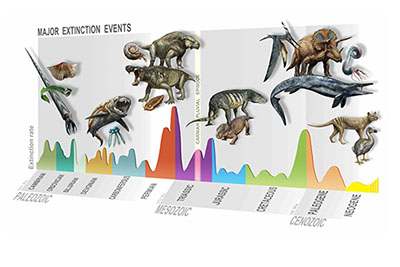
It’s not often a new mass extinction is identified; after all, such events were so devastating they really stand out in the fossil record.

A team of international scientists has invented a substitute for synthetic chemicals, called PFAS (perfluoroalkyl substances), which are widely used in everyday products despite being hazardous to health and the environment.

Fresh evidence from a series of expeditions to North Greenland have led palaeontologists to solve an age-old mystery about a distinctive group of arthropods.

The first ever example of a plant-eating dinosaur with feathers and scales has been discovered in Russia. Previously only flesh-eating dinosaurs were known to have had feathers so this new find indicates that all dinosaurs could have been feathered.

The east sides of major UK cities such as London and Manchester have historically been the poorest due to industrial pollution. This has resulted in unequal distribution of social classes across cities that is still evident today.
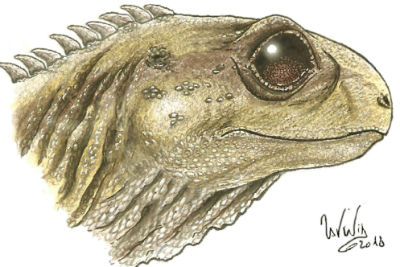
Using two partially fragmented fossil skulls, a student at the University of Bristol has digitally reconstructed, in three-dimensions, the skulls of two species of ancient reptile that lived in the Late Triassic, one of which had been previously known only from its jaws.
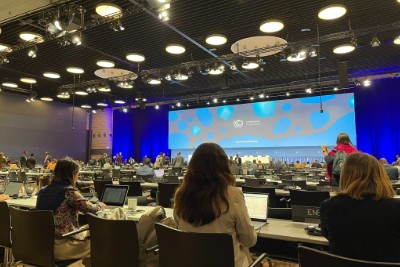
Climate change experts from the University of Bristol’s Cabot Institute for the Environment are set to champion inclusivity and a fair shift to a net zero economy at an important international summit this week.
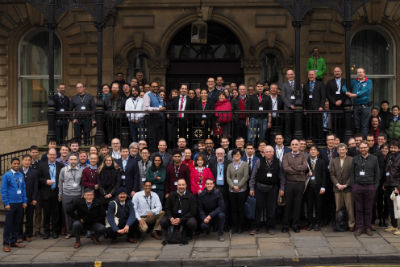
Scientists from around the world visited the University of Bristol last week to hear progress on the important Gallium Nitride (GaN)-on-Diamond microwave technology.