
2025 Alumni Award winners announced!
An award-winning novelist, a Royal Academy of Engineering Fellow and a Bristol Bears player are among those celebrated in the 2025 Alumni Awards.
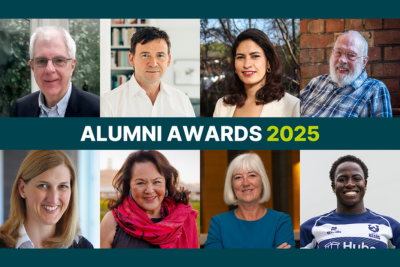
An award-winning novelist, a Royal Academy of Engineering Fellow and a Bristol Bears player are among those celebrated in the 2025 Alumni Awards.

Today sees the launch of two films, coproduced by local digital media company, Calling the Shots with academics from the University of Bristol, presenting the culmination of Know Your Bristol on the Move, a collaborative project between the University, Bristol City Council and 12 (and counting) Bristol community groups.
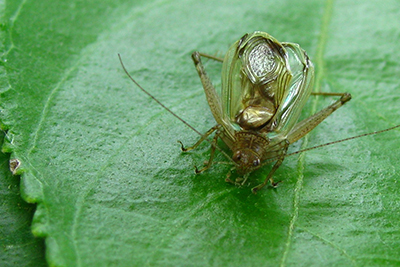
Researchers have uncovered the highly efficient strategy used by a group of crickets to distinguish the calls of predatory bats from the incessant noises of the nocturnal jungle. The findings, led by scientists at the Universities of Bristol and Graz in Austria and published in Philosophical Transactions of the Royal Society B, reveal the crickets eavesdrop on the vocalisations of bats to help them escape their grasp when hunted.
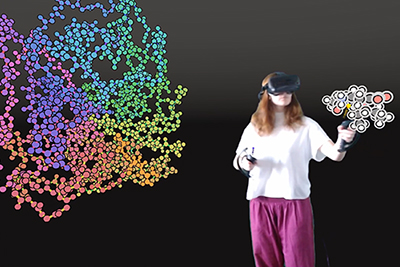
Researchers at the University of Bristol are pioneering the use of virtual reality (VR) as a tool to design the next generation of drug treatments.
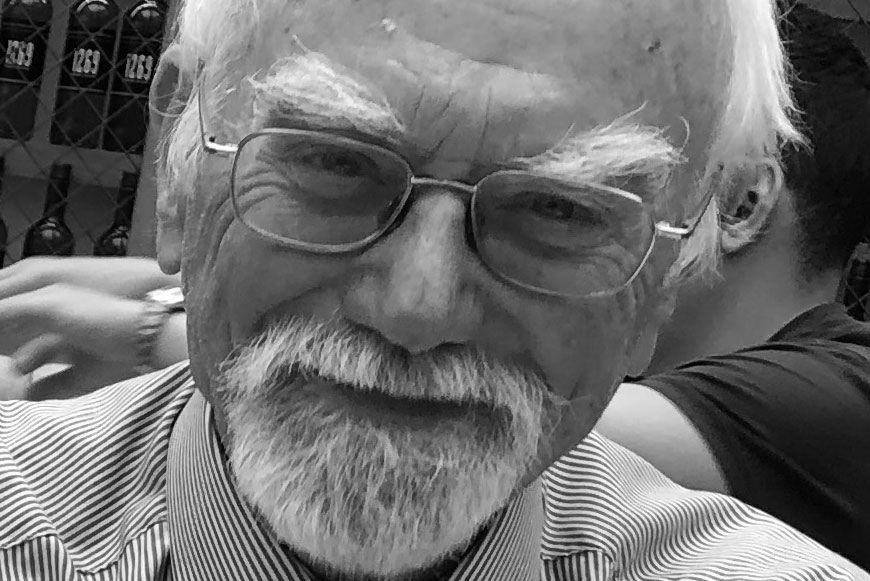
Douglas Gregory, a former Visiting Fellow in the Department of Mechanical Engineering (1993 to 2003), passed away in the early hours of 30 September. Sophie Chester-Glyn, a PhD student in Law at Bristol and Douglas' step-daughter, offers a remembrance.

The Vice Chancellor’s Fellow at the School of Chemistry of the University of Bristol, has won an EPSRC New Investigator Award worth £392,000.

People who have completed consumer DNA test kits are being asked to take part in a study led by the University of Bristol and the MRC Laboratory of Molecular Biology (LMB) to find out whether it is possible to predict genetic risk factors and discover a genetic link to coronavirus risk.

Three short films, co-produced with local digital media company, Calling the Shots, outline the practicalities and challenges surrounding a collaborative project between the University of Bristol and local partners to explore, research and map the city’s history, heritage and culture.

The ‘Drink Less’ app can be a powerful tool in reducing alcohol consumption and improving public health, a new study has shown.

Researchers from the Schools of Physics and Chemistry at the University of Bristol won gold and bronze awards respectively in the final of the SET for Britain Exhibition, held in Westminster on 7 March.