
Bristol 'snow' to premiere in Hollywood and beyond
Snow developed in Bristol will soon be playing a starring role in Hollywood blockbusters and cult TV series thanks to the scientific expertise of a University of Bristol student.

Snow developed in Bristol will soon be playing a starring role in Hollywood blockbusters and cult TV series thanks to the scientific expertise of a University of Bristol student.

Ron Johnston, who has died aged 79 after a short illness, was one of the most influential geographers of his generation. Colleagues David Manley, Robert Mayhew and Richard Harris offer this remembrance.

People with learning disabilities in England continue to die prematurely and from treatable causes of death, the latest annual report from the Learning Disabilities Mortality Review (LeDeR) programme shows.

A new book by Dr Matthew Brown of the Department of Hispanic, Portuguese and Latin American Studies which presents an alternative history of Latin America is published today.
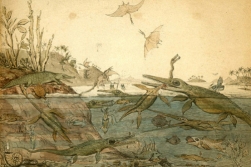
In the Mesozoic, the time of the dinosaurs, from 252 to 66 million years ago, marine reptiles such as ichthyosaurs and plesiosaurs were top predators in the oceans. But their origins and early rise to dominance have been somewhat mysterious.

The University of Bristol is awarding honorary degrees to Dr Julian Hector, Roz Savage and Professor Sir Mark Welland at degree ceremonies taking place today [11 July] in the Wills Memorial Building.

The Government needs to develop new tools to help prevent the sudden unexpected death of infants (SUDI), says a new review by the Child Safeguarding Practice Review Panel which included University of Bristol researchers.
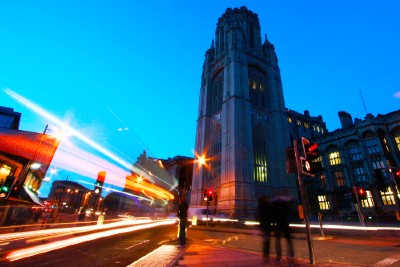
Bristol must make significant changes to its transport sector in order to meet its 2030 carbon neutral target, according to a new report led by a team of postgraduate students at the University of Bristol.
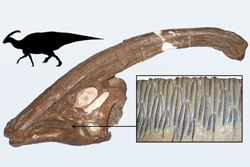
Plant-eating dinosaurs had several bursts of evolution, and these were all kicked off by innovations in their teeth and jaws, new research has found.

Whether we are looking for a restaurant tip, researching health information, or scrolling through social media posts, algorithms use the personal data they gather on us to determine what we are shown online. But how aware are people of the impact algorithms have on their digital environments? A team of researchers from the Max Planck Institute for Human Development and the University of Bristol has conducted a survey of 1,065 people in Germany to address these questions.