Theatre Collection’s Kevin Elyot Award - call for submissions 2020
Applications are now open for the University of Bristol Theatre Collection 2020 Kevin Elyot Award – created in memory of the acclaimed actor and writer.
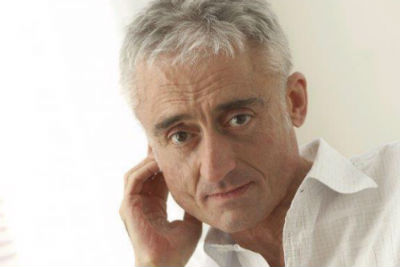
Applications are now open for the University of Bristol Theatre Collection 2020 Kevin Elyot Award – created in memory of the acclaimed actor and writer.
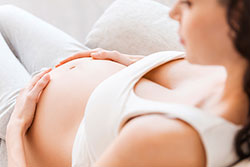
Researchers have provided new evidence that developing asthma can be linked to pregnant women and infants being exposed to paracetamol; by testing that the association was not simply due to the medical complaint for which the person is taking paracetamol. The findings were published in the International Journal of Epidemiology.
The implications of COVID-19 will have a significant financial impact on the higher education sector, and Bristol is no exception. As such, all members of the University’s Executive Board have decided to take a voluntary salary cut until there is more clarity regarding the results of the 2020-21 student recruitment cycle.
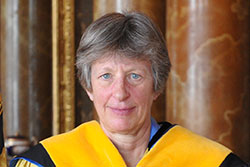
Katharine Cashman, Professor of Volcanology in the School of Earth Sciences, and Professor David Lodge, Visiting Fellow in the School of Physiology and Pharmacology, have achieved the rare distinction of being elected Fellows of the world’s most eminent and oldest scientific academy in continuous existence: the Royal Society.
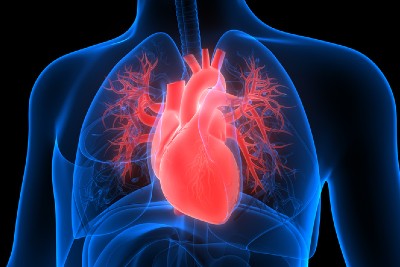
Bristol’s heart scientists are involved in one of two new Medical Research Council Centres of Research Excellence (MRC CoRE) that aims to develop new advanced therapeutics for currently untreatable diseases. Both Centres will receive up to £50 million each over 14 years.
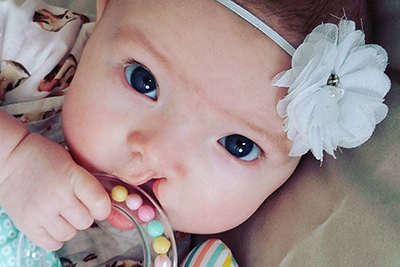
New research has found that children born with a cleft lip, either with or without a cleft palate, are not likely to be genetically predisposed to do less well at school than their peers. The study by the Cleft Collective research team at the University of Bristol is published today [6 May] in the International Journal of Epidemiology.
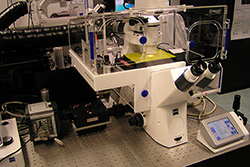
UK researchers have discovered a new way of observing designer nanomaterials – materials 400 times smaller than a human hair.
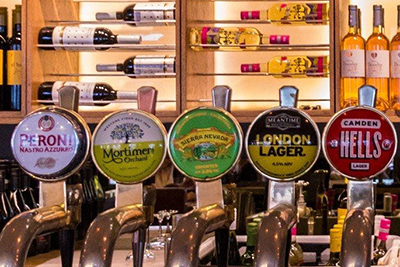
People are more likely to choose non-alcoholic drinks if more of those drinks are available than alcoholic alternatives, a University of Bristol-led online experiment published today [6 May] in BMC Public Health has shown. These results could pave the way for increasing the availability of non-alcoholic options in pub and bars.

Bristol researchers are part of the first phase of a new research project that will lay the groundwork for future studies into the impact on children of smartphone and social media use.