
Get inspired: Our Alumni Festival starts tomorrow
Hear from a renowned scientist, an award-winning entrepreneur and a celebrated jurist at the University of Bristol’s Alumni Festival.
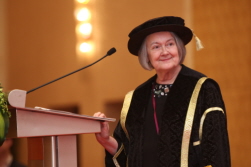
Hear from a renowned scientist, an award-winning entrepreneur and a celebrated jurist at the University of Bristol’s Alumni Festival.
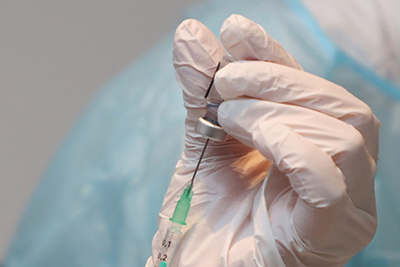
The public's preference for the AstraZeneca Covid vaccine has declined since last month, and belief that it causes blood clots has increased – but despite this, vaccine confidence is higher than it was towards the end of 2020, and there has been a big rise in the proportion of people who say they want to be vaccinated as soon as possible, according to a new study.

Nearly 1,000 people have signed up to a virtual running race organised by the University of Bristol.

Research and teaching at the University of Bristol will now benefit from one of the fastest and most advanced supercomputing facilities in the UK, capable of up to 600 trillion calculations per second.

The sound of music will fill the air of Bristol next month as the world-famous Play Me, I’m Yours piano project hits the streets.

Researchers including a team from the University of Bristol are working with business to revolutionise the infrastructure of the internet in the UK, creating an agile, resilient network capable of meeting future needs of our rapidly changing society.
The University of Bristol has been ranked 17th in the Complete University Guide 2018 – a rise of seven places this year.
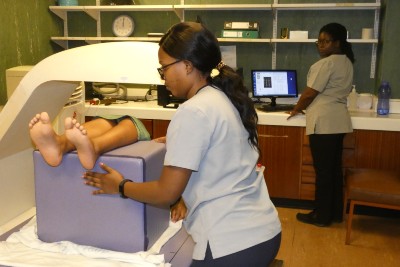
Children growing up with HIV infection have concerning deficits in skeletal strength which become more apparent towards the end of pubertal growth, finds the largest study to date to investigate the link between HIV and skeletal health in children. The study, conducted in Zimbabwe and published in The Lancet Child and Adolescent Health, identifies a link between these skeletal deficits and the first-line antiretroviral-HIV drug, tenofovir disproxil fumarate (TDF), which is widely used across sub-Saharan Africa.
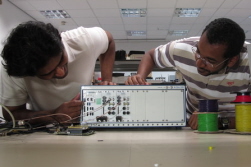
Wireless communications is a technology that is used every day. Across society, there is a move away from using the internet on desktop computers and towards smartphones, tablets and laptops. Engineers at the University of Bristol have developed a novel radio frequency (RF) design tool that will speed up the design of tuneable wireless devices and will enable smartphones to roam internationally.

Professor John Iredale, Pro Vice-Chancellor for Health at the University of Bristol, has been announced as Chair of the Medicine, Health and Life Sciences panel ahead of the next Research Excellence Framework (REF) in 2021.