Good Teacher Training Guide ranks University of Bristol programmes in top five
The University of Bristol has been rated as one of the best in England for secondary teacher training by Higher Education Institutes.

The University of Bristol has been rated as one of the best in England for secondary teacher training by Higher Education Institutes.

A series of five evidence-based short films and factsheets about autism for the Somali community have been launched by National Institute for Health Research (NIHR) funded researchers at the University of Bristol and community organisation Autism Independence.

A team of scientists, led by the University of Bristol, has discovered that a marked decrease in summer cloud cover during the last 20 years has significantly accelerated melt from the Greenland ice sheet.
Professor Hugh Brady, Vice-Chancellor and President, paid tribute to the late Prince Philip today.
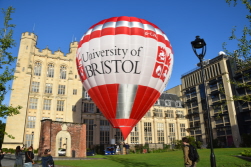
One of the University of Bristol’s most iconic sights – its hot air balloon – has had a makeover and took to the skies for the first time today [18 May].
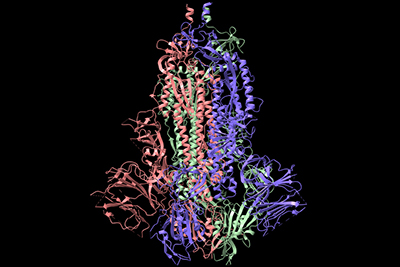
Evidence is emerging that vitamin D – and possibly vitamins K and A – might help combat COVID-19. A new study from the University of Bristol published in the journal of the German Chemical Society Angewandte Chemie has shown how they – and other antiviral drugs – might work. The research indicates that these dietary supplements and compounds could bind to the viral spike protein and so might reduce SARS-CoV-2 infectivity. In contrast, cholesterol may increase infectivity, which could explain why having high cholesterol is considered a risk factor for serious disease.
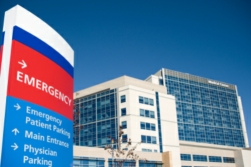
How parents and clinicians make life or death medical decisions involving very young children is the focus of a new study published in the Archives of Disease in Childhood. The findings may offer insight into how the ‘best interests’ of a child are decided, when consensus between parents and clinicians can’t be reached.
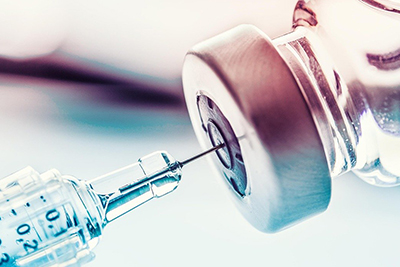
Four in 10 people think those without a Covid-19 vaccination will be discriminated against, while around a quarter of the public have concerns about vaccine passports, according to a new study. The research, by the University of Bristol and King’s College London, also finds that three in ten people say the vaccine rollout has increased their trust in the UK government, and that before the latest news about the AstraZeneca vaccine, a majority did not believe it causes blood clots.
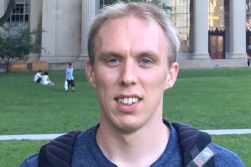
Dr Thomas Gorochowski, from the University of Bristol’s Bristol BioDesign Institute, has been awarded a prestigious five-year University Research Fellowship by the Royal Society.

Homelessness and unstable housing are associated with a substantial increase in HIV and hepatitis C virus (HCV) acquisition risk among people who inject drugs, according to research led by the NIHR Health Protection Research Unit in Behavioural Science and Evaluation at the University of Bristol.