
Translational Health Sciences

Study to examine how sleep during lockdown affects older people with or without dementia

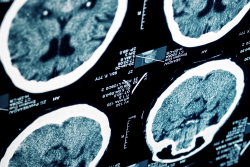
It has long been known that disrupted sleep can increase the risk of dementia and anecdotal evidence suggests COVID-19 anxiety is having a detrimental effect on sleep. A new UK-wide study led by academics at the University of Bristol will focus on how the current lockdown is affecting sleep in older people with and without dementia. It is hoped the findings will increase our understanding of how sleep can influence brain health and long-term dementia risk.
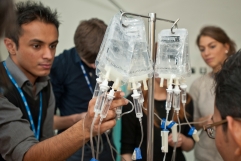
Launch of Bristol Medical School marks new era for medical education

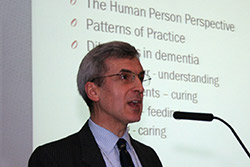
The University of Bristol will launch the Bristol Medical School today [Tuesday 1 August]. This marks a new era for medical research and education in the West of England. Comprising around 1,330 students and 900 staff, the Bristol Medical School will provide a home for researchers, teachers and students, who through research and teaching will improve the health of individuals and populations locally, nationally and internationally.

New international consortium to accelerate drug discovery in kidney diseases

A new consortium to accelerate the discovery of novel drugs to treat kidney diseases is announced today [Monday 6 November]. The NEPLEX (nephron on a chip with cellular and extracellular matrix complexity) consortium, comprising leading academic institutions including the Universities of Bristol and Cambridge, and Evotec AG, will combine key technologies to develop and build a novel drug discovery device ("Nephron-on-a-Chip").