Translational Health Sciences

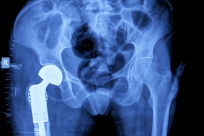
What is the best way to treat infected hip replacements?

New research has found treating an infected hip replacement in a single stage procedure may be as effective or better than the widely used two-stage procedure. To date no well-designed study has compared these procedures head-to-head to decide if one is better or if they achieve the same results. Hip replacement is a very common operation that is effective at providing pain relief and improving mobility, however, infection can sometimes occur following joint replacement. The findings have wide implications for orthopaedic surgery, the NHS, and health systems worldwide.

ICU mortality from COVID-19 continued to fall in 2020, but improvement is slowing

A meta-analysis of global studies has shown that intensive care morality from COVID-19 has continued to fall since the start of the pandemic, but the improvement is slowing and may have plateaued. The study, published today [2 February] in Anaesthesia (a journal of the Association of Anaesthetists), is by Professor Tim Cook, Consultant in Anaesthesia and Intensive Care Medicine at the Royal United Hospitals Bath NHS Foundation Trust and Honorary Professor in Bristol Medical School: Translational Health Sciences (THS) at the University of Bristol, and colleagues.


One dose of COVID-19 vaccines effective against hospitalisations in over 80s

Interim results presented here show the effectiveness of one dose of the Pfizer-BioNTech and Oxford-AstraZeneca vaccines in preventing hospitalisation of people in their 80s with multiple comorbidities. The AvonCAP study results are reported for the first time today [3 March] by researchers from the University of Bristol, University Hospitals Bristol and Weston NHS Foundation Trust (UHBW) and North Bristol NHS Trust (NBT).