
Feeding mode of ancient vertebrate tested for first time
A feeding method of the extinct jawless heterostracans, among the oldest of vertebrates, has been examined and dismissed by scientists at the University of Bristol, using fresh techniques.
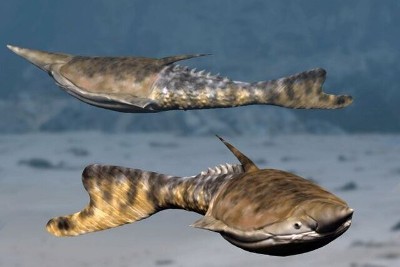
A feeding method of the extinct jawless heterostracans, among the oldest of vertebrates, has been examined and dismissed by scientists at the University of Bristol, using fresh techniques.
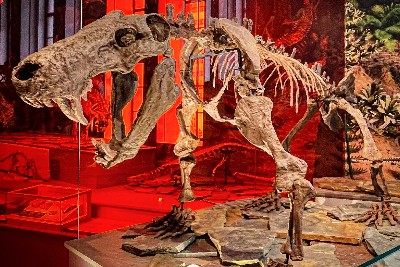
The evolutionary success of the first large predators on land was driven by their need to improve as killers, researchers at the University of Bristol and the Open University suggest.
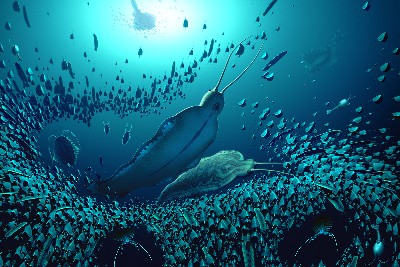
Fossils of a new group of animal predators have been located in the Early Cambrian Sirius Passet fossil locality in North Greenland. These large worms may be some of the earliest carnivorous animals to have colonised the water column more than 518 million years ago, revealing a past dynasty of predators that scientists didn’t know existed.
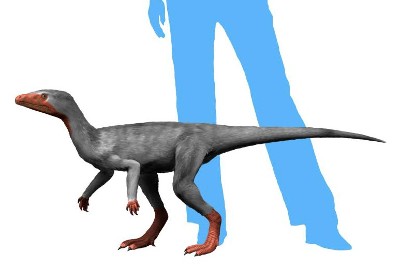
Dinosaurs’ range of locomotion made them incredibly adaptable, University of Bristol researchers have found.
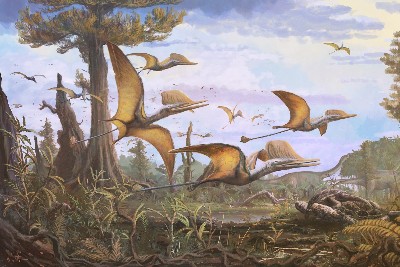
A new species of pterosaur from specimens found on the Isle of Skye, Scotland, has been announced by scientists from the University of Bristol Natural History Museum, University of Leicester, and University of Liverpool.
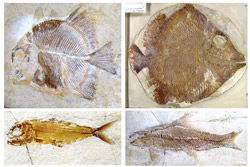
Scientists from the University of Bristol have revealed that ray-finned fishes are perhaps one of Earth’s most resilient groups of animals, having survived four mass extinction events that wiped out many other groups.
Scientists have used computer simulations to reconstruct feeding in the common ancestor shared between humans and starfish, which lived over half a billion years ago.
The inner workings of a tiny fossil have been studied using X-ray microscopy, revealing evidence of the digestive system for the first time. Researchers from the University of Bristol, Appalachian State University, the University of Tennessee, Knoxville and the Paul Scherrer Institut analysed the unique fossil specimen using high-energy X-rays at the Swiss Light Source in Switzerland.

University of Bristol researcher Dr Elena Couce will cycle around one of the most diverse areas of our oceans on a 14 month mission to raise awareness of climate change and marine conservation.
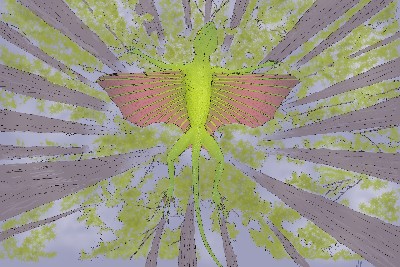
Gliding winged-reptiles were amongst the ancient crocodile residents of the Mendip Hills in Somerset, researchers at the University of Bristol have revealed.