
Isotopes in prehistoric cattle teeth suggest a variety of herding strategies were used during the Neolithic
Over the course of the Neolithic period, secondary products from cattle such as milk, manure and animal power became more important.
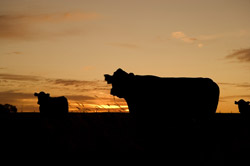
Over the course of the Neolithic period, secondary products from cattle such as milk, manure and animal power became more important.
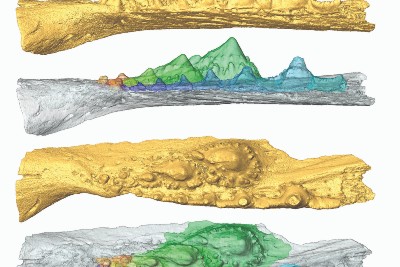
The origins of a pretty smile have long been sought in the fearsome jaws of living sharks which have been considered living fossils reflecting the ancestral condition for vertebrate tooth development and inference of its evolution. However, this view ignores real fossils which more accurately reflect the nature of ancient ancestors.
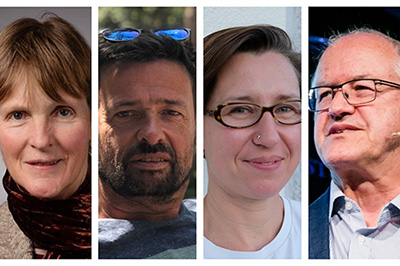
University of Bristol academics Professor Mike Benton, Dr Ellen Brooks Pollock, Professor Tim Cook and Professor Jane Memmott have all received awards in this year’s Queen’s Birthday Honours list which recognises the achievements and service of people across the UK.
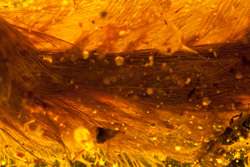
Researchers from China, Canada, and the University of Bristol have discovered a dinosaur tail complete with its feathers trapped in a piece of amber.
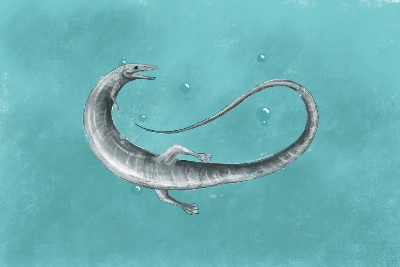
Researchers at the University of Bristol have found that fast evolution can lead to nowhere.

A new study, led by a University of Bristol earth scientist, has shown that recently reported unexpected behaviour on Titan, the largest moon of Saturn, is due to its unique atmospheric chemistry.
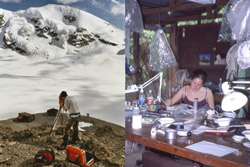
Applications are now open for funded places on an exciting range of projects offered to PhD students at the University of Bristol on the themes of solid earth, living world and changing planet under the NERC GW4+ Doctoral Training Programme.
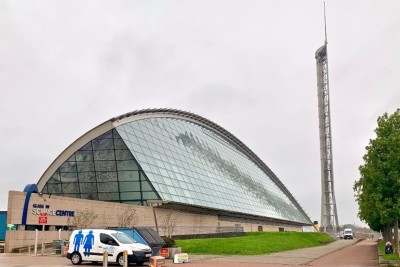
Leading atmospheric scientists are measuring emissions of the most dangerous greenhouse gases at COP26 and sharing them live online to highlight how rigorous measurement and detailed data reporting are essential in the fight against climate change.
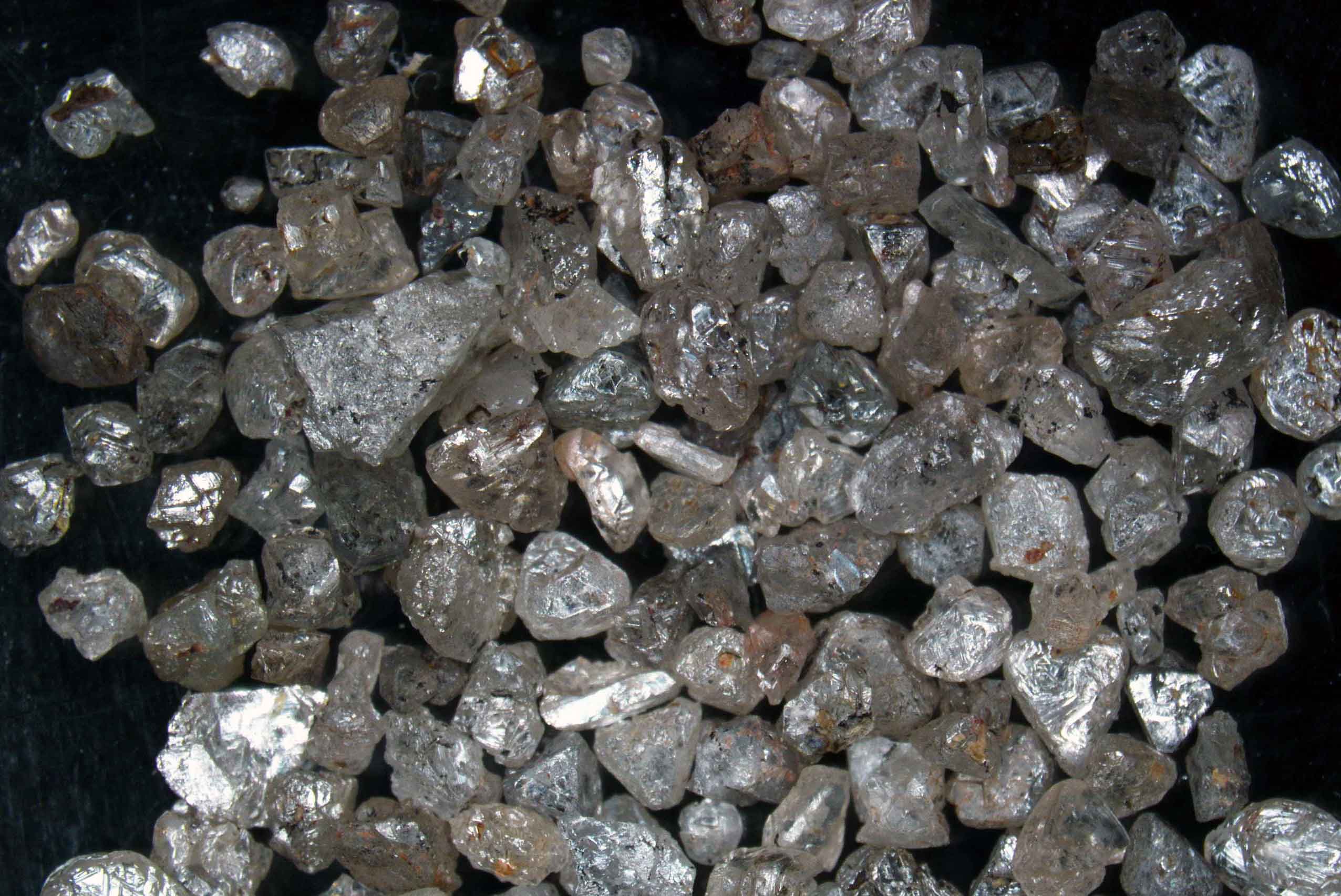
Researchers at the University of Bristol have discovered new insights into previously hidden parts of the earth’s carbon cycle. The team found that carbon recycling extends into the deep mantle by plate subduction, but is still primarily constrained to upper mantle depths, above 700km. The researchers made the discovery that certain rare diamonds are formed when carbon that was sequestered from seawater into the Earth’s shifting tectonic plates reacts with the mantle after the plate is subducted – a process by which it moves under another tectonic plate and sinks into the mantle as the plates converge.

Dr Kate Hendry and Professor Jon Blundy – both members of the University of Bristol’s Cabot Institute and School of Earth Sciences – have won two of the three awards bestowed this year by the European Association of Geochemistry (EAG).