
Eyes that lie: protective deception of eyespots confirmed
The widespread occurrence of eyespots, from butterflies to fish, has intrigued biologists for years but the mechanism behind their function has, until now, remained unclear.
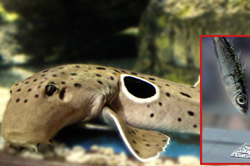
The widespread occurrence of eyespots, from butterflies to fish, has intrigued biologists for years but the mechanism behind their function has, until now, remained unclear.
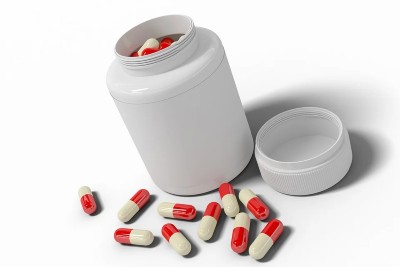
When people stop taking antidepressants after a long period of use, just over half (56 per cent) experience a relapse within a year, compared to 39 per cent of those who stay on medication, finds a new study led by UCL and involving researchers from the universities of Bristol, Southampton, York and McMaster University in Canada.

The Government needs to do more to support children and young people who arrive in the UK as migrants, before they commit a crime and face deportation.

A new study by researchers from the University of Bristol could help to improve the efficiency of surgery and tackle the growing backlog of surgery caused by the COVID-19 pandemic.
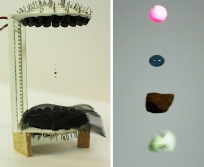
Levitation techniques are no longer confined to the laboratory thanks to University of Bristol engineers who have developed an easier way for suspending matter in mid-air by developing a 3D-printed acoustic levitator. This new technique, published in Review of Scientific Instruments, could be applied to a range of applications, including blood tests.

After analysing a database of geological records dated within the last 100,000 years, a team of scientists from the University of Bristol has discovered the average time between so-called volcanic super-eruptions is actually much less than previously thought.
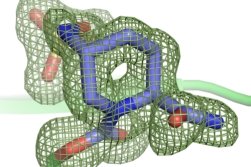
Two recent studies led by the University of Bristol provide significant new hope in the fight against antibiotic resistance. By identifying what makes some bacteria resistant to the most commonly prescribed antibiotics, and how this can be reversed, the findings have demonstrated potentially life-saving consequences and could help reverse the tide of antibiotic resistance.
.jpg)
A team of researchers from Bristol’s Quantum Engineering and Technology Labs (QETLabs) has shown how to protect qubits from errors using photons in a silicon chip.

A team of scientists, led by the University of Bristol, with colleagues from Goethe University, Frankfurt, has found the first evidence for ancient honey hunting, locked inside pottery fragments from prehistoric West Africa, dating back some 3,500 years ago.
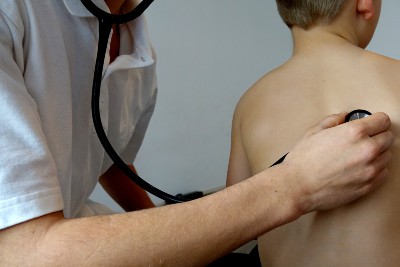
The largest randomised placebo-controlled trial of the antibiotic amoxicillin for treating chest infections in children - one of the most common acute illnesses treated in primary care in developed countries, has found it is little more effective at relieving symptoms than the use of no medication. The study, published in The Lancet and funded by the National Institute for Health Research (NIHR), was led by researchers from the University of Southampton and supported by centres at the Universities of Bristol, Oxford and Cardiff.