
Research

How vitamins, steroids and potential antivirals might affect SARS-CoV-2

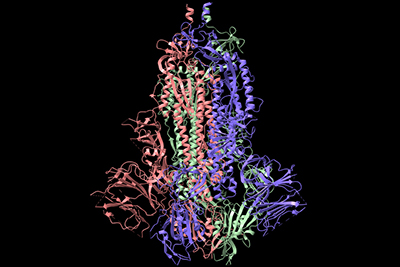
Evidence is emerging that vitamin D – and possibly vitamins K and A – might help combat COVID-19. A new study from the University of Bristol published in the journal of the German Chemical Society Angewandte Chemie has shown how they – and other antiviral drugs – might work. The research indicates that these dietary supplements and compounds could bind to the viral spike protein and so might reduce SARS-CoV-2 infectivity. In contrast, cholesterol may increase infectivity, which could explain why having high cholesterol is considered a risk factor for serious disease.

Covid vaccines: passports, blood clots and changing trust in government

Four in 10 people think those without a Covid-19 vaccination will be discriminated against, while around a quarter of the public have concerns about vaccine passports, according to a new study. The research, by the University of Bristol and King’s College London, also finds that three in ten people say the vaccine rollout has increased their trust in the UK government, and that before the latest news about the AstraZeneca vaccine, a majority did not believe it causes blood clots.