
Attenborough series reveals University research into how animals see the world
A wildlife series narrated by Sir David Attenborough is beaming research by several University of Bristol academics into living rooms around the world.
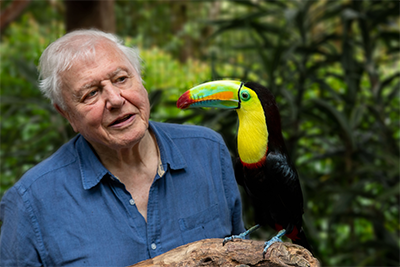
A wildlife series narrated by Sir David Attenborough is beaming research by several University of Bristol academics into living rooms around the world.
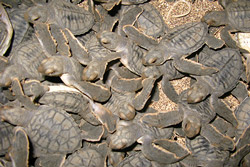
New research has found that green turtles hatching en masse from their nests 'swamp' predators, allowing more individuals to reach the safety of the sea.
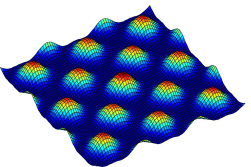
A team of researchers at the University of Bristol have used ultrasonic forces to accurately pattern thousands of microscopic water-based droplets. Each droplet can be designed to perform a biochemical experiment, which could pave the way for highly efficient lab-on-a-chip devices with future applications in drug discovery and clinical diagnostics.
Richard Craig, a Research Engineer at the University’s Industrial Doctoral Centre in Systems, has been awarded first prize in the inaugural UK Council for Graduate Education (UKCGE) BIG 2014 Image competition.
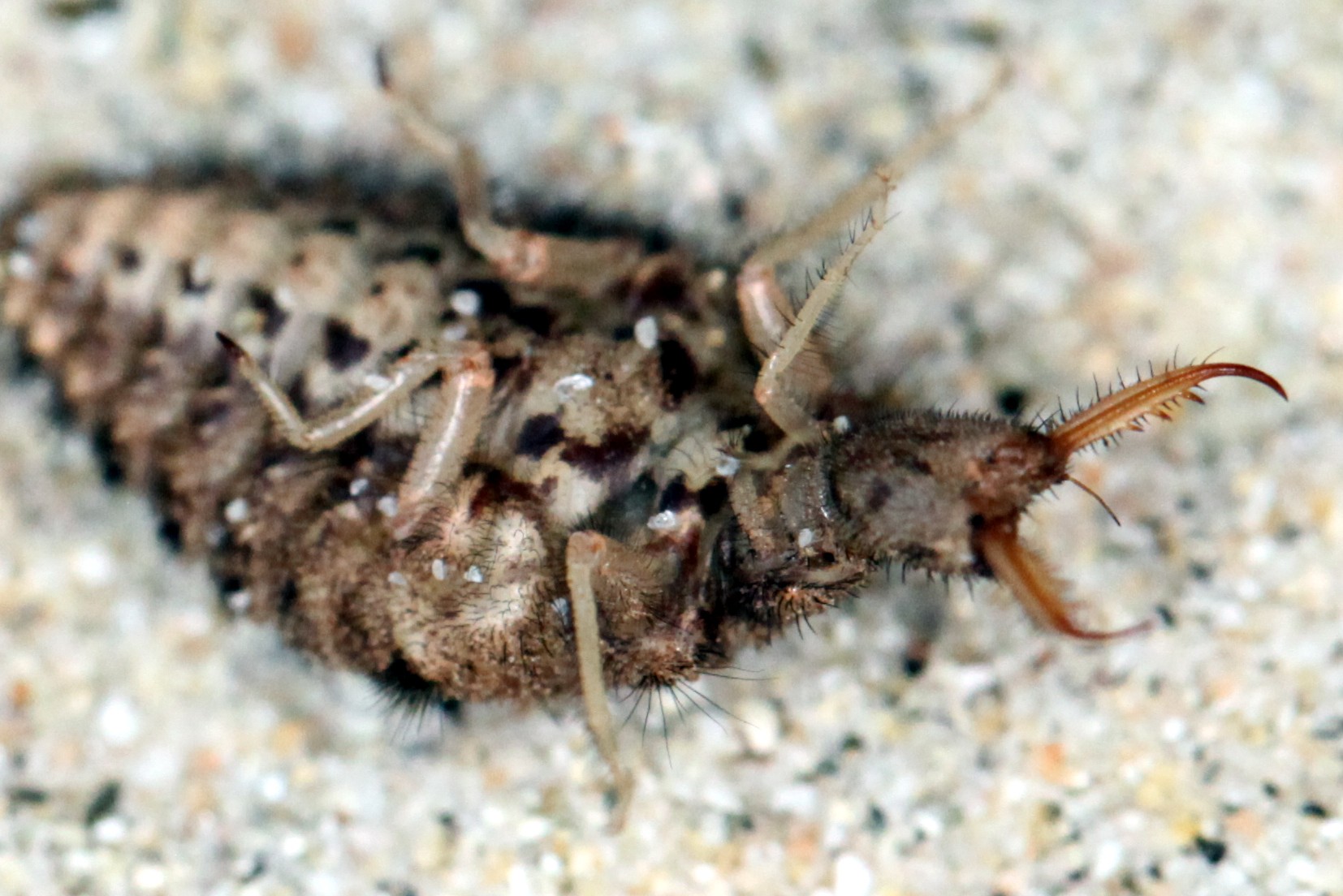
Many animals feign death to try to escape their predators, with some individuals in prey species remaining motionless, if in danger, for extended lengths of time.

Child deaths have fallen to very low rates in all industrialised countries, but many deaths in children and adolescents are still potentially preventable, and much more could be done to cut future deaths, according to a new three-part series on child deaths in high-income countries, published in The Lancet.

New research has revealed the healthy carriers of a gene that causes a rare respiratory disease are taller and larger than average, with greater respiratory capacity. The disease, alpha1-antitrypsin deficiency (AATD) can result in severely reduced lung capacity due to emphysema. It is found in about 1 in 2,000 people, and occurs when an individual inherits a defective gene copy from both parents.
Research carried out by University of Bristol academics together with composite manufacturing and training has been given a boost thanks to the installation at the National Composites Centre (NCC) of a new autoclave and CT scanner. The equipment has been funded as part of a £3 million grant awarded to the University from the Engineering and Physical Sciences Research Council (EPSRC).
The publication of a study led by Dr Matthew Ridd, Consultant Senior Lecturer in Primary Health Care in the School of Social and Community Medicine, is one of the winners of the Royal College of General Practitioners (RCGP) Research Paper of the Year 2015.
Just how bad was T-rex’s bite? New research from the University of Bristol has found that the feeding style and dietary preferences of dinosaurs was closely linked to how wide they could open their jaws.