
Research reveals countries where record-breaking heatwaves are likely to cause most harm
A new study has highlighted under-prepared regions across the world most at risk of the devastating effects of scorching temperatures.
A new study has highlighted under-prepared regions across the world most at risk of the devastating effects of scorching temperatures.

Pet rabbits have higher levels of the stress hormone - corticosterone - and show activity rebound when kept in small hutches with restricted exercise, new research led by the University of Bristol Vet School has found. The research, funded by the RSPCA, highlights the importance that pairs of pet rabbits should have the freedom to exercise outside their home enclosure even when they are kept in hutches larger than the traditional size.

For several decades, paleontologists and molecular biologists have squabbled over dating the tree of life.

Child deaths in England increased during 2021 to 2022 and have returned close to pre-pandemic levels, according to a new study, led by researchers from the University of Bristol’s National Child Mortality Database (NCMD) team and published in JAMA Network Open today [9 January].

A University of Bristol alumnus and honorary research fellow has been awarded a British Empire Medal (BEM) in recognition of services to bat conservation spanning more than six decades.

Dr Helen Weavers, Associate Professor in Cell and Developmental Biology in the Faculty of Health and Life Sciences, has been awarded the Women in Cell Biology (WCIB) Early Career Medal 2025 by the British Society for Cell Biology (BSCB).
.png)
Three University of Bristol professors have been appointed to a panel which will shape the UK’s academic research.

Predicting where future fooding and droughts will strike next in the UK is set to become easier with a pioneering initiative harnessing the latest technology and real-time data.

Artificial light can wake sleeping fish and attract predators, changing nighttime coral reef communities, according to new research using novel underwater infrared cameras.
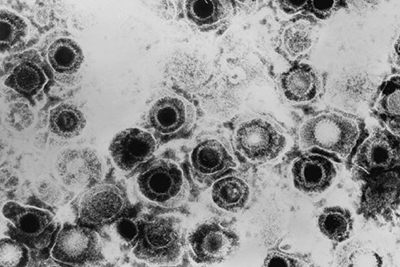
Around 846 million people aged between 15 and 49 are living with genital herpes infections – more than 1 in 5 of this age-group globally - according to new estimates. At least 1 person each second – 42 million people annually - is estimated to acquire a new genital herpes infection.