
Mobile species are ‘glue’ which connect different habitats together, study finds
A groundbreaking study conducted across 30 field sites in the southwest UK has revealed the importance of incorporating varied habitats into the landscape at large.

A groundbreaking study conducted across 30 field sites in the southwest UK has revealed the importance of incorporating varied habitats into the landscape at large.

Children exposed to the anti-seizure drug lamotrigine during pregnancy were at no increased risk for autism or intellectual disability than those exposed to other anti-seizure medications, according to a new study on the use of eight different anti-seizure drugs published in Nature Communications today [15 November].

Shining a light on the potential anti-inflammatory properties of natural endomorphins.
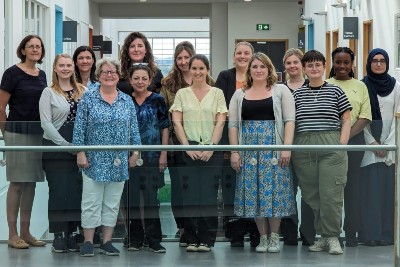
Two new studies to understand more about type 1 diabetes and how it develops in people who already have early markers of the disease in their blood are announced today [14 November] on World Diabetes Day. The awards, totalling over £1 million will help University of Bristol researchers find out how the disease, which affects up to 400,000 people in the UK, could be prevented in future.

New research from the University of Bristol, published today in 'Nature Cell Biology', has shown how to increase the length of root hairs on plants, potentially improving crop yields, as plants with longer root hairs take up minerals and water more efficiently.

A new study has shown the benefit of using a quick clinic-based diagnostic test for hepatitis C virus (HCV) infection over a standard laboratory-based test. The findings from the study has led to World Health Organization (WHO) guidelines recommending the adoption of the point-of-care (POC) HCV test.

New research has revealed factories globally are not properly destroying one of the most potent greenhouse gases emitted from the production of fluoropolymers like Teflon, and refrigerants.
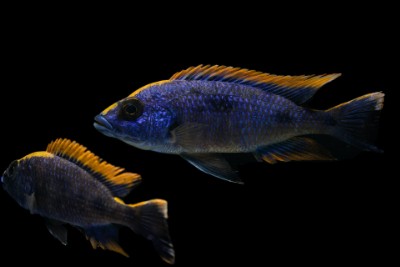
Scientists, led by University of Bristol, have been studying a fish sensory organ to understand cues for collective behaviour which could be employed on underwater robots.

New information about the metallic state from which high temperature superconductivity emerges, has been revealed in an innovative experiment performed at the University of Bristol.
A new study highlights how some marine life could face extinction over the next century, if human-induced global warming worsens.