Research

Research could help young people born with cleft lip and palate achieve best outcomes when moving to adult care

Cleft lip and/or palate is a lifelong condition affecting one in 700 births. A new research programme, led by the University of Bristol and thanks to funding of nearly £2 million by the National Institute for Health and Care Research (NIHR), will investigate how ethnicity, sex, socio-economic status, health literacy and geography affect outcomes for young adults born with a cleft. The findings will establish how to address this variation and ensure that all young adults have the same chance of achieving the best possible outcomes.


World’s first urban 5G experience hosted by University of Bristol and Watershed

For the first time anywhere in the world this weekend [Saturday 17 and Sunday 18 March] people in Bristol will experience the next generation of wireless technology – 5G in a public urban environment. There will be spectacular 3D-like projections, a virtual reality dance piece, a guided tour on which people can take a walk through time, and a programme of talks and demonstrations that are open for everyone.

Global research network to combat deadly Strep A infections

Bristol researchers are part of a newly-launched multi-institution network to research bacterial cause of sepsis and heart damage in children. Each year, around half a million people, including many children and young people, die around the world because of serious group A streptococcal (Strep A) bacterial infections. While most cases are relatively mild – affecting only the skin or throat - some infections can lead to deadly sepsis or autoimmune damage to the heart. There is currently no available vaccine for Strep A.

Pre-school health programme does not improve children’s diet or physical activity, prompting call for policy changes, study finds

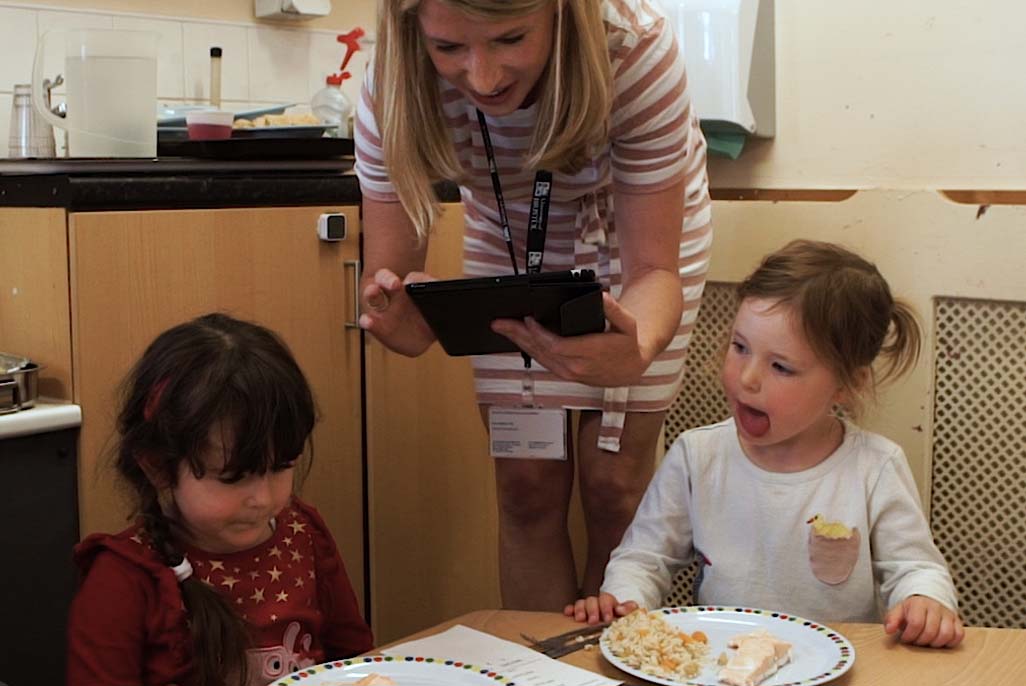
A pre-school diet and physical activity programme does not improve children’s calorie intake or overall physical activity levels in nursery settings, a new University of Bristol-led study has found. The research published in The Lancet Regional Health - Europe today [18 December] highlights the need for policy-led rather than intervention-led approaches to improving young children’s health.