
What’s hopping around in your pond?
A free, innovative educational app that teaches children about the lifecycle and habitats of tadpoles has been developed and launched by computer science students from the University of Bristol.
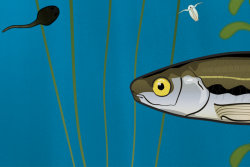
A free, innovative educational app that teaches children about the lifecycle and habitats of tadpoles has been developed and launched by computer science students from the University of Bristol.
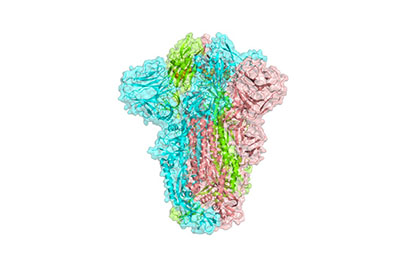
A druggable pocket in the SARS-CoV-2 Spike protein that could be used to stop the virus from infecting human cells has been discovered by an international team of scientists led by the University of Bristol. The researchers say their findings, published today [21 September] in the journal Science, are a potential 'game changer' in defeating the current pandemic and add that small molecule anti-viral drugs developed to target the pocket they discovered could help eliminate COVID-19.
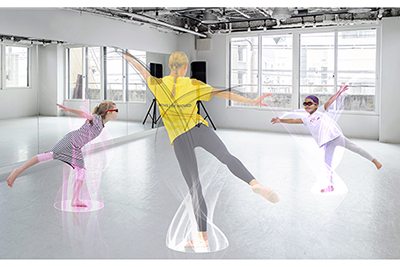
Computer vision experts from the University of Bristol are part of a new consortium, led by BT, driving the technology that will revolutionise the way we consume live events, from sports such as MotoGP and boxing, to dance classes.

Experts estimate up to one third of people attending specialist memory clinics could have a condition that is commonly mistaken for early dementia.

Since the outset of the COVID-19 pandemic, there has been much debate about the danger to hospital staff from anaesthetic procedures. Concerns include that placing a tube in the patient's airway (intubation) before surgery or removing it at the end (extubation) may produce a fine mist of small particles (called aerosols) and spread the COVID-19 virus to nearby staff.
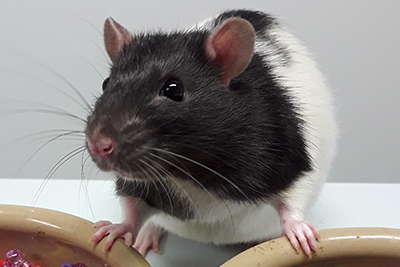
Not all rats like to be tickled but by listening to their vocalisations it is possible to understand in real-time their individual emotional response, according to new research by the University of Bristol. The study, published today [21 September] in Current Biology, suggests that if this same relationship is observed for other situations, then it may be possible to use call patterns in rats to measure their emotional response and understand how best to improve their welfare.

A University of Bristol academic is one of over 50 scientists to be awarded funding through the Academy of Medical Sciences Springboard programme. In its largest-ever funding initiative for early-career researchers, the Academy is investing £7.6 million to tackle urgent health challenges from Alzheimer’s disease, cancer and obesity to addiction and climate change impacts on health.
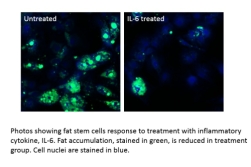
Obesity is responsible for the deaths of over three million people a year worldwide due to its associated diseases such as diabetes, cancer and cardiovascular disease.
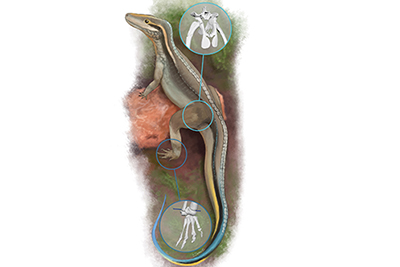
Scientists from the University of Bristol and the Royal Veterinary College (RVC) used three-dimensional computer modelling to investigate the hindlimb of Euparkeria capensis–a small reptile that lived in the Triassic Period 245 million years ago–and inferred that it had a “mosaic” of functions in locomotion.

Boys and girls who experience puberty earlier than their peers have an increased risk of self-harm in adolescence, a study funded by the National Institute for Health Research Bristol Biomedical Research Centre (NIHR Bristol BRC) and published in the journal Epidemiology and Psychiatric Sciences today [Tuesday 6 October] has found.