
Ancestor of arthropods had the mouth of a penis worm
Fresh evidence from a series of expeditions to North Greenland have led palaeontologists to solve an age-old mystery about a distinctive group of arthropods.
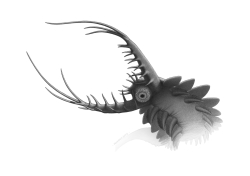
Fresh evidence from a series of expeditions to North Greenland have led palaeontologists to solve an age-old mystery about a distinctive group of arthropods.

Innovative medical research led by the University of Bristol has been given a £7.5 million boost thanks to fresh funding from the Wellcome Trust.
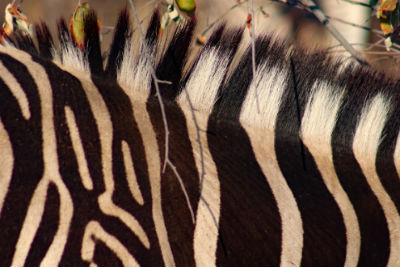
The mystery of why zebras have their characteristic stripes has perplexed researchers for over a century.

The University of Bristol is to take part in a new research project to determine the best ways universities are reaching out to mature learners, particularly those in under-represented groups.

Digital technology can present both opportunities and harms to young people and their mental health. A new research project is asking for young adults to take part in a UK-wide online survey to identify the importance of adolescents' digital technology use to consultations about mental health.
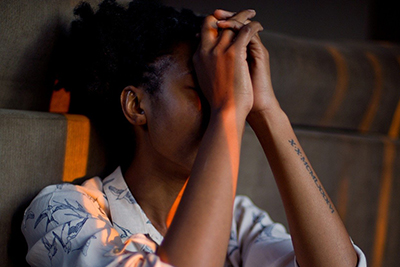
A pioneering study into people's experience of bereavement during the COVID-19 pandemic has been launched by researchers from the universities of Cardiff and Bristol. The study is calling for participants, particularly those from black, Asian and minority ethnic (BAME) backgrounds following the disproportionate effect COVID-19 has had on ethnic minority groups.
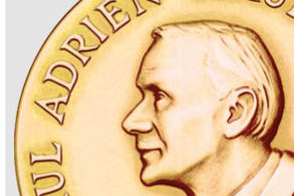
The Institute of Physics (IOP) has awarded the Dirac medal to Professor Sandu Popescu for his contribution to quantum physics, recognising his work to further the understanding of quantum physics and his research into nonlocality.
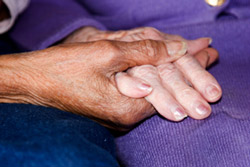
Dementia experts in Bristol are holding a free public meeting on Monday 4 July to discuss the latest research findings and boost public understanding of the condition. The meeting will involve short talks from dementia experts from scientific, medical, technological and legal backgrounds, all of whom are working to improve the lives of people living with the condition.
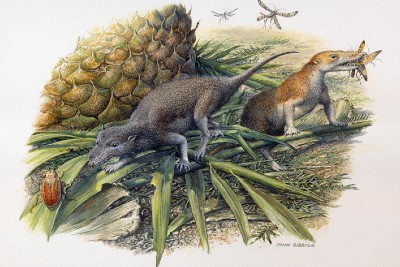
Pioneering analysis of 200 million-year-old teeth belonging to the earliest mammals suggests they functioned like their cold-blooded counterparts - reptiles, leading less active but much longer lives.

A new study based on GPS measurements of the Earth’s crust suggests that previous calculations of past and present-day mass loss in the Greenland Ice Sheet may have been underestimated.