
Bristol scientists see through glass frogs’ translucent camouflage
Glass frogs are well known for their see-through skin but, until now, the reason for this curious feature has received no experimental attention.
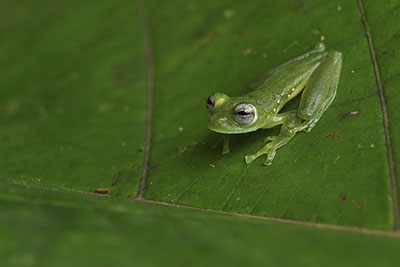
Glass frogs are well known for their see-through skin but, until now, the reason for this curious feature has received no experimental attention.
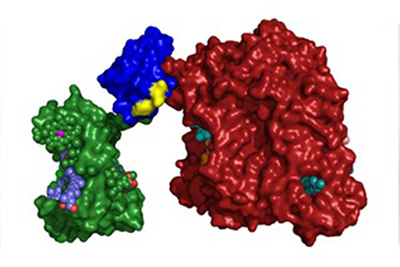
A team of scientists, led by the University of Bristol, has developed a new photosynthetic protein system enabling an enhanced and more sustainable approach to solar-powered technological devices.

Pharmacies could play a crucial role in identifying and referring victims of domestic and sexual violence and abuse to specialist services but need ongoing training, support and adequate funding to do so, according to researchers from the University of Bristol's Centre for Academic Primary Care and National Institute for Health Research Applied Research Collaboration West (NIHR ARC West).

Given the unhelpful surge of conspiracy theories circulating regarding Covid-19, a new ‘Conspiracy Theory Handbook’ is published this week. The book summarises the scientific research into conspiracy theories: why people believe them, the traits of conspiratorial thinking, and how to counter them.
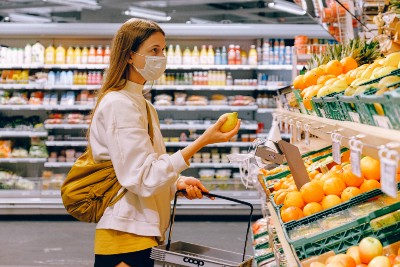
Customers panic buying in droves, running out of stock on many basic essentials, and imposing product purchase restrictions may now be less of a headache for retailers, but plenty of other hurdles lie ahead as life slowly returns to some semblance of normality and non-essential shops prepare to reopen in mid-June.

Results of research to discover how communities are changing will be presented at an event in London today.
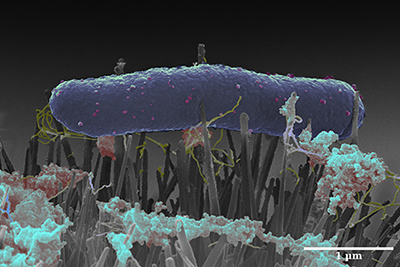
Some insect wings such as cicada and dragonfly possess nanopillar structures that kill bacteria upon contact. However, to date, the precise mechanisms that cause bacterial death have been unknown.

For the first time, an international group of scientists, has come up with a way to estimate on a large scale how phosphorus flows through an environment over many decades. The research team, including the University of Bristol, found the UK is using less fertilizer to grow food and that both historically and currently, it is a world leader in modern wastewater treatment.
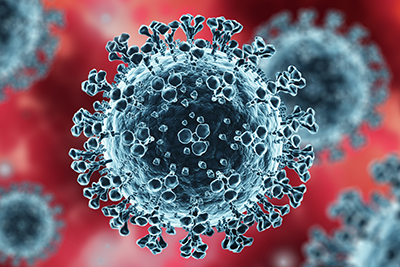
Researchers at North Bristol NHS Trust (NBT), University Hospitals Bristol and Weston NHS Foundation Trust (UHBW) and the University of Bristol are set to begin a new phase of trials of a vaccine pioneered in the UK which could protect against COVID-19.

The most interesting theses produced by University of Bristol PhD students have been revealed.