

Population Health Sciences

New worldwide estimates for herpes simplex virus type 2 published

New global estimates for herpes simplex virus type 2 show that over 400-million people worldwide were infected with the virus in 2012. The estimates underline the extent to which herpes simplex virus type 2 – the virus which causes genital herpes – is widespread throughout the world causing a significant burden of disease. The research, led by University of Bristol academics and the World Health Organisation [WHO], is published in the journal PLOS ONE.

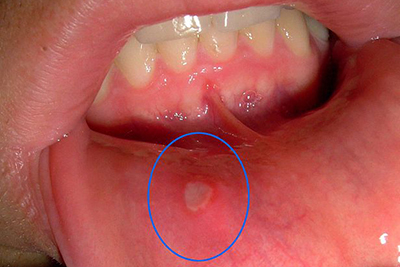
Could genetic breakthrough finally help take the sting out of mouth ulcers?

A large breakthrough has been made in the genetic understanding of mouth ulcers which could provide potential for a new drug to prevent or heal the painful lesions. Mouth ulcers affect up to 25 per cent of young adults and a higher proportion of children. Previous research has shown that mouth ulcers are partially heritable, but until now there has been little evidence linking specific genes or genomic regions to mouth ulcers.

Bristol part of €20.8 million study to drive drug discovery for atopic dermatitis and psoriasis

The lives of patients affected by atopic dermatitis and psoriasis could be improved thanks to the start of an EU-funded research project BIOMAP (Biomarkers in Atopic Dermatitis and Psoriasis). The five-year project will address key unmet needs in treating these common inflammatory skin conditions by analysing data from more than 50 000 patients to improve disease understanding, patient care and future therapies.