
Research reveals why the zebra got its stripes
Why do zebras have stripes? A study published in PLOS ONE today [Wednesday 20 February] takes us another step closer to answering this puzzling question and to understanding how stripes actually work.

Why do zebras have stripes? A study published in PLOS ONE today [Wednesday 20 February] takes us another step closer to answering this puzzling question and to understanding how stripes actually work.

Starting university is a life-changing moment in most people’s lives, but for new student Hyppolite Ntigurirwa it really is a dream come true after surviving the Rwandan genocide 20 years ago.

The COVID-19 pandemic raises important questions about the role of life sciences in society and if the voices of scientists are now less audible or less important, is this a problem and how can this be addressed? This question will be one of many tackled by a panel, including Nobel Prize-winning biologist, Sir Paul Nurse and Bristol Mayor, Marvin Rees, for a live online event to celebrate the launch of the University of Bristol's Faculty of Life Sciences.

A new research project, led by University of Bristol academics, to identify the effects of exercise on young people’s hearts has been announced today [Wed 28 Jan 2015]. Manchester United’s Academy players are being put through their paces having their hearts monitored by the latest imaging technology to give invaluable insights into how young people’s hearts work while doing exercise.

Meningococcus group B, the most prevalent strain of meningococcal infection, is prevented with 79 per cent effectiveness in children and young adults inoculated with the 4CMenB vaccine, also known as Bexsero, according to a new collaborative study from researchers in Portugal and the UK and led by the University of Bristol which evaluated the vaccine’s performance in a real-world setting. The findings are published today [1 December] in the Journal of the American Medical Association (JAMA).

Researchers at the University of Bristol and King's College London are leading a major new study to investigate COVID-19 perceptions and misperceptions, lockdown compliance and vaccine hesitancy.

Today [Friday 8 March] International Women's Day [IWD 2019] is celebrating the social, economic, cultural and political achievements of women but worldwide, domestic violence and abuse (DVA) is still experienced by almost one in three women. It has become a major public health issue, with profound physical and mental health impact. A research project by the University of Bristol, funded by AXA Research Fund, aims to develop resources that will help informal groups, such as friends and family, support women who experience domestic violence.
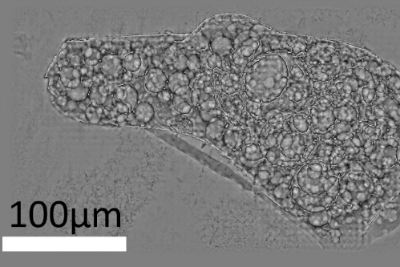
A joint UK-Japan team has used innovative visualisation techniques to analyse forensic materials in order to understand the sequence of events of the Fukushima nuclear accident.

The Vice-Chancellor, Professor Sir Eric Thomas, will officially sign the Global Farm Platform Statement of Intent on Tuesday 10 February.
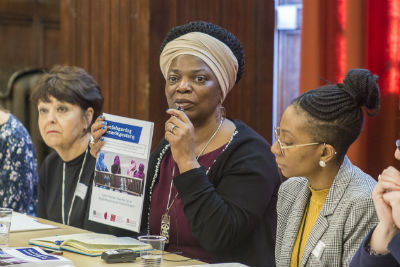
Mothers, fathers and young Somali adults have expressed a pervasive sense of disempowerment, traumatisation and victimisation at the hands of statutory services, feeding into a new report that urges authorities to change their approach.