
Atopic eczema: one size does not fit all
Researchers from the UK and Netherlands have identified five distinct subgroups of eczema, a finding that helps explain how the condition can affect people at different stages of their lives.
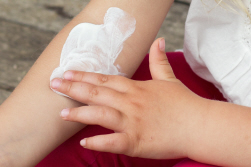
Researchers from the UK and Netherlands have identified five distinct subgroups of eczema, a finding that helps explain how the condition can affect people at different stages of their lives.
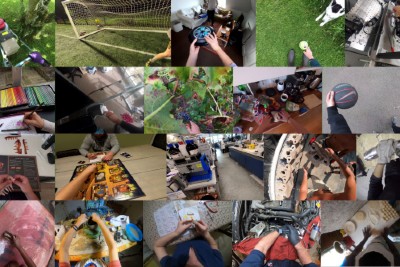
The University of Bristol is part of an international consortium of 13 universities, in partnership with Facebook AI, that have collaborated to advance egocentric perception.

The number of children in England who died fell to 3,067 between April 2020 – March 2021. This is 356 fewer deaths than were recorded in the preceding 12 months (April 2019 – March 2020), and likely represents the lowest level of child mortality on record, according to a new study by researchers at the Universities of Bristol and Cardiff and published today [7 December] in Archives of Disease in Childhood.

The risk of severe illness and death from SARS-CoV-2, the virus that causes Covid-19, is extremely low in children and teenagers, according to the most comprehensive analyses of public health data, led by researchers at UCL, University of Bristol, University of York and the University of Liverpool.

University of Bristol research associate Asier Marzo demonstrated a mid-air display of ‘floating pixels’ using soundwaves and force fields to Spanish actress and model, Penélope Cruz and actor, Chino Darín, on the Spanish TV programme El Hormiguero.
A highly successful, evidence-based domestic violence and abuse identification and referral programme (IRIS – Identification and Referral to Improve Safety) developed by researchers at the University of Bristol has launched as a social enterprise today, with plans to scale up its activity and grow the programme across the UK and internationally.

More than 2.6 million stillbirths continue to occur globally every year with very slow progress made to tackle this ‘silent problem’, according to new research published in The Lancet.

The use of non-invasive breathing support, commonly known as CPAP or HFNO, to treat moderate to severe COVID-19 infection, isn’t linked to a heightened infection risk, as currently thought, suggest two new studies which included work led by University of Bristol researchers. The findings and a linked editorial are published today [4 November] in Thorax .

A student who learnt to sew a year ago so she could help end period poverty is now running a global network of 1,000 volunteer sewers.

A collaboration between University of Bristol engineers and a company founded by Bristol graduates has been awarded a £1.2 million to develop a surface inspection system for offshore wind turbines using drones.