
International

Teenagers with incontinence are at risk of underachieving at secondary school

Continence problems are among the most common paediatric health problems. It's commonly believed that continence problems resolve with age in all children. However, severe incontinence in childhood can persist into adolescence. New research has found teenagers with incontinence are at greater risk of underachieving academically, and need more support to remove barriers so they can reach their academic potential.
No 'weekend admission effect' for the elderly sustaining broken hips in the NHS

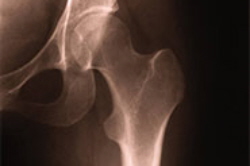
New research has found NHS patients admitted to hospital at the weekend with a hip fracture are at no greater risk of death compared to weekdays. In fact, the risk of death during the hospital stay was lower at the weekend than in the week. Only a delay to surgery; undergoing surgery on a Sunday, when provision for operations in many hospitals is less, being discharged from hospital on a Sunday; or out of hours were associated with an increased risk of death at 30 days.

All in the head? Brains adapt to support new species

Scientists studying forest dwelling butterflies in Central and South America have discovered that changes in the way animals perceive and process information from their environment can support the emergence of new species. The study led by the University of Bristol, and published today [9 February] in the Proceedings of the National Academy of Sciences (PNAS), has implications for how new species might evolve and the underappreciated role of changes in the brain.