
Scouting out bacterial defences to find new ways to counter-attack antibiotic resistance
Research led by the University of Bristol has begun to unpick an important mechanism of antibiotic resistance and suggest approaches to block this resistance.
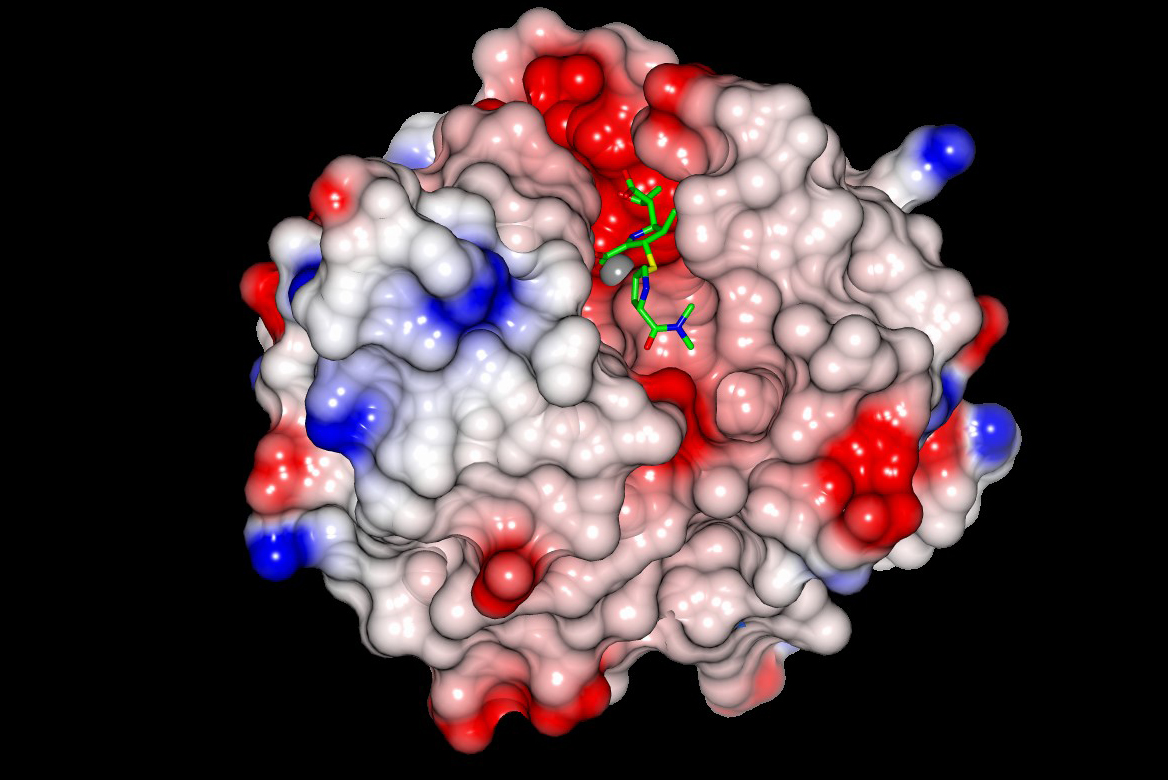
Research led by the University of Bristol has begun to unpick an important mechanism of antibiotic resistance and suggest approaches to block this resistance.

Doctors and nurses often prescribe antibiotics for children with cough and respiratory infection to avoid return visits, symptoms getting worse or hospitalisation. In a study published in the British Journal of General Practice today [Tuesday 11 September], researchers from the Universities of Bristol, Southampton, Oxford and Kings College London found little evidence that antibiotics reduce the risk of children with cough ending up in hospital, suggesting that this is an area in which unnecessary antibiotic prescribing could be reduced.

A study analysing millions of Tweets has revealed that Republican members of the US Congress are increasingly circulating news from dubious sources, compared to their European counterparts.

The question whether the rise in usage of digital media is contributing to the erosion of democracy is a source of popular debate, with tech companies arguing findings are inconclusive.
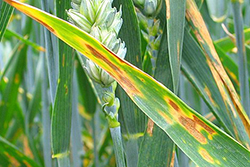
Scientists from the Universities of Bristol and Hannover studying a naturally-produced compound that inspired the biggest selling family of commercial agricultural fungicides have, for the first time, discovered how this important class of compound is synthesised in nature. The findings could potentially be used in the future to enable a ‘pick and mix’ approach with combinations of enzymes to make designer biosynthetic pathways for new compounds that could help to control crop diseases.

Injecting drug use, through the sharing of needles, syringes and other injecting equipment, is a primary route of transmission for both HIV and hepatitis C virus (HCV), blood-borne infections that cause considerable morbidity and mortality worldwide. New research led by the University of Bristol has found among people who inject drugs, that recent incarceration was associated with an 81 per cent and 62 per cent increase in HIV and HCV acquisition risk, respectively.
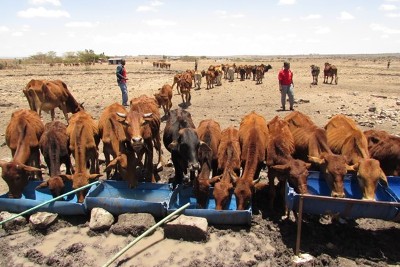
New research indicates better groundwater supply management could hold the key to help combat the impact of climate change in East Africa, where countries are currently facing the worst drought and food insecurity in a generation.

Boosting physical activity levels and curbing sitting time are highly likely to lower breast cancer risk, finds research designed to strengthen proof of causation. The study led by Cancer Council Victoria in Australia, and including the Bristol Medical School: Population Health Sciences, is published online today [6 September] in the British Journal of Sports Medicine.

A trailblazing chemist from the University of Bristol has been awarded a prestigious fellowship to help progress vital research, which could help patients overcome addiction, manage chronic pain, and treat cystic fibrosis.

A team of leading University of Bristol researchers on hot topics, ranging from climate change policy to adapting to a warming world and ensuring the transition to a net zero economy is fair, are poised to join the 2022 United Nations Climate Change Conference.