Bristol in top five universities targeted by top employers for fifth year in a row
A major new report has revealed that students at the University of Bristol are among the most targeted by Britain’s top 100 employers.
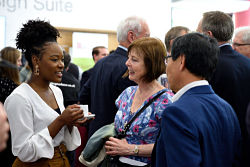
A major new report has revealed that students at the University of Bristol are among the most targeted by Britain’s top 100 employers.
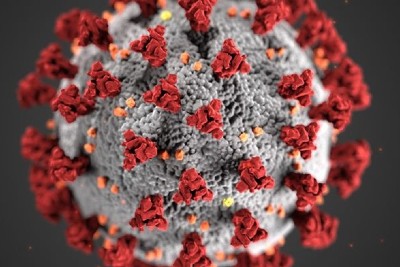
Faster vaccine development could be a step closer thanks to £4 million investment to Imophoron Ltd, a Bristol University biotech start-up developing a novel, next generation rapid-response vaccine platform called ADDomer™. Imophoron will use the investment to bring ADDomer vaccines to clinical stage, initially targeting three viruses, RSV (respiratory syncytial virus), COVID-19, and mosquito-borne Chikungunya.
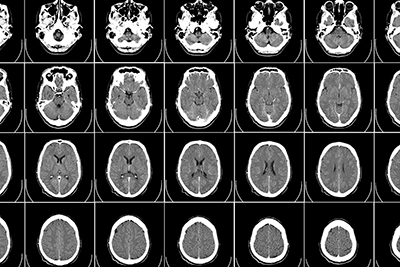
A new simple blood test for brain tumours that could be used by GPs in primary care will be developed thanks to funding of nearly £500,000 by Cancer Research UK. Around 60,000 patients in the UK are living with a brain tumour but only 20 per cent of patients are still alive five years after diagnosis, partly because they present late with large inoperable tumours.
A Bristol-led, international project investigating a new method of controlling the growth of organic crystals, with potential benefits for pharmaceutical development, has been awarded EU funding.

A Bristol art project about migration has won the 2016-2018 Vera List Centre Prize for Art and Politics. Presented every two years to an artist, or group of artists, whose work furthers social justice, this year the winner is Brazilian artist Maria Thereza Alves, who created Bristol’s Floating Ballast Seed Garden, in collaboration with the University of Bristol Botanic Garden, Bristol City Council and Arnolfini.
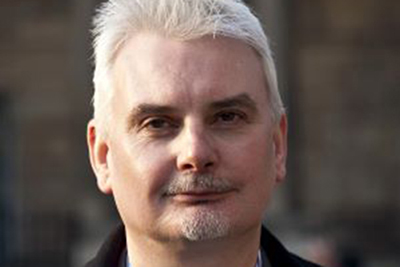
Stephen Hilton, founder and director of Bristol Futures Global, has become Bristol Digital Futures Institute’s first fellow.

Bristol has been named as one of the most sustainable universities in the country.

The University of Bristol has won two awards from the Medical Research Council (MRC) to support translational research – work that turns fundamental scientific discoveries into improvements in human health and economic benefit. A total of £650,000 was awarded to the University to provide flexible funding for early stage translational projects, to enable the development of academic-industry collaborations, and allow impact development.

Dr Kate Hendry and Professor Jon Blundy – both members of the University of Bristol’s Cabot Institute and School of Earth Sciences – have won two of the three awards bestowed this year by the European Association of Geochemistry (EAG).

The University of Bristol has been awarded £505,000 research and development funding as part of the UK Japan Civil Nuclear Programme to develop laser contamination cleaning techniques for nuclear industry applications.