New drug offers hope for devastating childhood disease
A powerful new drug which could relieve the symptoms of devastating childhood disease Rett syndrome is on the horizon thanks to a funding injection of £180,000.

A powerful new drug which could relieve the symptoms of devastating childhood disease Rett syndrome is on the horizon thanks to a funding injection of £180,000.

A research centre which focuses on improving the health and wellbeing of children has been awarded £4.3 million funding to continue its work for a further five years.

The Universities of Bristol and Manchester will lead the world’s largest ever research programme into cleft lip and palate.

A team at the University of Bristol has won £75,000 funding to tackle lung cancer - the UK’s biggest cancer killer.

Postgraduate training in a wide range of engineering and scientific fields important to the UK’s economy received a boost this week when 19 new Centres for Doctoral Training (CDTs) were announced by Universities and Science Minister, David Willetts.

Haydn Mason, Emeritus Professor and Senior Research Fellow in the Department of French, has been elected a Fellow of the Learned Society of Wales.
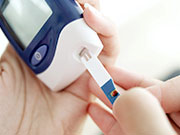
The autoimmune process leading to type 1 diabetes can develop quickly in some children and young people but very slowly in others despite the presence of proteins in their blood indicating an on-going autoimmune process in the pancreas. Thanks to combined funding of over $1 million a new study hopes to understand why some people develop type 1 diabetes very early while others who are known to be at risk are protected for decades.

A leading cell biologist from the University of Bristol has been recognised for research excellence by EMBO — one of Europe’s most prestigious life sciences organisations.

Researchers at the University of Bristol are joining forces with Samaritans to carry out groundbreaking research into the role the internet plays for those with suicidal thoughts.

A collaborative research project led by the University of Bristol that could significantly improve our understanding of the role of Candida albicans in gum and jaw disease has been awarded $2 million by the US National Institutes for Health (NIH).