
Autism is not linked to eating fish in pregnancy
A major study examining the fish-eating habits of pregnant women has found that they are not linked to autism or autistic traits in their children.

A major study examining the fish-eating habits of pregnant women has found that they are not linked to autism or autistic traits in their children.
The less commonly prescribed opioid substitute buprenorphine may be safer than methadone for problem opioid users, especially if used during the first month of treatment, according to a study by researchers from the University of Bristol, King’s College London, University of Manchester and Bristol Drugs Project, with implications for guidance on GP prescribing.

People in the UK bereaved during the first nine months of the COVID-19 pandemic showed higher levels of grief and support needs if they were socially isolated or lonely.

New technology that could radically improve the outlook for patients with serious heart conditions has been developed by scientists at the Auckland Bioengineering Institute (ABI) and the Universities of Bristol and Bath together with Ceryx Medical Limited.
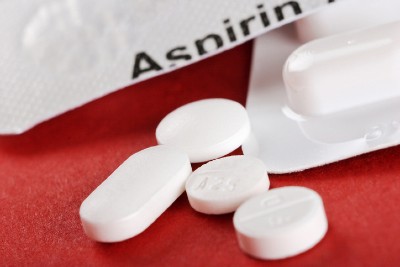
Antiplatelet drugs such as aspirin have little effect on the need for life support in COVID-19, but they may improve survival in the following months according to a new international study led in the UK by researchers at the University of Bristol and Imperial College London.

Researchers at the University of Bristol are looking for people with an inherited neurological condition called Friedreich's ataxia (FA) to take part in a study into whether a stem cell therapy could be a treatment for FA.
Researchers from the University of Bristol have found that there have been increases in incident prescribing of most anti-anxiety medications (called anxiolytics) in recent years, which have been substantial in young adults (aged under 25).
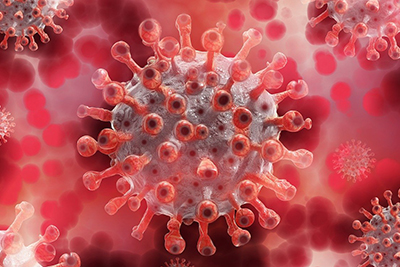
A new study has shown how SARS-CoV-2 may contribute to severe microvascular damage seen in severely-ill COVID-19 patients by transforming human heart vascular cells into inflammatory cells, without infecting them. The University of Bristol-led research, published in Clinical Science, indicates blocking antibodies could represent a new treatment to alleviate cardiovascular complications.
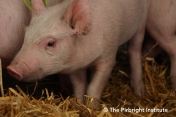
Researchers from The Pirbright Institute, University of Bristol, Cardiff University and University of Oxford have generated tools that allow scientists to understand a vital area of the pig immune system which was previously inaccessible.
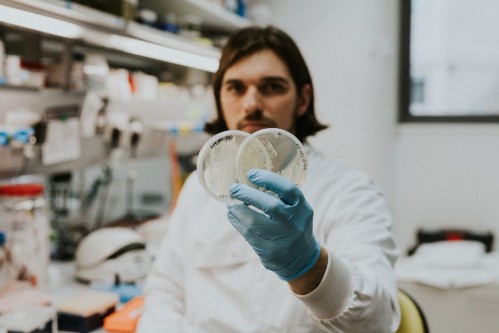
A new centre for engineering biology will build on Bristol’s success in synthetic biology and accelerate translation of its pioneering research to address global challenges and boost the UK’s bioeconomy.