
Subjects at the University of Bristol are world-class, new league table confirms
Many of the courses taught at the University of Bristol are among the best in the world, according to a new international league table.

Many of the courses taught at the University of Bristol are among the best in the world, according to a new international league table.

The University will receive €13M for globally significant research into anti-microbial resistance, artificial reproduction, futuristic materials, quantum mechanics, the philosophy of evolution and a truth taskforce to combat misinformation.

Findings from a study published today [6 July] in the Journal of the American Medical Association (JAMA) have prompted new World Health Organization (WHO) recommendations to use interleukin-6 antagonists in patients with severe or critical COVID-19 along with corticosteroids.

Young infants show strong immune responses to SARS-CoV-2, new research has found. In particular, compared with adults, young infants produce relatively high levels of antibodies and immune cells that can specifically protect against COVID-19.

Chronic pain is a major global public health challenge that causes significant disability. A new research consortium and national chronic pain data hub could improve outcomes for the many people living with painful and debilitating conditions, such as fibromyalgia, lower back pain, headaches and migraines, thanks to a joint £14 million grant from UKRI and Versus Arthritis.
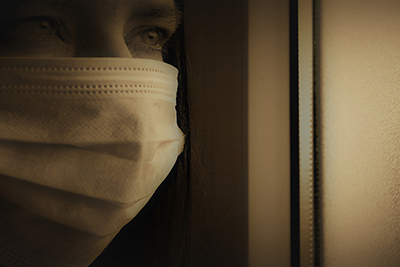
New research shows impact of grief during the pandemic as two thirds of bereaved people report experiencing social isolation and loneliness. Those bereaved due to COVID-19 were also less likely to be involved in care decisions and be well supported by healthcare professionals after the death of their loved one.

Actions to reduce the number of babies born before 37 weeks’ gestation and improve their outcomes are among the recommendations made by the University of Bristol National Child Mortality Database (NCMD) team, who carried out national analysis of child deaths in England. This is one of the findings, published today [10 June] in NCMD’s second annual report, which aims to learn lessons from all child deaths in order to reduce the number of children who die in the future.

An expert review by an international group of scientists, including the World Health Organisation (WHO), Food and Drug Administration (FDA) and the University of Bristol, concludes that, even for the Delta variant, vaccine efficacy against severe COVID is so high that booster doses for the general population are not appropriate at this stage in the pandemic.
.jpg)
Teenagers who use cannabis frequently may be more likely to have children born preterm, when they become parents up to twenty years later, finds a new University of Bristol-led study. The research, published in Scientific Reports, repeatedly assessed 665 participants in a general population cohort on their tobacco and cannabis use between ages 14 to 29 years, before pregnancy.
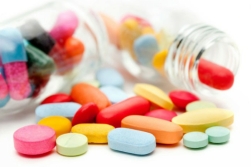
In response to the urgent and global threat of antimicrobial resistance (AMR), the Medical Research Foundation (MRF), the charitable foundation of the Medical Research Council, has invested £2.85M in delivering the UK’s first nationwide PhD training programme to focus on this major health challenge.