Faculty of Health Sciences

Dog’s body size and shape could indicate a greater bone tumour risk

Osteosarcoma is a painful and aggressive bone tumour in dogs that is known to be more common in certain breeds than others. New research has now confirmed that larger breeds, such as Rottweiler, Great Dane and Rhodesian Ridgeback, have a greater risk of osteosarcoma than smaller breeds, as well as showing that breeds with shorter skulls and legs have lower osteosarcoma risk. The findings could inform future breed health reforms as well as studies into the way tumours develop from normal bone.

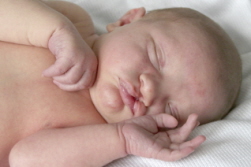
Over a fifth of all child deaths in England could be avoided by reducing deprivation, new report finds

Around 700 child deaths that occur in England each year might be avoided by reducing deprivation, finds a new NHS England-funded report published today [13 May]. The University of Bristol National Child Mortality Database (NCMD)-led analysis identified a clear association between the risk of death and level of deprivation for children in England, for all categories of death except cancer.

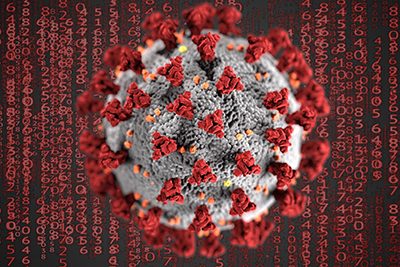
GW4 takes a world leading One Health approach to tackling the antimicrobial resistance pandemic

The GW4 Alliance (Bath, Bristol, Cardiff and Exeter universities – GW4) formally launched their new ‘One Health’ antimicrobial resistance research consortium this week [Wednesday 16 June]. The World Health Organisation cites antimicrobial resistance (AMR) as one of the most significant risks facing the world. AMR threatens global health and development as it impacts on human, animal and plant health and also our environment, water safety and food security.