
High blood pressure in pregnancy linked to mother's heart function
Pregnant women who develop high blood pressure, or have small babies, may have hearts that pump less blood with each beat.
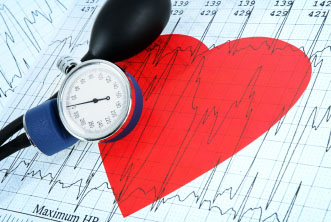
Pregnant women who develop high blood pressure, or have small babies, may have hearts that pump less blood with each beat.

A cathedral trained stone carver, illustrator and stained glass artist are just some of the local artisans who have been paired with Bristol researchers to create a stunning array of science-inspired art works as part of Creative Reactions Bristol [11 to 22 May].
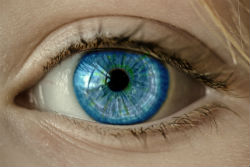
Myopia, or short-sight, is one of leading causes of visual disability in the world. The global prevalence is rising rapidly and has reached epidemic levels in the developed countries of East and Southeast Asia. Now a new study, led by the University of Bristol, has shed some light on why the length of time spent in education is a causal risk factor for myopia.
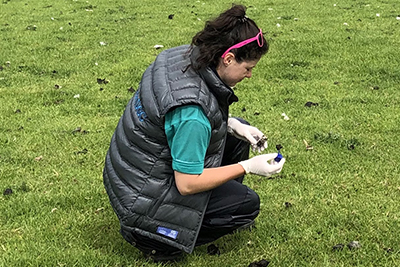
Bacterial sampling is now underway to assess the abundance and types of antimicrobial resistance (AMR) in bacteria on Welsh dairy, beef and sheep farms.

A new National Child Mortality Database (NCMD) is being developed at the University of Bristol that aims to reduce premature mortality by analysing data on all deaths in children in England, aged between birth and their 18th birthday.

A student who completed all 102 Olympic sports during the Tokyo games has been awarded an MBE.
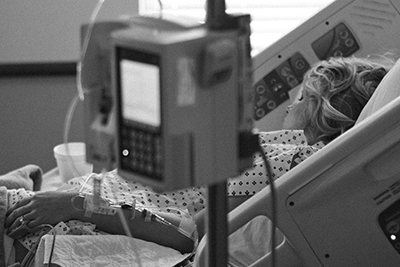
A meta-analysis of global studies has shown that intensive care morality from COVID-19 has continued to fall since the start of the pandemic, but the improvement is slowing and may have plateaued. The study, published today [2 February] in Anaesthesia (a journal of the Association of Anaesthetists), is by Professor Tim Cook, Consultant in Anaesthesia and Intensive Care Medicine at the Royal United Hospitals Bath NHS Foundation Trust and Honorary Professor in Bristol Medical School: Translational Health Sciences (THS) at the University of Bristol, and colleagues.

From a harp replica of the Clifton Suspension Bridge to a dress made from 4,400 lights, the University of Bristol is presenting a series of events during Digital Bristol Week which promises to entertain, inspire and enlighten.
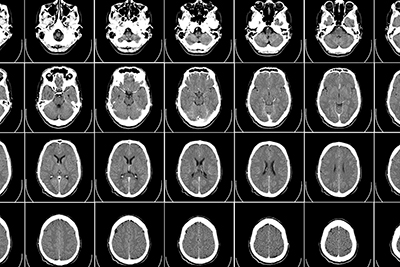
New research on brain tumours could improve patient diagnosis and treatment options as part of a precision medicine approach. Brain tumours are the leading cause of cancer deaths in children and adults under the age of 40, with 16,000* people in the UK diagnosed with a brain tumour each year.
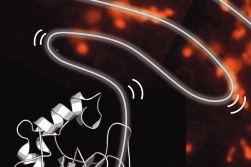
The human mouth can harbour more than 700 different species of bacteria. Under normal circumstances these microbes co-exist with us as part of our resident oral microbiota. But when bacteria spread to other tissues via the blood stream, the results can be catastrophic.