Bristol Medical School

Simple clinical tool can help diagnose spinal fractures in people with osteoporosis

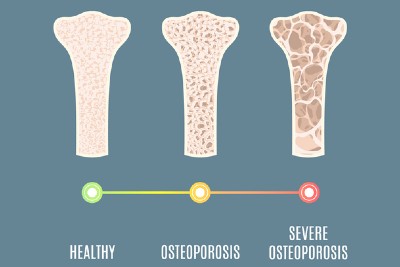
Only one in three patients are diagnosed with broken bones in the back due to osteoporosis. One reason is that medical staff find it difficult to know who should have a back X-ray. To help address this important diagnostic care gap, academics at the University of Bristol have developed an online clinical checklist called Vfrac, to assist medical staff spot vertebral fractures that might otherwise have been missed.

Genetic variations in DNA could help improve efficacy of clinical trials

The evolution of medicine relies heavily on the results of clinical trials, which while essential, are extremely costly and carry the potential of unintended adverse consequences. Now researchers from the University of Bristol have devised a new DNA-based method that could better predict whether clinical trials will be effective, potentially saving millions of pounds and ultimately improving the lives of patients.

Experts call for health system change to tackle the challenge of multimorbidity in the NHS

The number of people with multiple long-term conditions, known as multimorbidity, is rising internationally, putting increased pressure on health care systems, including the NHS. Researchers from the 3D Study – the largest ever trial of a person-centred approach to caring for patients with multimorbidity in primary care - at the Universities of Bristol, Dundee, Manchester and Glasgow, are hosting a conference today [Thursday 25 October] with the Royal College of General Practitioners to discuss the challenges facing general practice and how the health care system needs to respond.