
9/11 can teach us how to support those bereaved during COVID-19, researchers find
Researchers from a leading end-of-life charity have looked to 9/11 and other mass death events for approaches to support people bereaved through COVID-19.

Researchers from a leading end-of-life charity have looked to 9/11 and other mass death events for approaches to support people bereaved through COVID-19.

A Somerset study into the most effective way to tackle domestic abuse has received a positive response from its first participants. Barnardo's in Somerset has been funded by the University of Bristol to deliver weekly groups to local men and improve safety for their partners, ex-partners and children.

Depression, schizophrenia and other mental health conditions affect 1 in 4 people in their lifetime, but mechanisms underlying these conditions are poorly understood. New research led by researchers at the University of Bristol has linked the body’s immune response with schizophrenia, Alzheimer’s disease, depression, and bipolar disorder. The study demonstrates mental health conditions might be affected by the whole body as well as changes in the brain. The findings could pave the way for better treatments of some mental health conditions.

As universities prepare to welcome students back, infectious disease modelling experts at the University of Bristol have conducted a rapid review and developed a new epidemic model which contributed to evidence considered by SAGE to assess the effectiveness of different interventions that could stop the spread of Sars-CoV-2 in a university setting. The findings, published on the preprint server medRxiv, provides the sector with recommendations to help reduce the risk for students, staff and the wider community.
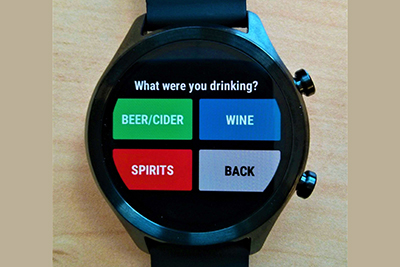
Alcohol harm costs NHS England £3.5 billion annually, with 70 people dying every day from alcohol-related causes in the UK (1). According to new University of Bristol-led research smartwatches could provide a more accurate picture of people’s daily drinking habits than current methods. The technology could be a key element for future alcohol interventions.

Many operations, due to the potential risk of COVID-19 aerosols being generated, have been delayed or are being performed with additional personal protective equipment (PPE), which has greatly reduced NHS services. A new National Institute for Health Research (NIHR) and UK Research and Innovation (UKRI)-funded study will identify which medical procedures are truly aerosol generating and whether the virus remains viable in the aerosol produced. The findings will be crucial in providing guidance about the safe reopening of essential NHS services.

Ensuring pupils and staff stay safe when they return to school this autumn is a major challenge because there is very little scientific evidence on the incidence and transmission of COVID-19 within schools. A ground-breaking research project will test whether 5,000 staff and pupils have active or past COVID-19 infection, develop systems to help schools prevent and cope with an outbreak and assess strategies to support the mental wellbeing of the school community now and moving forward.
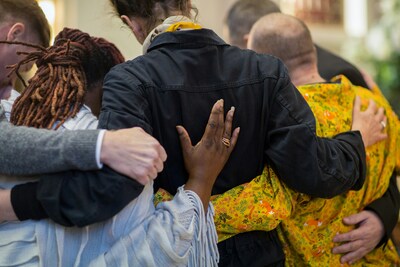
Grief affects everyone but is still very much a taboo subject in the UK. A new Centre - the first of its kind in the UK - hopes to shift public attitudes towards grief and create communities that are compassionate and connected in their support of people who are bereaved. The Centre for Grief Research and Community Engagement (Grief Centre) at the University of Bristol is launched today [24 April].
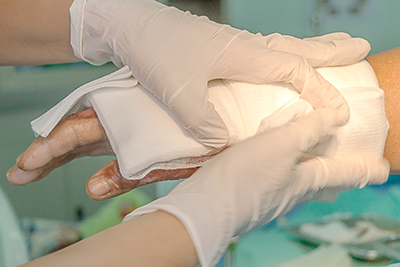
Each year, more than 11 million people worldwide suffer serious life-changing burns, affecting both adults and children. The largest-ever project of its kind — the Priorities in Global Burns Research partnership, led by the University of Bristol — has identified the top 10 priorities in burns care research from 88 countries. The findings are published today [23 April] in The Lancet Global Health.

The NIHR Bristol Biomedical Research Centre (BRC) - hosted by the University of Bristol and University Hospitals Bristol and Weston NHS Foundation Trust (UHBW) - is bringing together 12 other BRCs to host a translational research collaboration focusing on surgery and perioperative care.