
Exhibition depicts first year medics’ trials and triumphs during pandemic
Stunning art that captures the experience of studying first year medicine during a pandemic features in a moving online exhibition.
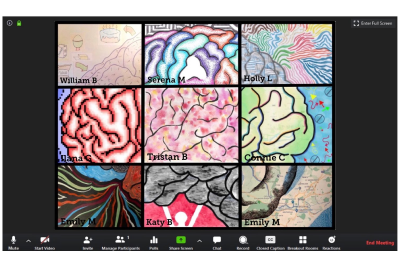
Stunning art that captures the experience of studying first year medicine during a pandemic features in a moving online exhibition.

Targeted testing of individuals with a range of signs and symptoms could improve diagnosis of coeliac disease, a new National Institute for Health Research (NIHR) funded study led by the University of Bristol and published in PLOS ONE has found. Signs and symptoms include family history of coeliac disease, dermatitis herpetiformis, anaemia, type 1 diabetes, osteoporosis and chronic liver disease.
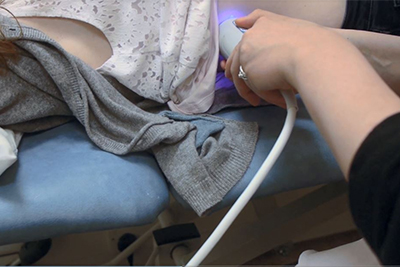
One in five young people have fatty liver disease (steatosis), with one in 40 having already developed liver scarring (fibrosis), research published today [15 January] has found. The study, published in The Lancet Gastroenterology & Hepatology, is the first to attempt to determine the prevalence of fatty liver disease and fibrosis in young healthy adults in the UK.

Rocket scientists and brain surgeons are no smarter than the general population, suggests a study published in the Christmas issue of The BMJ.
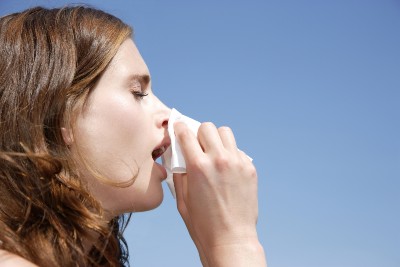
Allergic diseases such as asthma, atopic dermatitis and hay fever do not cause the onset of mental health conditions or vice versa, according to the findings of a new University of Bristol-led study published today (6 October) in the journal Clinical and Experimental Allergy.

Online GP consultations have unintended consequences that may put some patients at a disadvantage and create additional work for GP practice staff, a National Institute for Health Research (NIHR)-funded study at the University of Bristol has shown. The DECODE study, published in the British Journal of General Practice, examined the use of online consultations in primary care to improve how they will be used in the future.
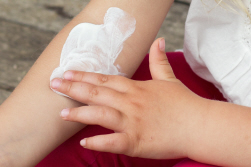
Researchers from the UK and Netherlands have identified five distinct subgroups of eczema, a finding that helps explain how the condition can affect people at different stages of their lives.

The risk of severe illness and death from SARS-CoV-2, the virus that causes Covid-19, is extremely low in children and teenagers, according to the most comprehensive analyses of public health data, led by researchers at UCL, University of Bristol, University of York and the University of Liverpool.

A new report led by University of Bristol academics has identified that 108 young people in England died under circumstances that were assessed as highly or moderately likely to be due to suicide between 2019 and 2020. The analysis, led by the University of Bristol’s National Child Mortality Database [NCMD] programme, which gathers comprehensive information on all children who die in England below the age of 18 years with the aim of identifying ways that could help reduce them in future, is published today [14 Oct].
A highly successful, evidence-based domestic violence and abuse identification and referral programme (IRIS – Identification and Referral to Improve Safety) developed by researchers at the University of Bristol has launched as a social enterprise today, with plans to scale up its activity and grow the programme across the UK and internationally.