Bristol BioDesign Institute

Discovery of a druggable pocket in the SARS-CoV-2 Spike protein could stop virus in its tracks

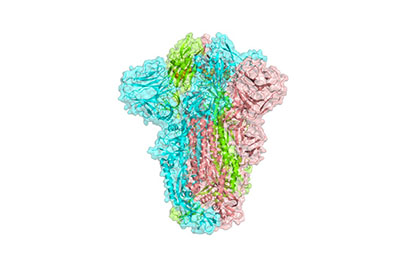
A druggable pocket in the SARS-CoV-2 Spike protein that could be used to stop the virus from infecting human cells has been discovered by an international team of scientists led by the University of Bristol. The researchers say their findings, published today [21 September] in the journal Science, are a potential 'game changer' in defeating the current pandemic and add that small molecule anti-viral drugs developed to target the pocket they discovered could help eliminate COVID-19.

New Max Planck-Bristol Centre for Minimal Biology launched

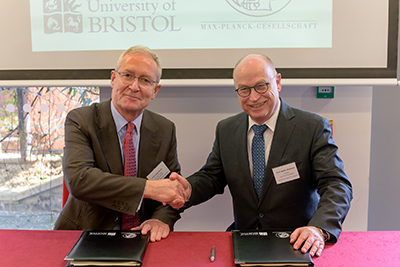
Building stripped-down versions of life using protocells, genome delivery systems and synthetic cytoskeletons comprise some of the groundbreaking research due to take place at a new Centre launched at the University of Bristol today [Wednesday 27 March]. The Max Planck-Bristol Centre for Minimal Biology, a partnership between the University of Bristol and the Max Planck Society for the Advancement of Science (MPG) in Germany, aims to advance the future of health and medicine by understanding the fundamental nature of life.