
Integrative Cancer Epidemiology Partnership
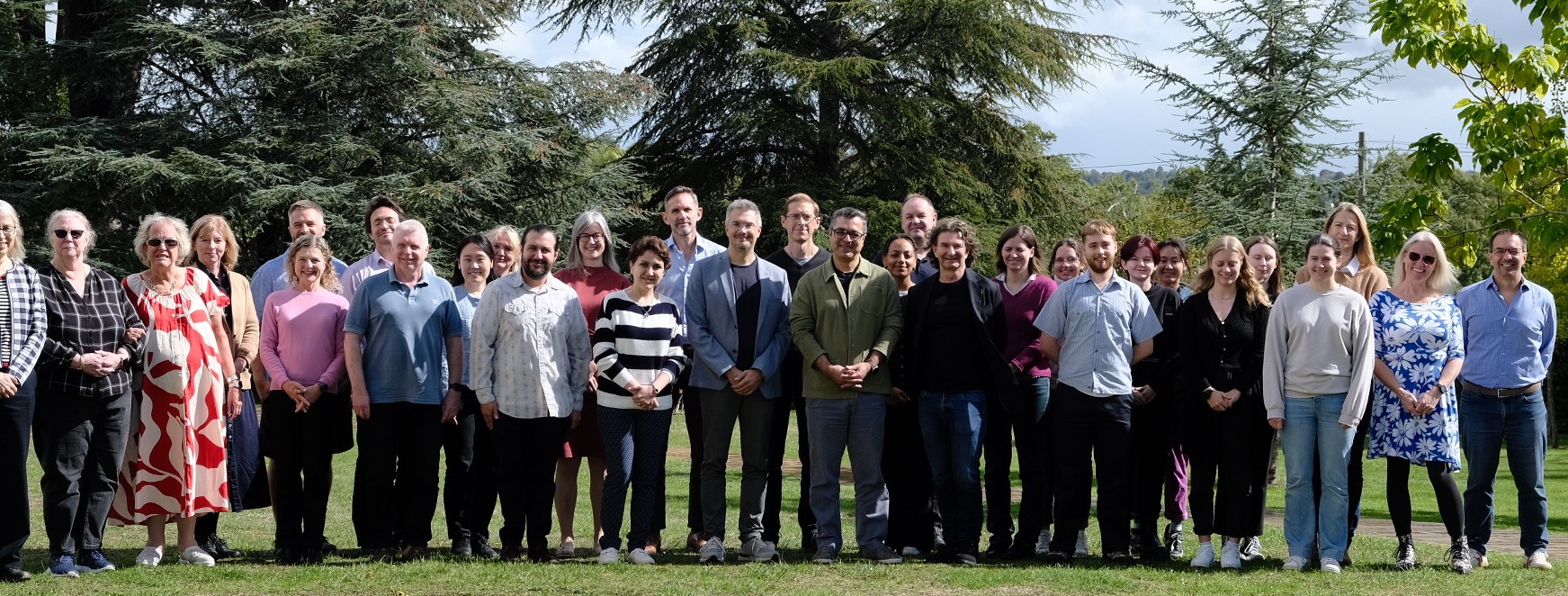
Around 1 in 2 people in the UK will be diagnosed with cancer in their lifetime, despite an estimated 40% of cancers being potentially preventable based on known risk factors. However, the evidence base around the carcinogenic role of modifiable lifestyle and environmental factors is largely observational and subject to bias. Further, global and temporal variation in cancer incidence and mortality suggest that new risk and prognostic factors are yet to be discovered.
The Integrative Cancer Epidemiology Partnership builds on a deep foundation of cancer epidemiology research, world-leading genomic and causal epidemiology expertise and strong international partnerships. We use cutting-edge statistical methods and genetic data (including data on gene products such as proteins, and chemical alterations to genes such as DNA methylation) on tens to hundreds of thousands of people to provide high quality evidence on:
- the causes of cancers
- factors influencing cancer progression
- new ways to predict who will develop or die from cancers
- new ways to prevent cancer and its progression, including behavioural and therapeutic interventions
Across our partnership, this knowledge will contribute towards new interventions to prevent, detect early and treat cancers, as well targeting prevention measures and treatments to those most at risk.