
Contemporary Aesthetic Composite Techniques
.JPG)
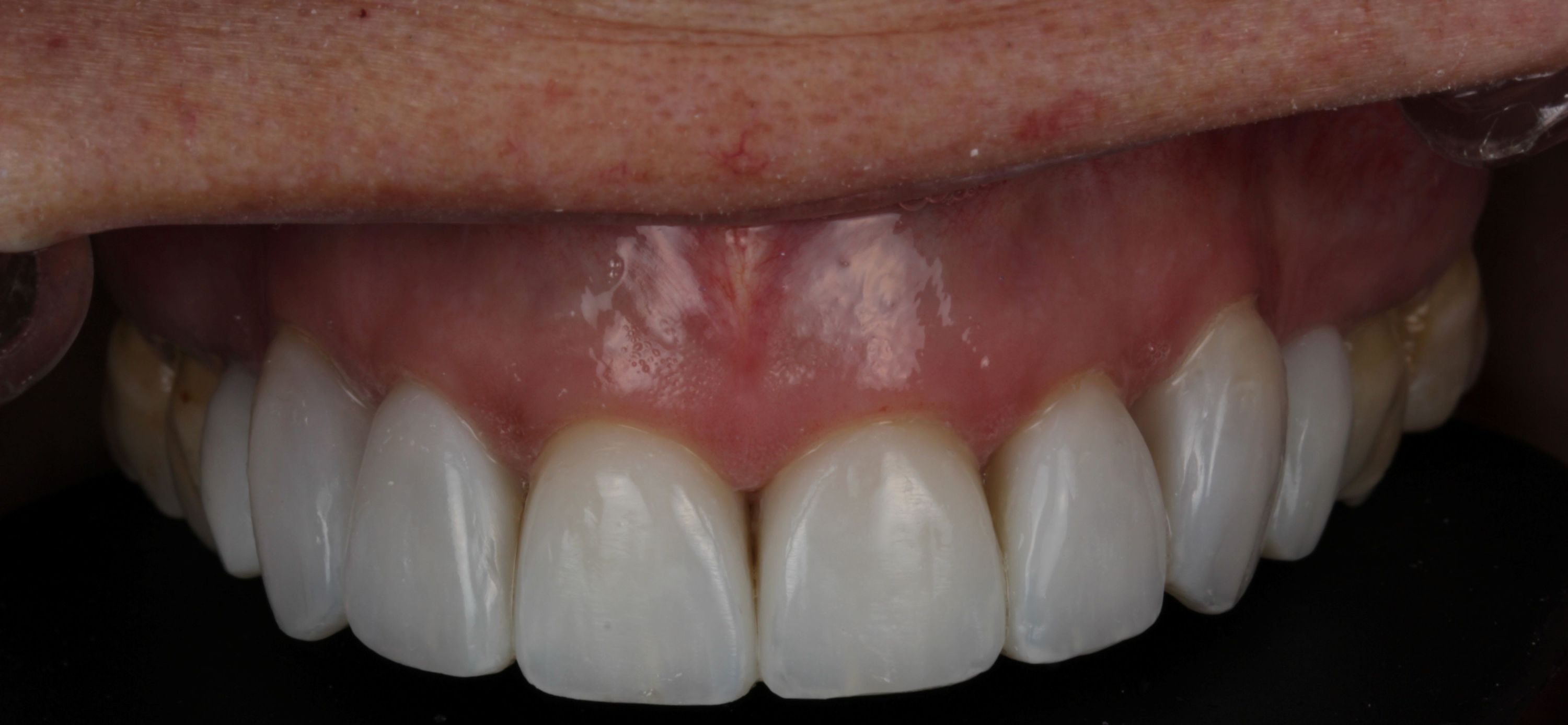
The course will outline and simplify layering and cutback techniques to enable delegates to provide highly aesthetic, natural looking restorations for their patients. It will focus on case selection, common difficulties and how to rectify them.
Course Information
Location: Bristol Dental School, 1 Trinity Quay, Avon Street, Bristol, BS2 0PT
Date: 20th July 2026
Time: Coffee and registration from 8:30am for a 9am start, finishing at 5pm
Cost per applicant: £450 (inclusive of lunch and refreshments)
Speakers: Dr Richard Brown (BDS Bristol)
CPD hours: 7 hours
Course requirements: No previous experience is required
For optimum engagement I would recommend delegates have an interest in creating natural looking restorations which either enhance or seamlessly blend with their patients existing teeth. Any dentist who has an interest in placing Class III or Class IV anterior restorations or is starting their aesthetic dentistry pathway with a case or two of veneer work under their belt, should find value in the content.
The course will not focus specifically on posterior composite technique but some of the material will be cross-applicable.
The composite used on the day will Venus Pearl by Heraus Kulzer, but advice can be provided on other brands if delegates use those.
By the end of this course, delegates should be able to:
- Assess patients' suitability for anterior composite restorations based on aesthetic demands, occlusion, parafunction and risk factors.
- Identify cases where additive vs cut-back techniques are indicated.
- Decide how many teeth to restore to achieve harmony, symmetry and patient expectations.
- Plan anterior composite cases using smile analysis, midline, incisal edge position and tooth proportions.
- Communicate effectively with patients about realistic outcomes, limitations and consent.
- Choose the appropriate restorative approach for single-tooth vs multi-tooth cases.
- Select appropriate composite shades using value, chroma and hue principles.
- Understand how enamel and dentine opacity affect final aesthetics.
- Record and map natural tooth characteristics (mamelons, translucency, halo effects, white spots).
- Build anterior composites using anatomical layering to mimic natural tooth structure.
- Apply the cut-back technique to create space for enamel and character layers.
- Recreate natural optical effects such as translucency, opalescence and incisal halo.
- Contour restorations to natural morphology and surface texture.
- Apply finishing and polishing protocols to enhance longevity and aesthetics.
- Assess restorations critically and adjust form and occlusion.
- Understand limitations, risks and common causes of failure in anterior composites.
- Document cases appropriately for medico-legal and audit purposes.
- Reflect on how to integrate these techniques into everyday practice.
Supported by Kulzer