Dr Les Strong, 1940-2026
Dr Les Strong, a lecturer and senior lecturer in Insect Biology at the University of Bristol from 1966 to 1999, passed away on 15 January. His former research collaborator, Professor Richard Wall, shares his recollections.
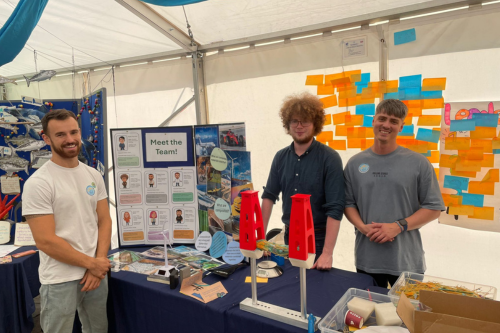
We’re inviting community organisations - such as wildlife trusts, community gardens and farms, local green charities, neighbourhood environment groups and eco‑education CICs - to co‑create research projects with our MSci students in Biology, Zoology and Plant Sciences.
Entry to the University of Bristol’s Botanic Garden will be donation only on weekdays throughout 2026 – with no fixed entry price.
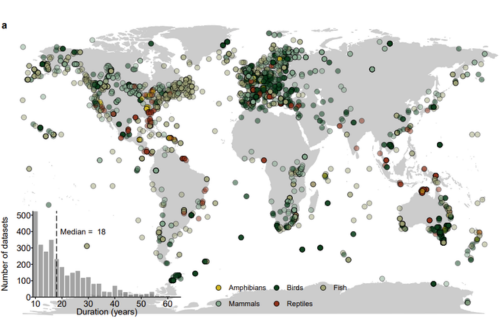
Efforts to stop declines in vertebrate wildlife populations should aim to address multiple threats simultaneously, rather than focusing on pressures one by one, a new study led by the University of Bristol has found.
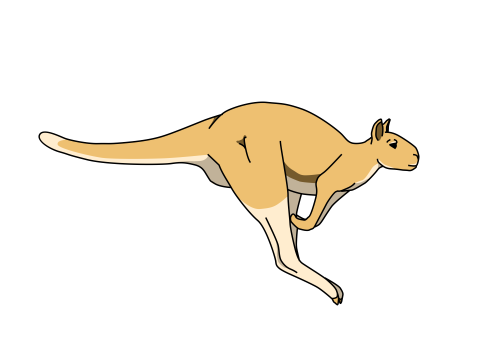
Scientists studying the fossil remains of giant prehistoric kangaroos have found that even animals weighing more than 200kg may not have been too big to bounce, overturning long-held assumptions about the limits of hopping.
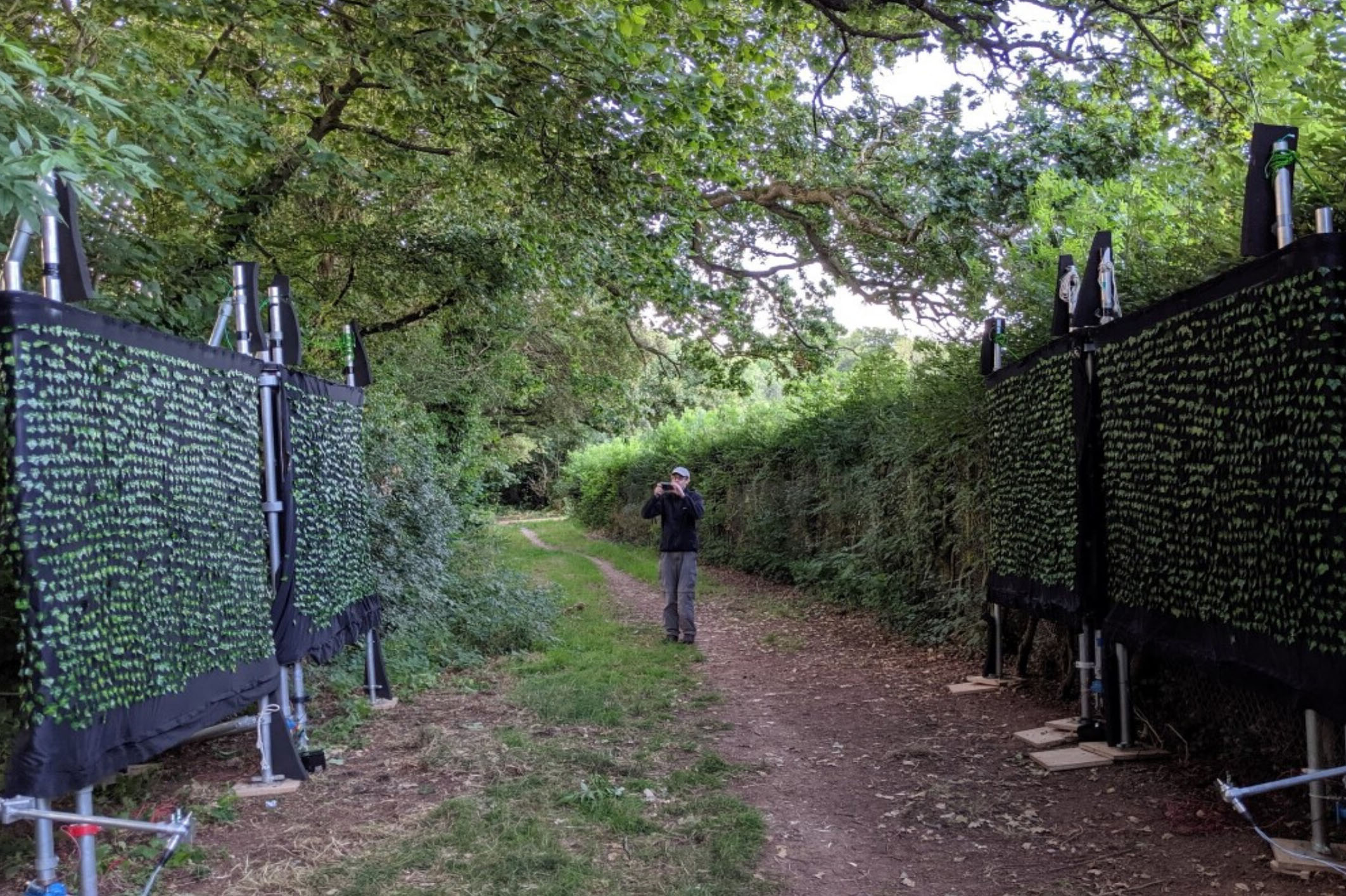
A long-standing mystery about how wild bats navigate complex environments in complete darkness with remarkable precision, has been solved in a new University of Bristol-led study. The findings are published today [21 January] in Proceedings of the Royal Society B.
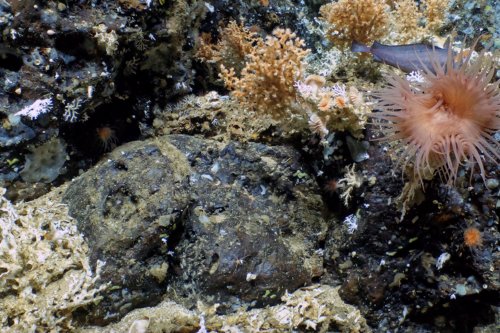
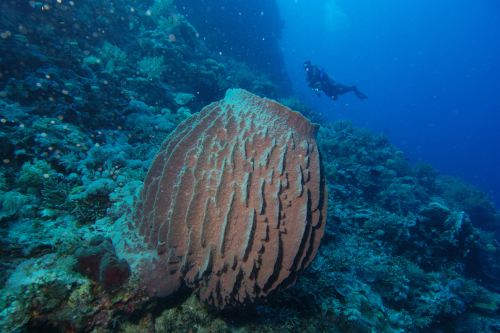
Sponges are among earth’s most ancient animals, but exactly when they evolved has long puzzled scientists. Genetic information from living sponges, as well as chemical signals from ancient rocks, suggest sponges evolved at least 650 million years ago.