
Research
-
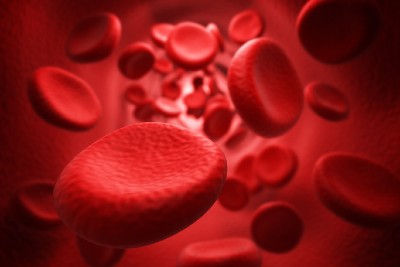 Researchers discover new blood group system - MAL
16 September 2024
The discovery of a new blood group, MAL, has solved a 50- year-old mystery. Researchers from NHS Blood and Transplant (Bristol), NHSBT’s International Blood Group Reference Laboratory (IBGRL) and the University of Bristol identified the genetic background of the previously known but mysterious AnWj blood group antigen. The findings allow identification and treatment of rare patients lacking this blood group.
Researchers discover new blood group system - MAL
16 September 2024
The discovery of a new blood group, MAL, has solved a 50- year-old mystery. Researchers from NHS Blood and Transplant (Bristol), NHSBT’s International Blood Group Reference Laboratory (IBGRL) and the University of Bristol identified the genetic background of the previously known but mysterious AnWj blood group antigen. The findings allow identification and treatment of rare patients lacking this blood group.
-
 New research reveals how El Nino caused the greatest ever mass extinction
12 September 2024
Mega ocean warming El Niño events were key in driving the largest extinction of life on planet Earth some 252 million years ago, according to new research.
New research reveals how El Nino caused the greatest ever mass extinction
12 September 2024
Mega ocean warming El Niño events were key in driving the largest extinction of life on planet Earth some 252 million years ago, according to new research.
-
 A new way forward for patients with a brain tumour
12 September 2024
A new landmark report, led by the University of Bristol researchers, highlights that access to genomic testing for patients with a brain tumour, is inequitable: it is estimated that fewer than 5 per cent of eligible adult patients with a brain tumour are accessing certain tests.
A new way forward for patients with a brain tumour
12 September 2024
A new landmark report, led by the University of Bristol researchers, highlights that access to genomic testing for patients with a brain tumour, is inequitable: it is estimated that fewer than 5 per cent of eligible adult patients with a brain tumour are accessing certain tests.
-
 Major milestone for University of Bristol’s new world-leading Enterprise Campus
12 September 2024
Work on the University of Bristol’s new Temple Quarter Enterprise Campus reaches an important milestone today [Thursday 12 September] as the structure of the main building is completed.
Major milestone for University of Bristol’s new world-leading Enterprise Campus
12 September 2024
Work on the University of Bristol’s new Temple Quarter Enterprise Campus reaches an important milestone today [Thursday 12 September] as the structure of the main building is completed.
-
 Good Grief Weston: a Festival of Love & Loss, returns this October
9 September 2024
Good Grief Weston, the festival of love and loss returns to the town in October [10 to 13] for its second edition. The event, which involves University of Bristol researchers, aims to open up conversations around death and bereavement, with honesty, compassion, joy and sometimes with humour.
Good Grief Weston: a Festival of Love & Loss, returns this October
9 September 2024
Good Grief Weston, the festival of love and loss returns to the town in October [10 to 13] for its second edition. The event, which involves University of Bristol researchers, aims to open up conversations around death and bereavement, with honesty, compassion, joy and sometimes with humour.
-
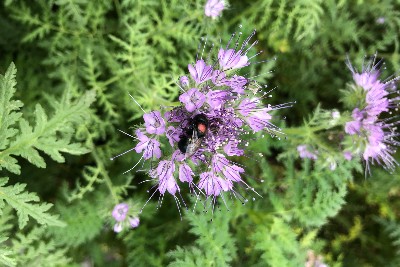 Replacement crop treatment not safe for important pollinator, experts say
6 September 2024
A novel pesticide thought to be a potential successor to banned neonicotinoids caused 100% mortality in mason bees in a recent test.
Replacement crop treatment not safe for important pollinator, experts say
6 September 2024
A novel pesticide thought to be a potential successor to banned neonicotinoids caused 100% mortality in mason bees in a recent test.
-
 Pioneering report exposes worsening health threats of climate change in UK
5 September 2024
A new report has revealed for the first time the wide-ranging and increasing health dangers posed by long-term weather extremes in the UK, as the effects of climate change deepen.
Pioneering report exposes worsening health threats of climate change in UK
5 September 2024
A new report has revealed for the first time the wide-ranging and increasing health dangers posed by long-term weather extremes in the UK, as the effects of climate change deepen.
-
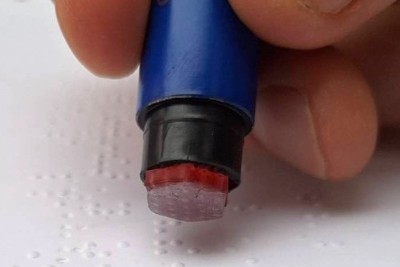 A sensory pen which can read Braille could improve literacy amongst the visually impaired
4 September 2024
A pen which can transform Braille into English text has been developed by experts at the University of Bristol.
A sensory pen which can read Braille could improve literacy amongst the visually impaired
4 September 2024
A pen which can transform Braille into English text has been developed by experts at the University of Bristol.
-
 Research reveals huge volume of sports gambling advertising on social media in U.S.
3 September 2024
Sports fans are being bombarded daily with gambling advertising via social media in the United States – and the majority of ads could be in breach of regulations, according to a new study.
Research reveals huge volume of sports gambling advertising on social media in U.S.
3 September 2024
Sports fans are being bombarded daily with gambling advertising via social media in the United States – and the majority of ads could be in breach of regulations, according to a new study.
-
 Better modelling initiative aims to improve UK flood resilience
2 September 2024
A new project co-led by the University of Bristol, aims to improve future flood adaptation measures in the UK, providing better-targeted protection against the impact of climate change.
Better modelling initiative aims to improve UK flood resilience
2 September 2024
A new project co-led by the University of Bristol, aims to improve future flood adaptation measures in the UK, providing better-targeted protection against the impact of climate change.
Events 
View the events calendar for public events and lectures run by the University.