Translational Health Sciences

New discovery could reverse tissue damage caused by heart attacks

A new discovery by University of Bristol scientists helps to explain how cells which surround blood vessels, called pericytes, stimulate new blood vessels to grow with the hormone ‘leptin’ playing a key role. Leptin is produced by fat cells which helps to regulate energy balance in the body by inhibiting the appetite. This study, described in Scientific Reports, may have important implications for the treatment of heart attacks and also for cancer, the two main killers in the UK.
Common blood pressure drug does not slow down the progression of more advanced Alzheimer’s

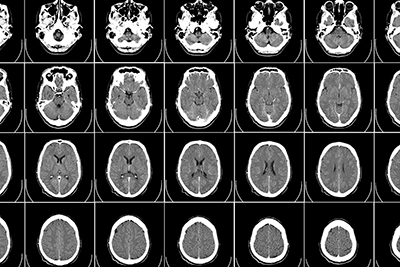
New research led by the University of Bristol, has shown the drug losartan, normally used to treat high blood pressure (hypertension), is not effective in slowing down the progression of Alzheimer’s disease (AD) in people with mild-to-moderate disease after 12 months of treatment. However, the drug could still be of benefit if prescribed for longer and if given to people with very early disease. The findings are from the phase 2 multi-centre clinical trial known as RADAR ((Reducing pathology in Alzheimer’s Disease through Angiotensin taRgeting).