Translational Health Sciences

Simple clinical tool can help diagnose spinal fractures in people with osteoporosis

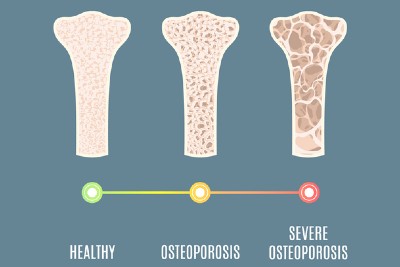
Only one in three patients are diagnosed with broken bones in the back due to osteoporosis. One reason is that medical staff find it difficult to know who should have a back X-ray. To help address this important diagnostic care gap, academics at the University of Bristol have developed an online clinical checklist called Vfrac, to assist medical staff spot vertebral fractures that might otherwise have been missed.


No difference between spinal versus general anaesthesia in patients having hip fracture surgery, finds study

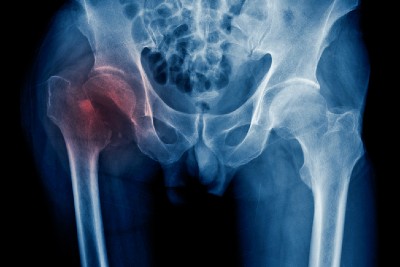
There are no differences in the safety or effectiveness of the two most common types of anaesthetic (spinal versus general anaesthesia) in patients undergoing hip fracture surgery, according to the findings of a new study led by the University of Bristol in collaboration with University of Warwick researchers. The findings, published in the British Journal of Anaesthesia, analysed previously published data on nearly 4,000 hip fracture patients.

Knee replacement surgery decreased after NHS policies on a patient’s weight were introduced, worsening health inequalities, study finds

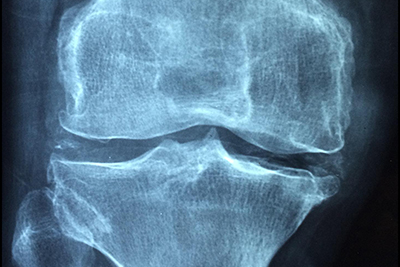
New research has found that weight/body mass index (BMI) policies introduced by NHS commissioning groups in England are associated with a decrease in knee replacement surgery and may be contributing to health inequalities. With one in ten people likely to need a knee replacement, many thousands of patients are directly affected by these policies.

People from low socioeconomic backgrounds could reduce chronic kidney disease risk with regular exercise, study suggests

New research has found people from lower socioeconomic backgrounds who regularly exercise could substantially reduce their risk of chronic kidney disease. Chronic kidney disease is linked to poor quality of life and an increased risk of death. Its treatment is also associated with high healthcare costs, with diabetes and high blood pressure major factors that contribute to the disease.