
Human-made noise impacts dolphins working together, reveals new study
Dolphins working collaboratively are less successful in the presence of sound generated by humans, a University of Bristol-led team of researchers have shown.
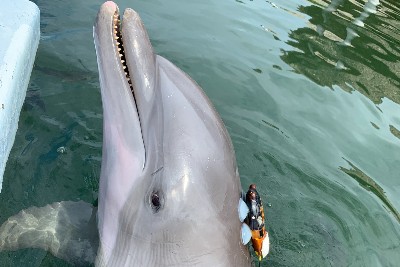
Dolphins working collaboratively are less successful in the presence of sound generated by humans, a University of Bristol-led team of researchers have shown.
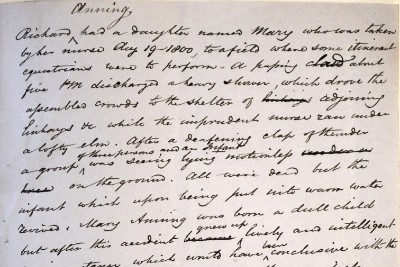
A short biography of pioneering scientist Mary Anning, written in the final ten years of her life, has been made public for the very first time.

Research led by the University of Bristol shedding new light on how arsenic can be made less dangerous to humans has the potential to dramatically improve water and food safety, especially in the Global South.

A University of Bristol palaeontologist is among 25 medal and award winners announced by the Royal Society today [Wednesday 28 August].
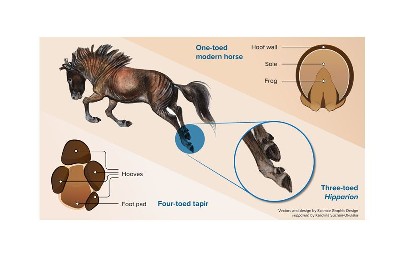
The distant ancestors of modern horses had hooved toes instead of a single hoof, which vanished over time, according to researchers.
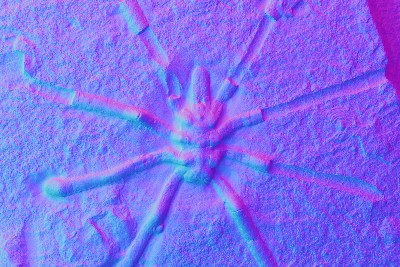
An extremely rare collection of 160-million-year-old sea spider fossils from Southern France are closely related to living species, unlike older fossils of their kind.
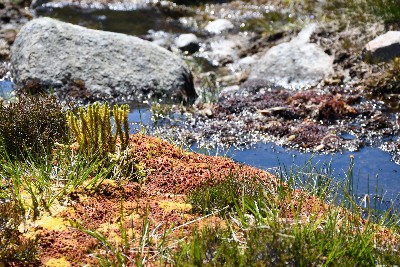
A new study has uncovered intriguing insights into the evolution of plant biology, effectively rewriting the history of how they evolved over the past billion years.

A remarkable new fossil from China reveals for the first time that a group of reptiles were already using whale-like filter feeding 250 million years ago.
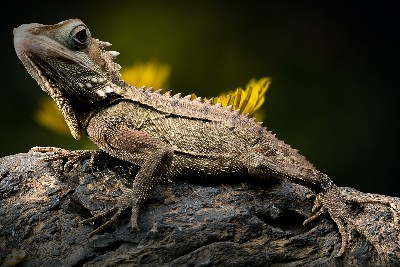
The earliest reptiles, birds and mammals may have borne live young, researchers from Nanjing University and University of Bristol have revealed.
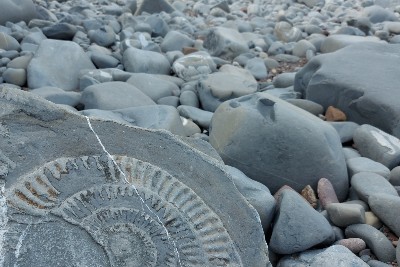
Evidence from past extinctions cannot be used as a definitive way of predicting future biodiversity loss, scientists have found by using AI.