
Secrets of 250 million-year-old ‘Elgin Marvel’ fossil unlocked for first time
Details of an ancient cousin of modern-day mammals have been revealed by modern imaging technology.
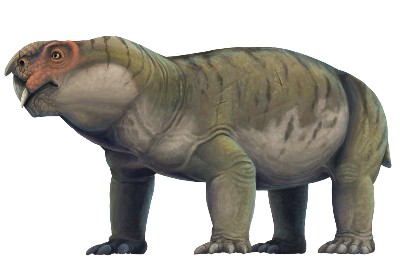
Details of an ancient cousin of modern-day mammals have been revealed by modern imaging technology.
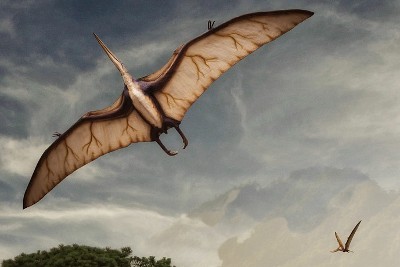
The pterosaur likely used all four limbs to propel itself in the air, as seen in bats today, researchers have found.
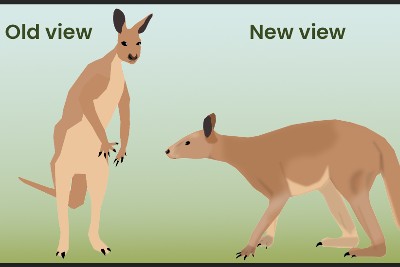
A type of extinct kangaroo that lived during the Pleistocene around two and a half million to ten thousand years ago, known as the ‘giant wallaby’, was a poor hopper, a study by scientists at the University of Bristol have found.
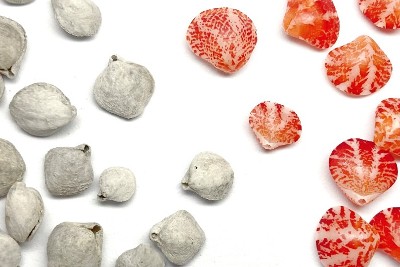
Brachiopods were evolving in new directions but this did not turn into evolutionary success in terms of the numbers of species, researchers at the University of Bristol, the Open University, and the China University of Geosciences have found.
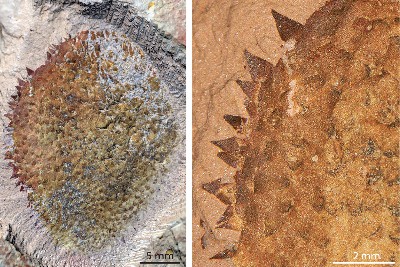
A team of researchers including scientists from the University of Oxford and the University of Bristol have made an astonishing discovery of a new species of mollusc that lived 500 million years ago. The new fossil, called Shishania aculeata*, reveals that the most primitive molluscs were flat, shell-less slugs covered in a protective spiny armour. The findings have been published today in the journal Science.
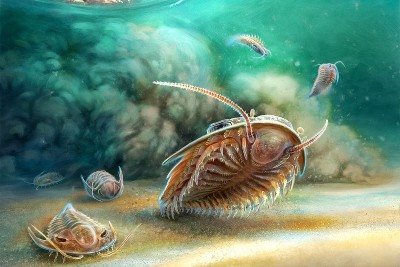
Some of the most perfectly preserved trilobite fossils ever found have revealed details of the extinct arthropod unknown until now.
 (2).jpg)
Ammonites were not in decline before their extinction, scientists have found.
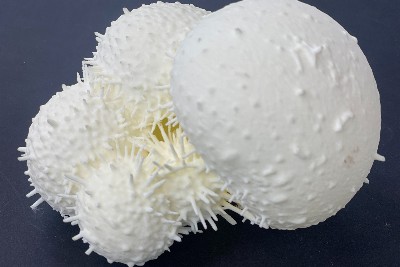
A new study highlights how some marine life could face extinction over the next century, if human-induced global warming worsens.
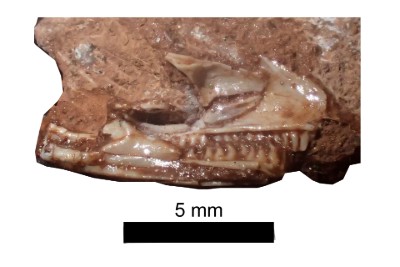
A storeroom specimen that changed the origins of modern lizards by millions of years has had its identity confirmed.
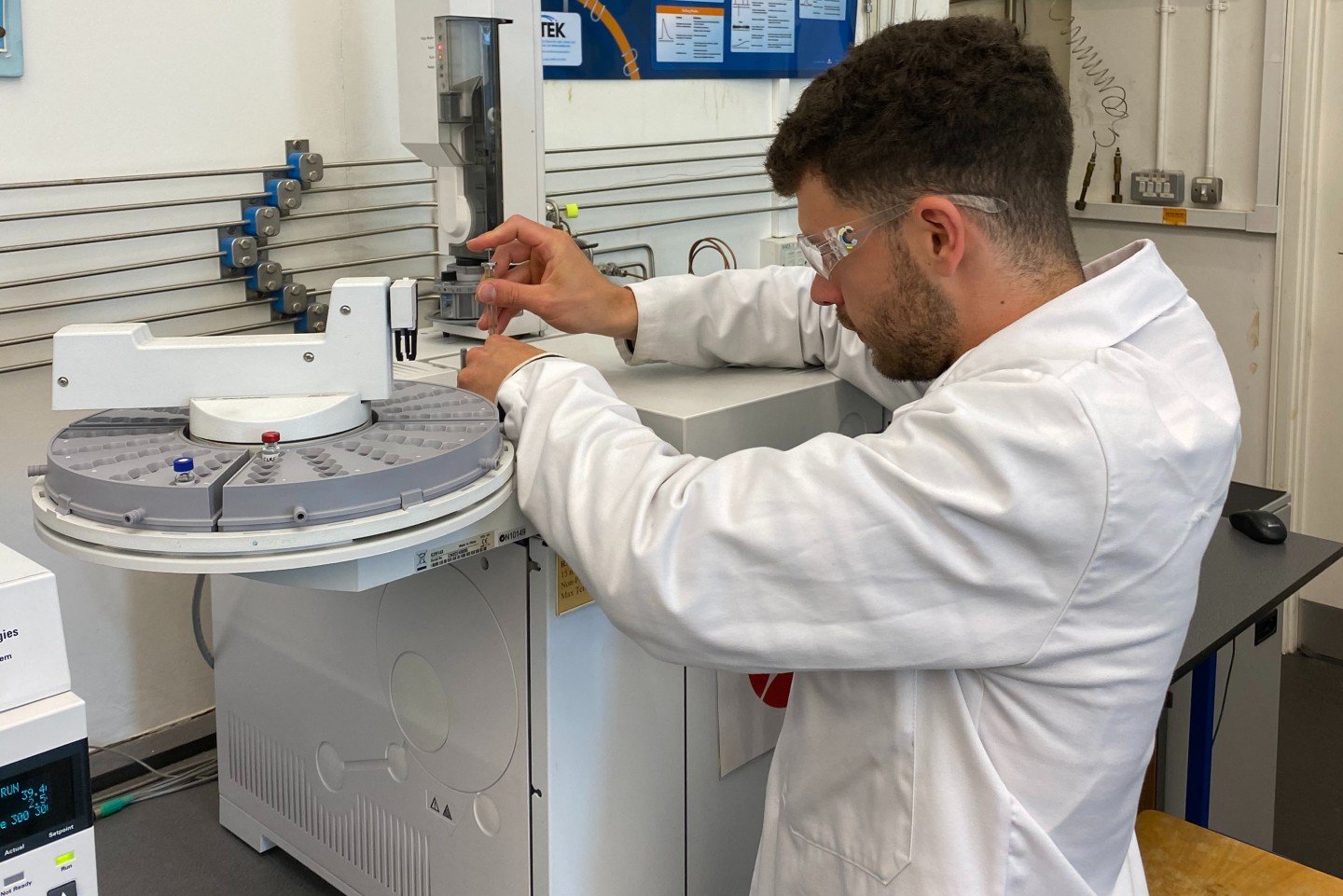
The University of Bristol has received a £1million grant from the UKRI Arts and Humanities Research Council (AHRC) to establish a new Centre for Chemical Characterisation in Heritage Sciences – an initiative that will span Arts, Chemistry and Earth Sciences.